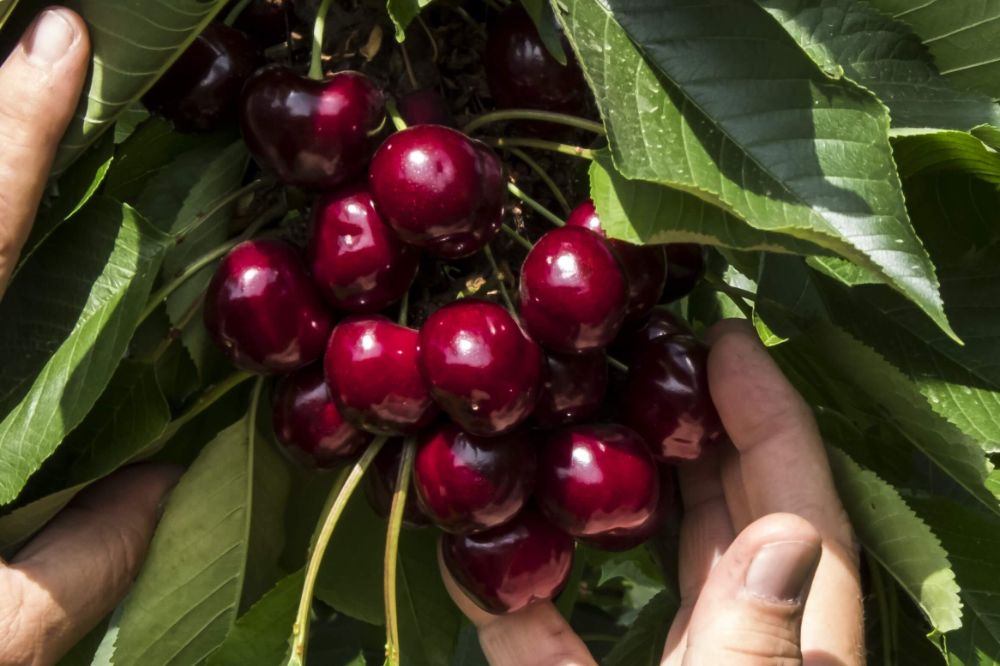
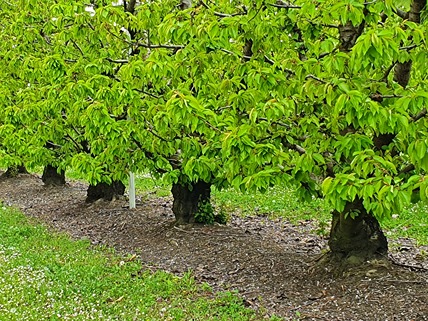
A new agrivoltaic project is taking shape in the heart of Switzerland, in Leuggern, Canton Aargau: 1,300 solar panels will be installed over a cherry orchard with the goal of protecting crops, dynamically managing light, and producing renewable energy.
A virtuous model that combines agriculture and ecological transition.
A cherry-friendly installation
The initiative is the result of a collaboration between Energie360°, a Swiss sustainable energy provider, and Insolight, a company specializing in advanced solar technologies.
On the farmland managed by growers Rudolf Obrist and Hansjörg Erne, a 12,000-square-meter agrivoltaic system will be built using next-generation photovoltaic panels produced by China-based DAS Solar.
Each module will have a nominal power of 600 watts, with an estimated annual output of 800 MWh—enough to power around 180 households.
The panels, mounted nearly 3 meters above the ground, will ensure easy passage for agricultural machinery, maintaining full operability of the orchard.
"Insolagrin" technology: protection and efficiency
The core innovation lies in the patented "insolagrin" system developed by Insolight: a durable, flexible plastic cover designed to open and close based on weather conditions and the light needs of the plants.
This system not only regulates solar exposure but also offers effective protection against extreme weather events such as hail, heavy rainfall, heatwaves, and spring frosts.
The stainless steel structure is also suitable for other sensitive crops such as strawberries, raspberries, and blueberries.
According to the two farmers, the system significantly reduces the need for plant protection products and improves production resilience.
Clean energy for the Swiss grid
All the energy generated will be purchased by Energie360° and fed into the public grid as part of a Swiss government-backed tender.
Construction is scheduled to begin in the summer.
The Leuggern project is a showcase example of virtuous integration between agriculture and renewable energy sources.
A replicable model that looks to the future of European fruit growing, combining innovation, sustainability, and crop protection in an era of increasing climate pressure.
Source: pv-magazine.com
Image source: Insolight
Cherry Times - All rights reserved