The global loss of biodiversity is also driven by the introduction of species outside their native range.
This introduction, whether intentional or accidental, can trigger a true invasion process consisting of several successive stages: transport, introduction, naturalization, and spread.
An exotic species is considered naturalized when it is able to maintain self-sustaining populations without expanding beyond the initial area of introduction.
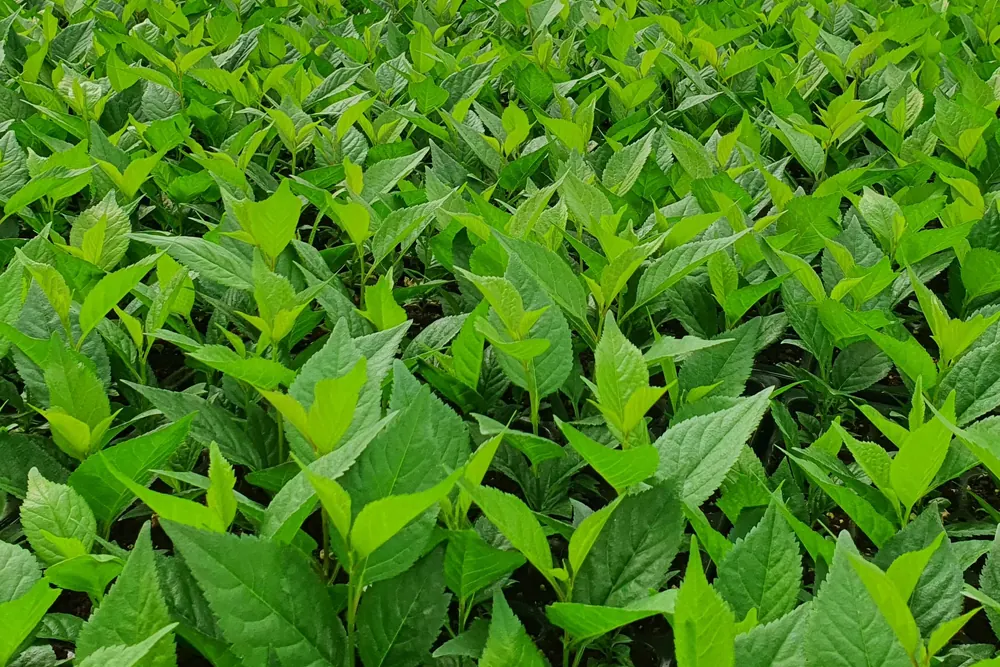
In ecology, the set of processes that enables the transition from seeds to successfully established seedlings of a species in a new environment is referred to as recruitment.
Invasion process
Recruitment largely determines the success of naturalization, since species must overcome numerous biotic and abiotic filters imposed by the recipient community throughout this process.
A study was conducted to investigate the recruitment of fleshy-fruited exotic species in the Andean-Patagonian temperate forest, assessing the effects of four critical stages: pre-dispersal seed predation, frugivory, post-dispersal seed predation, and seedling survival.
The objective was to understand how these filters influence species representation within the community and to what extent plant functional traits determine success at different stages of recruitment.
The results showed that community composition changes throughout the recruitment process. In particular, the dominant species, such as Aristotelia chilensis (Patagonian blueberry), became progressively underrepresented, thereby promoting an increase in plant diversity.
Functional traits
Species responses to the different filters were partly determined by their functional traits, which could confer either advantages or disadvantages depending on the stage considered.
Among all the traits examined, seed size emerged as the most influential factor, affecting most phases of the process.
Heavier seeds exhibited different effects depending on the ecological interaction involved. Pre-dispersal predators tended to become satiated when fruits contained larger seeds, proportionally reducing seed losses.
In contrast, granivores showed a preference for large native seeds. Furthermore, seedlings originating from large seeds had a higher probability of survival in open and exposed sites, suggesting a competitive advantage under harsher environmental conditions.
Species responses
The integration of exotic species into the community was therefore strongly influenced by both their functional traits and environmental conditions.
For example, Rubus idaeus (raspberry) exhibited low levels of pre-dispersal predation and bird consumption when growing in areas with high fruit availability. This reduced interaction with dispersers resulted in limited seedling emergence.
Conversely, Prunus cerasus (sweet cherry) produces seeds that are much larger than those of native species and are not consumed by the small rodents present in the community, thereby reducing a potential barrier to recruitment.
Sorbus aucuparia (mountain ash) displayed a different strategy: its broad, thin leaves promoted recruitment mainly in wetter habitats.
Ecological filters
By analyzing the entire process, from fruits on the parent plant to established seedlings, the study identified the stages most sensitive to invasion.
While fruits remain on the plant, they must simultaneously attract frugivorous birds and avoid predation. After dispersal, seed consumption by rodents depends on both resource attractiveness and environmental conditions.
Although rodents were expected to prefer the seeds of P. cerasus, their relatively low abundance during the naturalization phase and reduced rodent activity in open areas may limit seed detection and consumption.
Overall, the study demonstrates that exotic species possessing functional traits that differ from those of native species, such as larger seeds or higher specific leaf area, are more likely to overcome ecological filters, occupy available niches, and advance through the invasion process.
Among the species examined, Prunus cerasus appears to pose the greatest risk of invasion, primarily because of the characteristics associated with its large seed size.
Source: https://rdi.uncoma.edu.ar/handle/uncomaid/19196
Image source: Stefano Lugli
Melissa Venturi
Ph.D. in Agricultural, Environmental, and Food Sciences and Technologies – Fruit Tree Physiology and Cultivation - Bologna, Italy
Cherry Times - All rights reserved