Few crops reflect the complexity of agriculture as clearly as the cherry. Its short commercial window, high sensitivity to climatic fluctuations and demanding agronomic requirements make it a particularly challenging crop to manage, but also one of the most appreciated by consumers.
El Ciruelo has included cherries in its product range for several years. However, it was only from last season that the company began developing its own in-house production, thereby strengthening its position in this segment and consolidating its focus on highly specialised crops.
A crop with high climate sensitivity
Compared with other stone fruits, cherries are particularly dependent on weather conditions during key stages of the production cycle. To properly break dormancy, the tree requires an accumulation of between 300 and 1,000 winter chill hours, with temperatures below 7°C. This requirement directly affects the choice of growing areas.
The crop also requires temperate climates, warm summers with indicative temperatures between 18 and 28°C, and well-drained soils, all essential elements for supporting the balanced development of both the tree and the fruit. Agronomic management is made even more complex by the crop’s vulnerability to late frosts, especially during flowering.
Rainfall during these stages can hinder pollination and compromise fruit set. For this reason, cherries require constant monitoring and timely technical interventions throughout the season. It is precisely this combination of factors that places cherries among the most specialised crops in the entire stone fruit sector.
The decisive role of the growing area
In the case of cherries, the growing environment is not a detail, but a determining condition. Altitude, temperature variation and the availability of chill hours are all factors that guide the location of orchards and the choice of varieties.
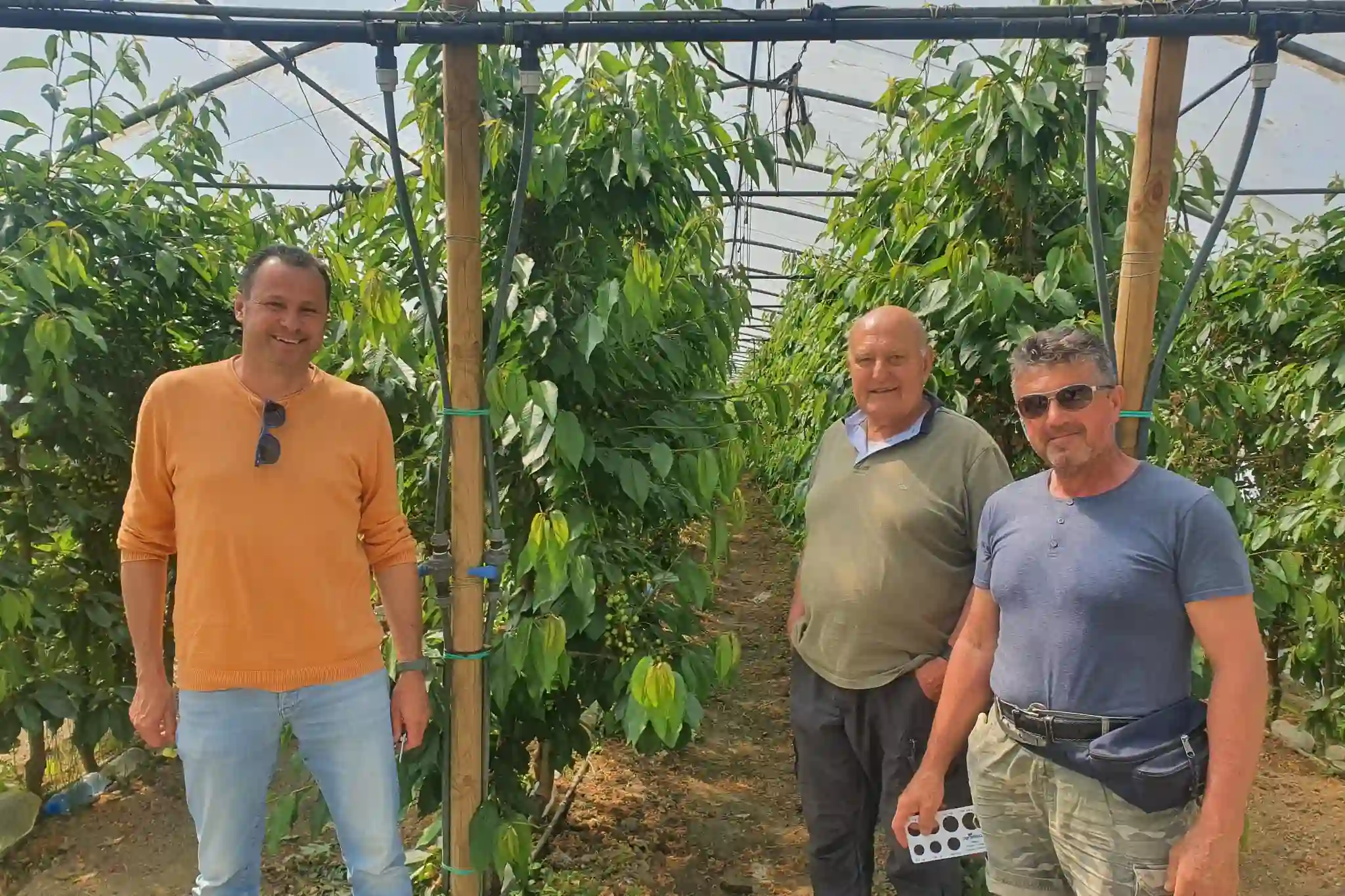
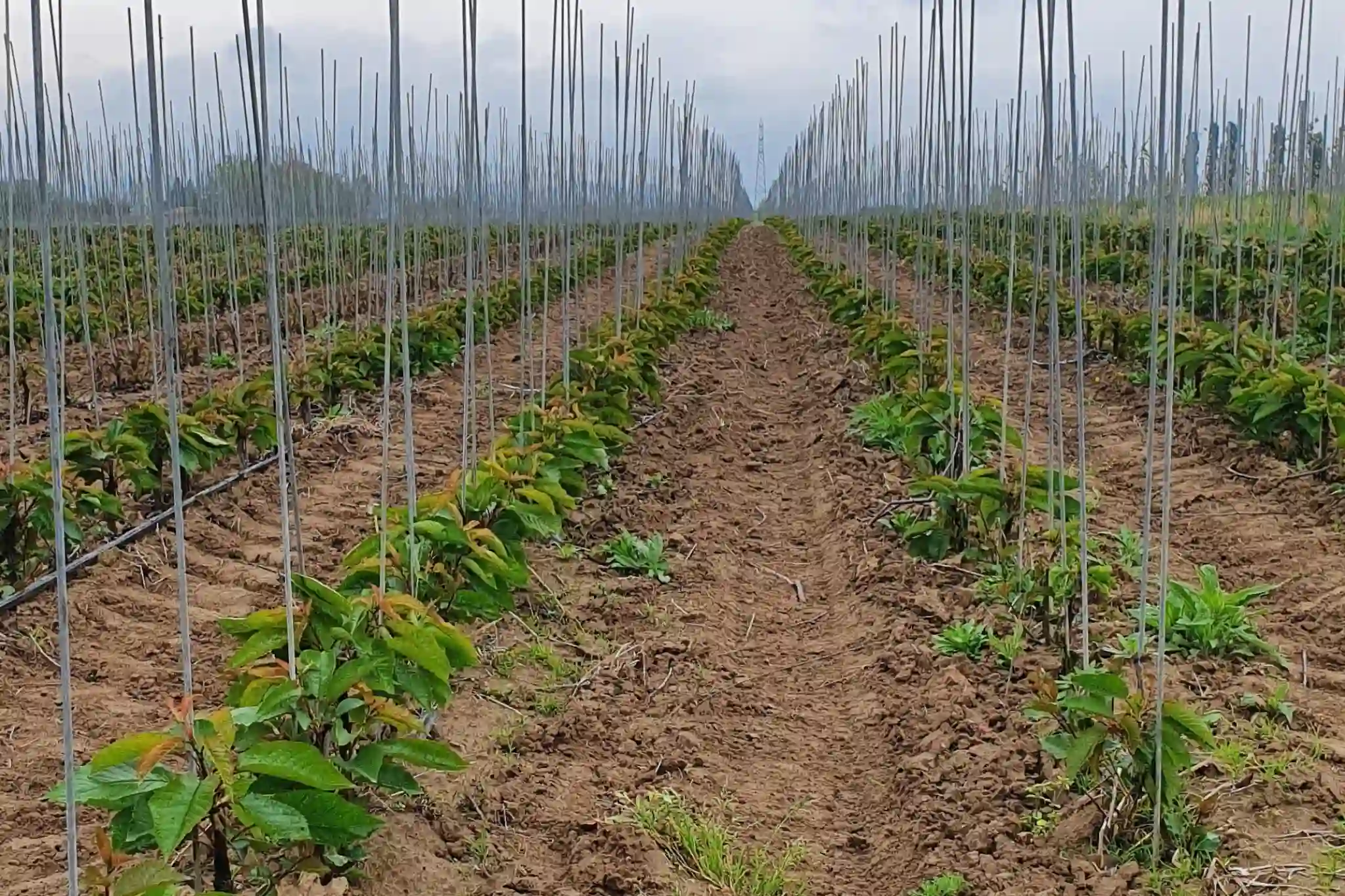
With this in mind, El Ciruelo has focused on farms located in areas such as Cancarix, where the soil and climate conditions make it possible to develop different varieties throughout the season. The launch of in-house production also enables the company to improve control over the crop cycle and plan its commercial offer with greater precision.
In a scenario shaped by climate change, this specialisation takes on even greater importance. The progressive reduction in chill hours in some areas is in fact encouraging the relocation of cherry cultivation towards more suitable zones, a trend affecting the entire sector.
Small in size, high in value
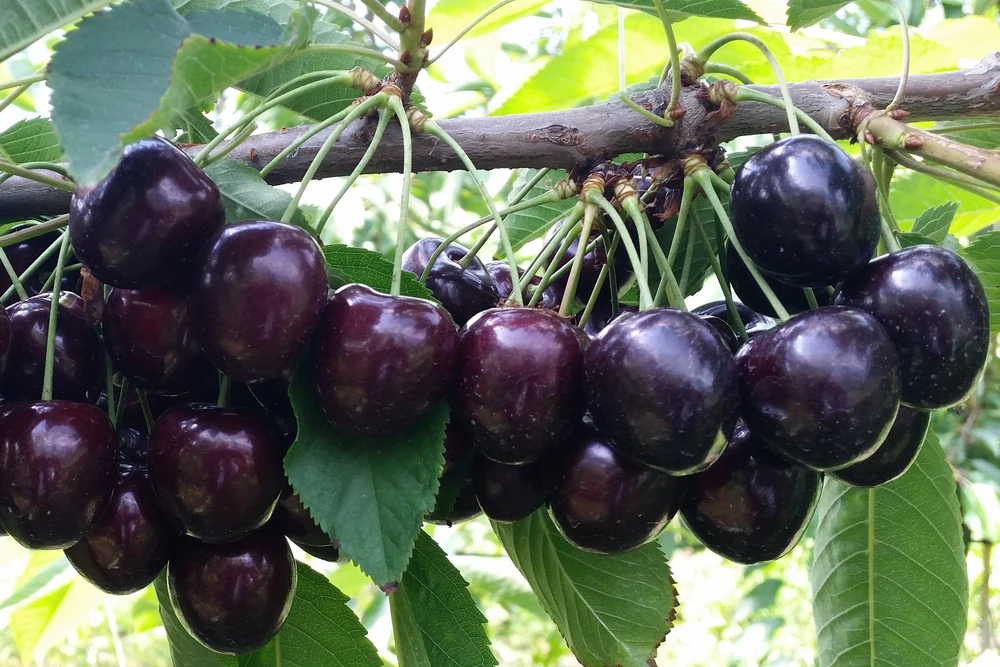
In addition to its production complexity, the cherry also stands out for its nutritional profile. It is a fruit rich in antioxidants, particularly anthocyanins, compounds associated with anti-inflammatory properties and benefits for cardiovascular health.
Cherry consumption is also linked to positive effects on digestive, bone and skin health. These characteristics strengthen the product’s positioning within contemporary trends related to healthy eating, wellbeing and naturalness.
A short season that increases perceived value
One of the defining features of cherries is their strong seasonality. In Spain, market availability is generally concentrated between mid-May and mid-June, with variations depending on the production area and the varieties grown.
This very short commercial window makes cherries a fruit closely tied to a specific moment in the season. Speed in harvesting, timely marketing and attention to quality therefore become decisive factors in preserving their characteristics.
At the same time, this limited period of availability helps increase the fruit’s exclusivity and perceived value among consumers. For El Ciruelo, investing in cherries therefore means overseeing a complex crop, but one capable of expressing strong potential in terms of quality, specialisation and distinctiveness on the market.
Source: revistamercados.com
Image source: Stefano Lugli
Cherry Times - All rights reserved