Low temperatures are delaying the harvest, but quality remains promising. Meanwhile, initiatives to reduce waste of “imperfect” fruit are growing.
Out-of-season frost is slowing the start of the cherry harvest in central Victoria, just as the peak Christmas demand period approaches. Early varieties, which would normally be available by now, are running at least two weeks late, complicating growers’ planning.
Cold weather delays ripening
Colin Pickering, owner of Blackwood Orchard near Harcourt North, explains that recent cold blasts from Antarctica have lowered temperatures, slowing the plants’ growth cycle. “By now we would normally have harvested our first variety,” he says, “but this year the ‘merchants’, which are among the earliest to ripen, are only just coming on.”
Cherry ripening depends heavily on climate: “We need stable days around 30 degrees and nights above 10 to really get the ripening going. But when night temperatures drop to 5 degrees, everything stops.”
Another effect of the cold is the overlap of ripening among different varieties, which makes fieldwork more intensive and harder to manage.
Australia aims to grow
Victoria produces around 4,500 tonnes of cherries each year, ranking behind Tasmania, currently the leading producing region. But ambitions are high: according to Cherry Growers Australia, national production is expected to rise from the current 20,000 tonnes to around 30,000 by 2030.
Despite local delays, Penny Measham, CEO of Cherry Growers Australia, reassures that the overall season is progressing well: “Across Australia conditions are favourable. The harvest will be slightly delayed, but of excellent quality and with consistent supply throughout the season.”
Imperfect but delicious cherries
Alongside climatic challenges, the sector is also facing an important sustainability issue: every year hundreds of thousands of kilos of cherries are discarded by supermarkets due to minor cosmetic defects.
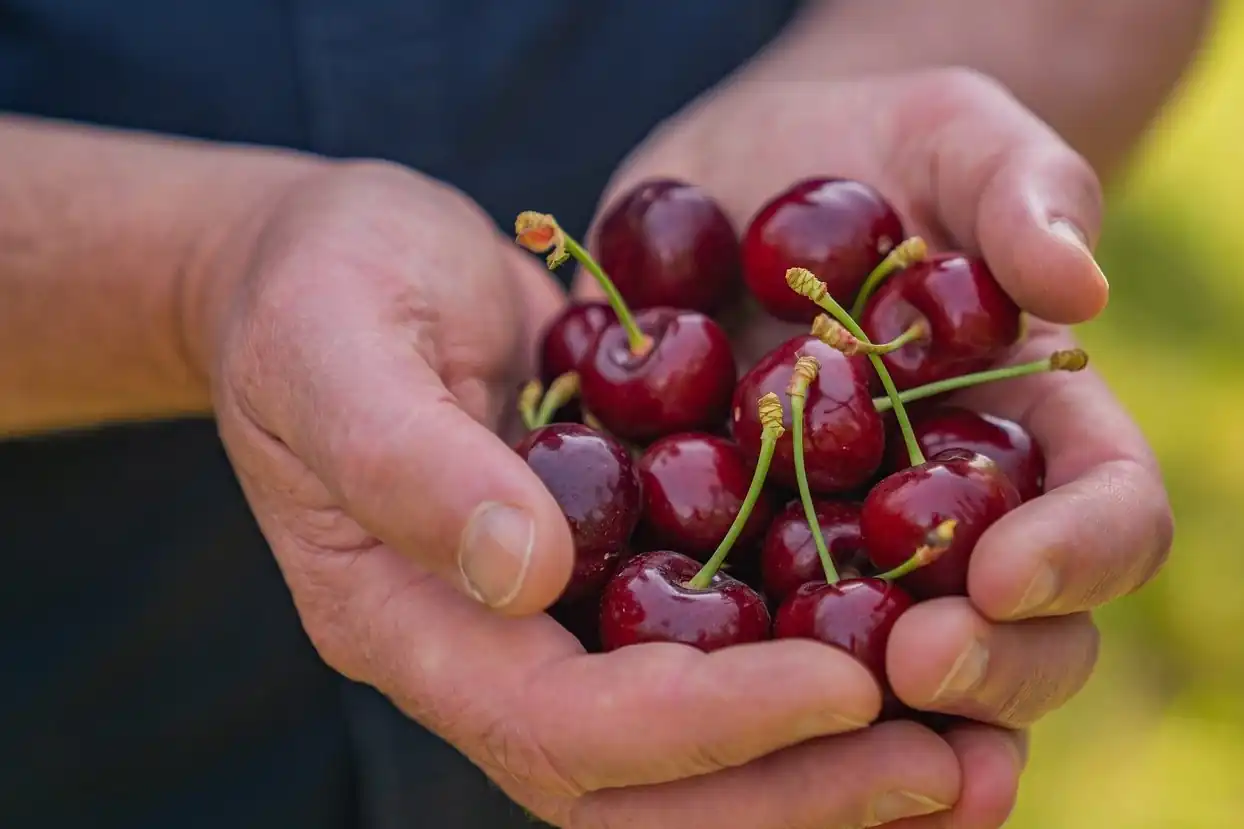
To tackle this waste, the food box company Farmers Pick has launched a new alternative distribution network, recovering fruit that would otherwise be thrown away. Co-founder Josh Ball said he has saved 140,000 kilos of cherries in this season alone. “Many are rejected simply because they’re too small, not red enough, or missing the stem. Sometimes they come in pairs joined together, but the flavour is always great.”
Ball highlights that before this project, growers had no real alternatives for selling fruit rejected by major retailers.
A look to the future
The combination of climate adaptation, smart varietal management and innovation across the supply chain is key to ensuring competitiveness and sustainability for Australia’s cherry sector. Despite the cold, the season looks positive, and “imperfect” cherries are finally beginning to get a second chance.
Source: abc.net.au
Image source: Koala Cherries
Cherry Times - All rights reserved