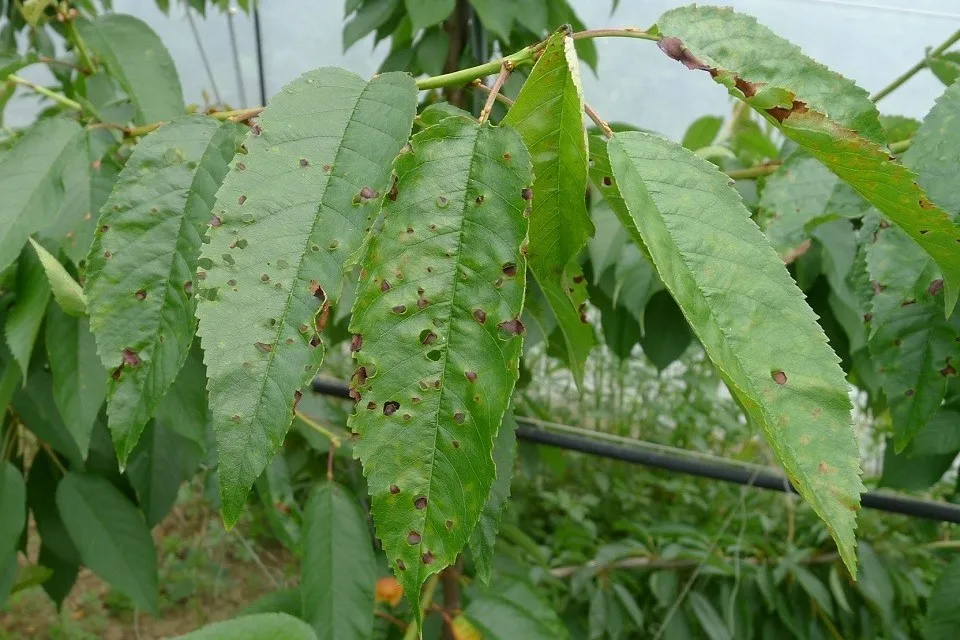
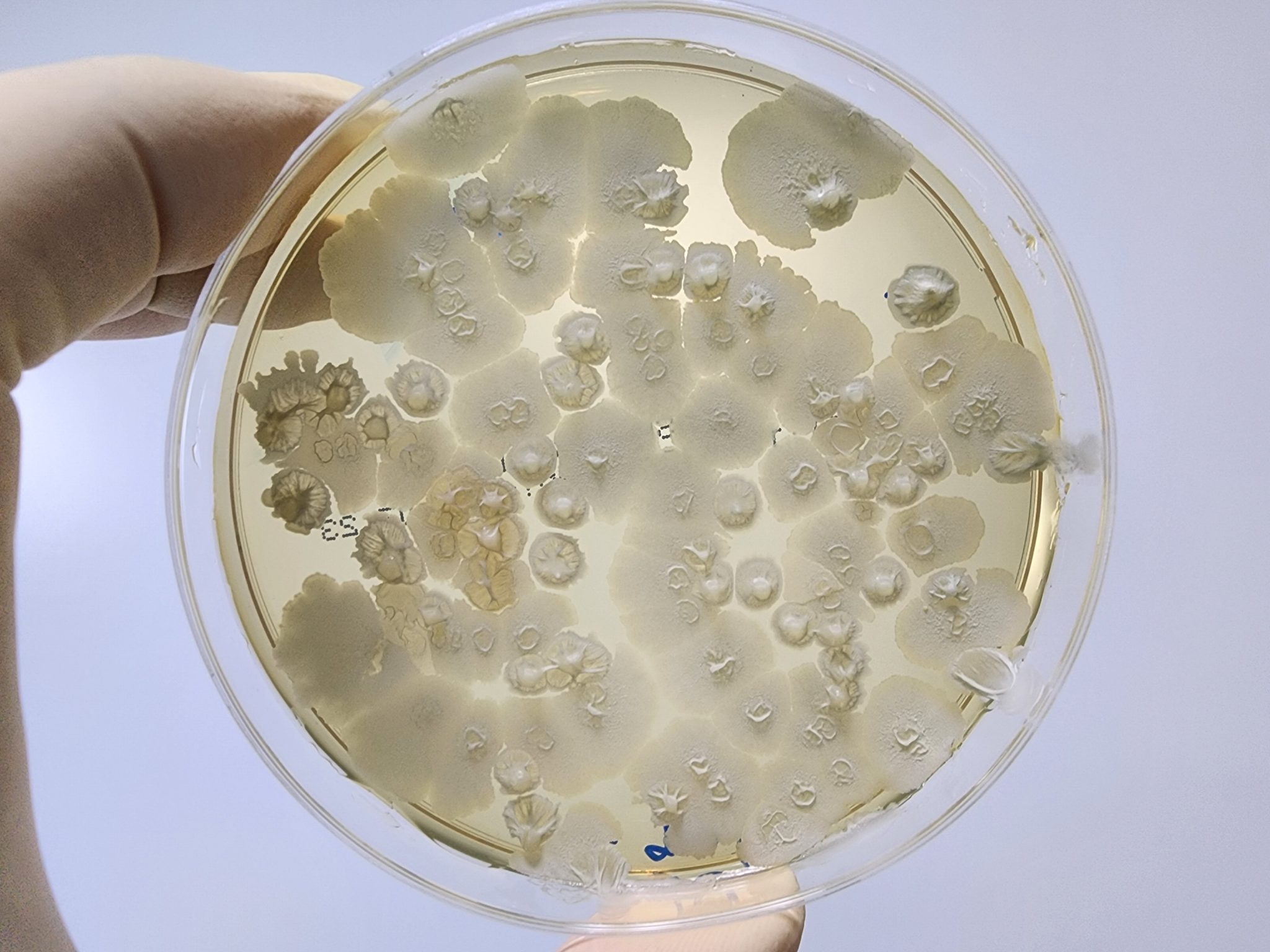
A new five-year initiative marks the beginning of a collaboration between the sectors of cherries and summerfruit in Australia, aiming to raise the level of on-farm biosecurity practices and address pest threats and exotic diseases more effectively.
Hort Innovation has officially launched a new project designed to revolutionise the approach to biosecurity for cherry and summerfruit growers. The collaboration introduces a dedicated role that will provide ongoing, practical support to farmers, acting as a direct point of contact in case of biosecurity emergencies and regulatory updates.
Operational and strategic support
The new role will be crucial in strengthening prevention measures and response to exotic pest incursions, as well as assisting in planning the post-incursion recovery phase. In addition, growers will receive sector-specific guidance along with timely assistance in managing access to crop-protection products and complying with current protocols.
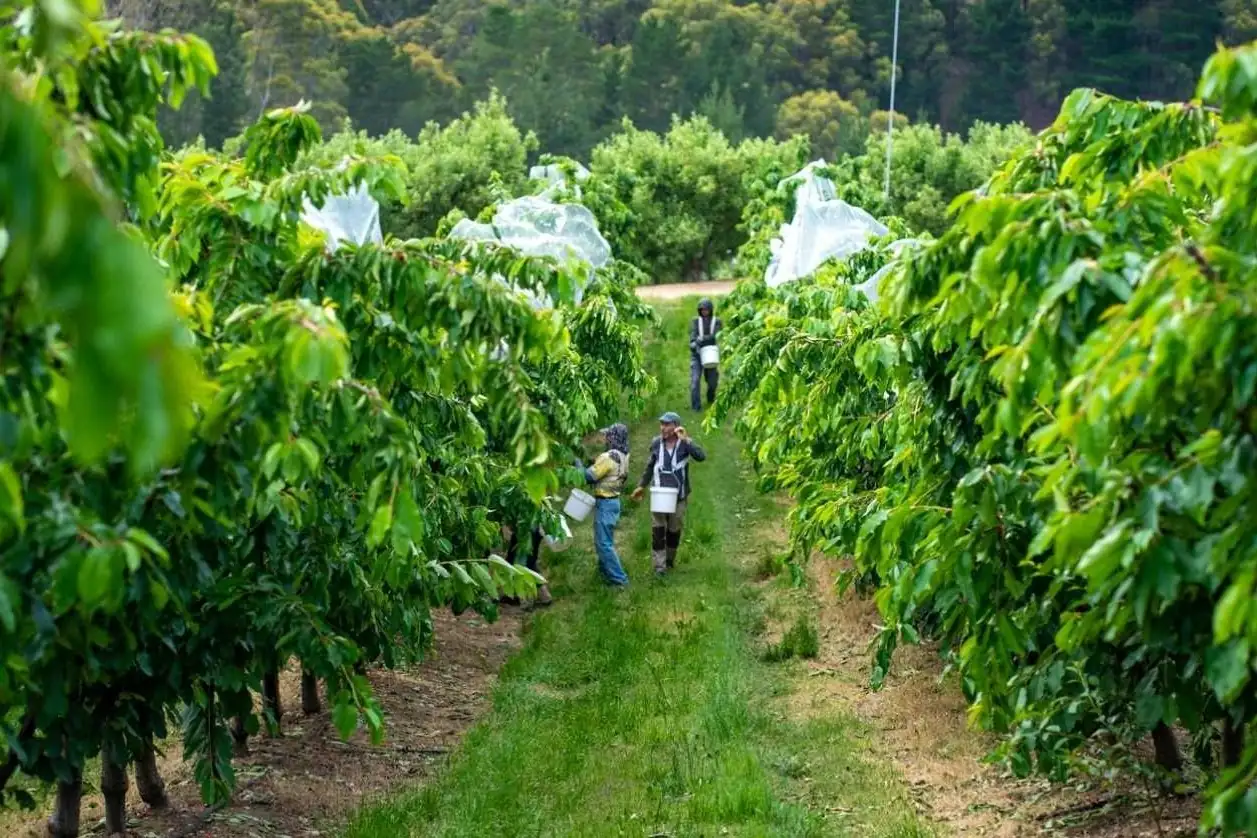
Adapting to new challenges
The project also includes support in adapting to interstate trade requirements and strengthening integrated pest and disease management techniques. Growers will benefit from easier access to the latest technologies and improved readiness to demonstrate Australia’s biosecurity standards to international markets.
A more resilient industry
Brett Fifield, CEO of Hort Innovation, highlights the importance of the project:
“Biosecurity is a shared responsibility. With this investment, we’re giving cherry and summerfruit growers the support they need to protect crops, respond swiftly to threats, and maintain access to key markets. It’s about building a safer, more resilient supply chain.”
Penny Measham, CEO of Cherry Growers Australia, also emphasises the strategic relevance of the initiative:
“This is an exciting project that enables our two sectors to jointly address biosecurity risks, including those linked to trade, in a proactive and sustainable way.”
Carrie Starkings, CEO of Summerfruit Australia Limited, adds:
“This appointment is not only a new professional role but a tangible symbol of our commitment to a resilient future for the industry, its regions and its farming communities.”
A shared investment
The initiative is funded through the research levies of both sectors, with co-funding from the Australian government.
With this new integrated approach to biosecurity, the Australian stonefruit and cherry industry is taking a decisive step towards a safer, more competitive and sustainable future, ready to effectively address global challenges.
Text and image source: Horticulture Innovation Australia Limited
Cherry Times – All rights reserved