“With the new varieties, we have extended the marketing calendar of PDO-certified cherries,” says José Antonio Tierno, President of the Regulatory Council of the Jerte PDO Cherry and President of the Agrupación de Cooperativas Valle del Jerte, who is beginning his second term leading the Spanish designation of origin.
What stands out most from your first term leading the PDO Cereza del Jerte?
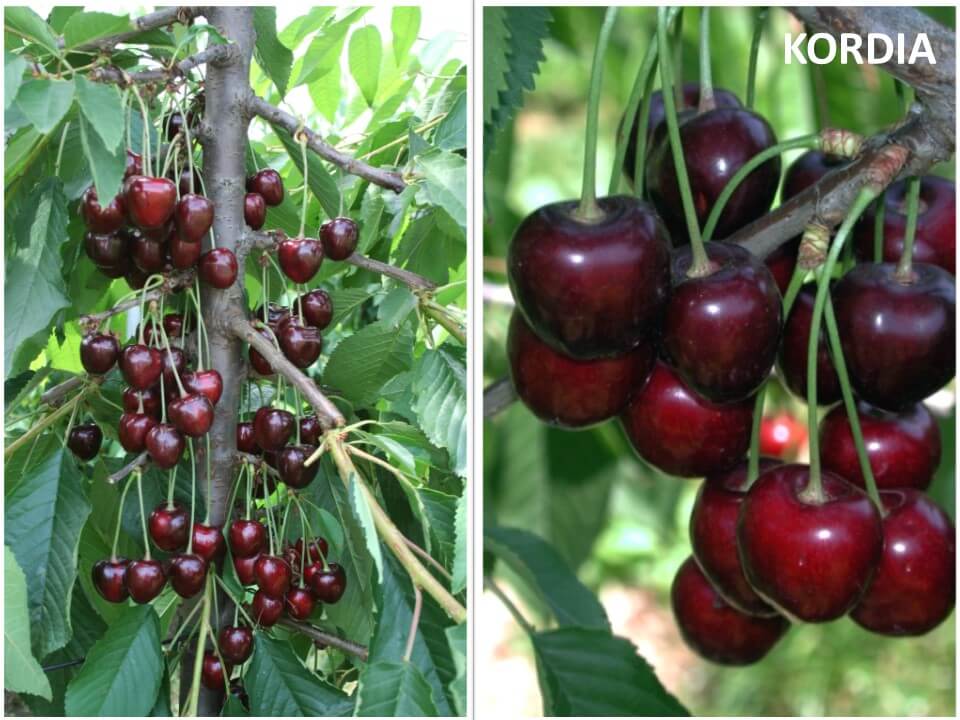
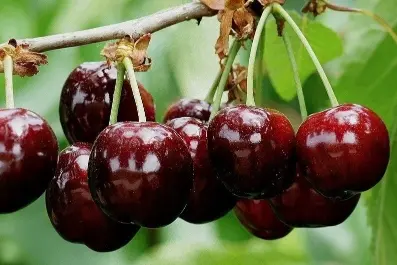
The most important achievement was finally managing to modify the specifications and include new varieties that can fall under the designation of origin. There was demand from consumers, who wanted certified product under this quality label from the very beginning of the season, when cherries are already available in the Jerte Valley. The inclusion of these stemmed varieties has allowed us to extend the marketing calendar under the PDO label practically from late April or early May through to August. This has been the main milestone of recent years.
“The higher the claims rate, the worse the insurance conditions become: this pushes more farmers out of the system, when the opposite should happen.”
Looking ahead to the next four years, what goals has the regulatory council set?
Precisely to consolidate the introduction of these varieties. It is not easy to communicate that, in addition to picotas, we also produce and certify cherries, meaning cherries harvested with the stem. Furthermore, we want to continue fulfilling the core mission of any designation of origin: ensuring that consumers recognize this European quality label and choose PDO-certified cherries over those from other production areas or non-certified products.
What kind of season does this winter’s climate suggest, in terms of chill hours and rainfall?
It is still too early to make predictions. The outcome of a season begins to take shape already at the end of the previous one. The cherry tree has memory: it remembers what it has experienced over time, with greater intensity what occurred in the last year. This winter has been positive in terms of chill hours: we are within the average, even above the crop’s average requirements, whereas in previous years there had been a significant deficit. However, chill hours are only one of many factors up to harvest. Last summer was also very hot, with effects such as double fruits, malformations and flowering issues. As for recent weather events, they have not caused significant problems, except for isolated cases in heavier clay soils with waterlogging. Now we need to see how flowering and pollination will evolve, but overall prospects are normal, with a flowering that should be satisfactory.
Is cherry growing facing a generational turnover issue? Are young people entering the sector?
In the area, this is a phenomenon that is only just beginning to appear. We are not yet a particularly vulnerable region, but we observe that fewer young people are entering compared to those who are leaving agriculture. Moreover, those who do enter often lack the means to make their farms profitable and end up quitting. In addition, cherry farms also suffer from labor shortages, with real difficulties in finding workers. The issue affects other crops as well, but in cherries it is more critical because harvesting requires a large workforce concentrated in a very short period.
Have the climatic difficulties of the 2022 and 2023 seasons increased the use of insurance?
Absolutely not, quite the opposite. Paradoxically, the higher the claims rate, the worse the insurance conditions become, and therefore more farmers leave the system, when the opposite should happen. If insurance were truly advantageous, those who suffered damage should insure themselves more, not less. Today, the share is much lower than in 2022: we have gone from about 14% of insured farms to around 7%, and it continues to decline.
And on the marketing side, what changes are being observed?
One thing is marketing under the PDO label, another is the rest of the cherries. This is precisely why new varieties have been introduced: until now, under the designation of origin, we only had four picotas and one variety, Navalinda. We were talking about a certified potential of 4–5 million kg, with 50% destined for the United Kingdom and the remaining 50% for the domestic market, a stable scheme for 20–25 years. Meanwhile, however, the European cherry market continues to grow and planted areas are increasing both in Spain and across Europe. We therefore risked being excluded from a growing demand, especially for larger-caliber cherries, which we could not meet with the PDO varieties available until now. The introduction of new varieties thus represents a turning point, considering that cherries are marketed in 25 European Union countries.
Can consumers distinguish a PDO Valle del Jerte cherry from a non-certified one?
I like to think so, that consumers recognize us, for example, through the flavor of the fruit. Growing conditions are different: we are talking about dry farming, without fertigation, in a specific environment. However, these characteristics are not visible on the cherry itself. No one can know whether it was grown without irrigation or with more or less environmental care. This is precisely the role of the designation of origin: to communicate how and where the fruit is produced.
Eduardo Barajas
El Periodico
Image source: Qualigeo
Cherry Times - All rights reserved