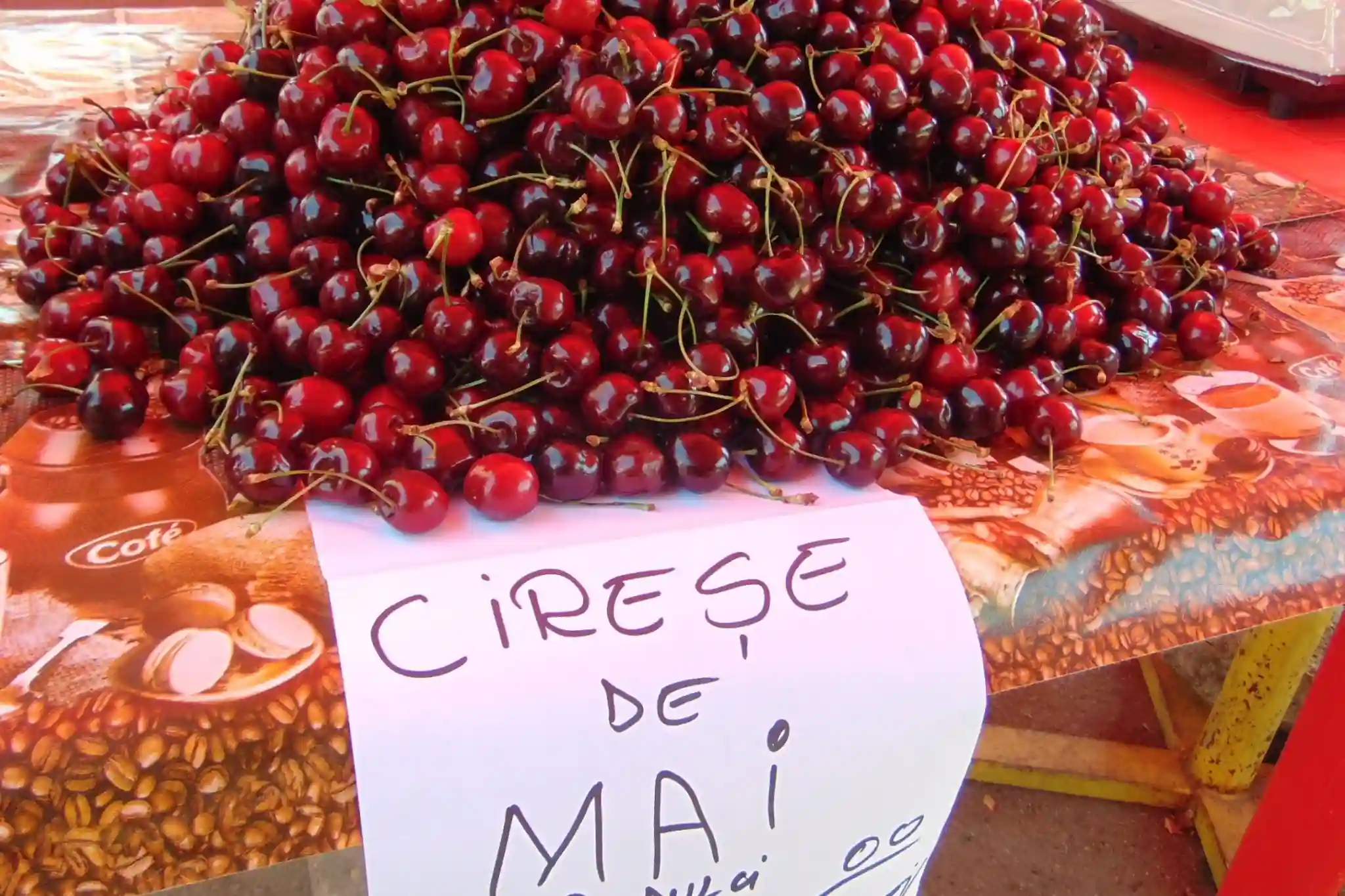
Postharvest storage is a critical stage for maximizing the commercial value of sour cherries intended for the fresh market. In this context, technologies based on light-emitting diodes (LEDs) are attracting increasing interest due to their ability to influence fruit metabolic processes during storage. A recent study conducted on the sour cherry cultivar ‘Carmine Jewel’, a hardy selection developed by the University of Saskatchewan (Canada), evaluated the effects of red and blue LED illumination on fruit quality during 24 days of low-temperature storage, highlighting promising opportunities to enhance both the nutritional and commercial value of the product.
The study demonstrated that both wavelengths affected several quality parameters. From a chemical standpoint, LED treatments promoted an increase in soluble solids content, with gains ranging from 0.5 to 1.5 °Brix compared with fruit stored in darkness (control), accompanied by a slight reduction in total acidity and a moderate increase in pH. These changes suggest a continuation of metabolic processes associated with ripening, with potentially positive effects on fruit flavor perception.
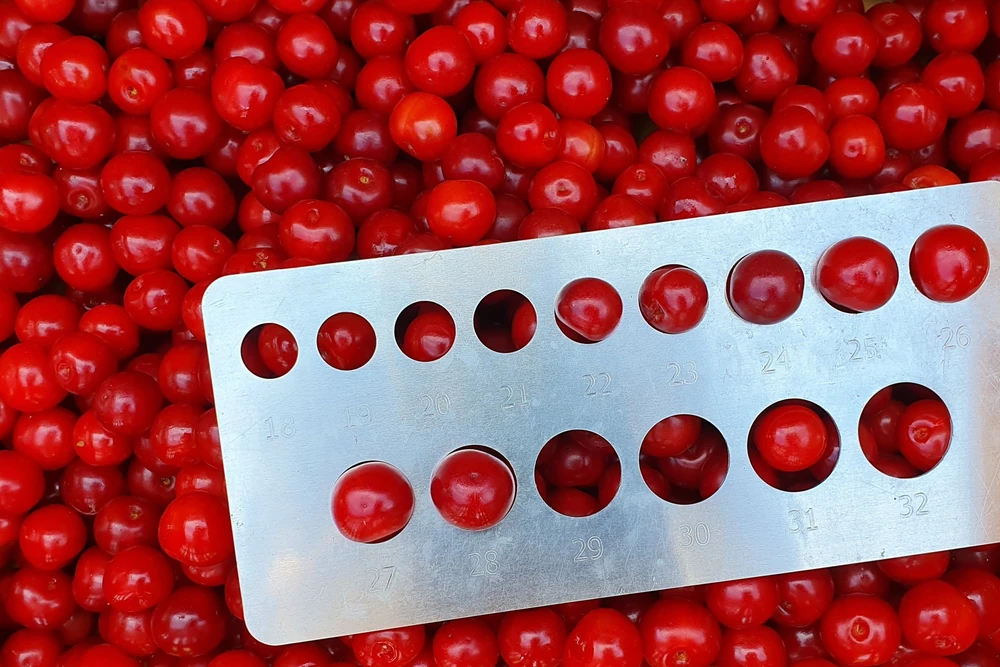
Regarding bioactive compounds, both red and blue light increased the total content of phenolics and anthocyanins, two classes of secondary metabolites closely associated with the antioxidant properties of sour cherries. The effect was particularly evident during the later stages of storage, while blue light showed the ability to stimulate phenolic accumulation at an earlier stage, already within the first days of storage.
Anthocyanins
Detailed analysis of the anthocyanin profile revealed significant increases in the main compounds responsible for fruit coloration and health-promoting properties, including cyanidin-3-rutinoside, cyanidin-3-glucosylrutinoside, cyanidin-3-glucoside, and cyanidin-3-sophoroside. In the absence of illumination, these compounds remained largely stable during storage, whereas LED exposure promoted their accumulation, with generally stronger effects under red light. This finding suggests the activation of biosynthetic pathways involved in phenolic metabolism and anthocyanin synthesis.
Ascorbic acid content also benefited from LED treatments. Fruits exposed to LEDs showed higher concentrations than the control, with particularly pronounced increases under red light. The simultaneous enhancement of vitamin C, phenolics, and anthocyanins confirms the potential of LEDs as a tool for improving the nutraceutical profile of sour cherries during cold storage.
From an aesthetic perspective, the treatments influenced skin color. In particular, red light increased the a* parameter, which is associated with the intensity of the red color component, resulting in fruit with a deeper and brighter coloration. This characteristic could contribute to improving the product’s market appeal in the fresh-fruit sector.
Storage
However, not all observed effects were beneficial. Both LED treatments increased fruit weight loss during storage, an undesirable outcome because it is associated with dehydration and reduced marketable yield. In addition, red light showed a slight tendency to reduce fruit firmness compared with the control. From a microbiological standpoint, neither red nor blue light affected the development of molds and yeasts.
Overall, the study demonstrates that LED illumination during postharvest storage may represent a promising strategy for increasing the concentration of bioactive compounds and improving certain quality attributes of ‘Carmine Jewel’ sour cherries. Nevertheless, the increase in weight loss highlights the need to optimize light intensity and exposure duration before commercial-scale implementation. The results indicate that postharvest quality management through specific light wavelengths could become an innovative tool for enhancing the value of small fruits with high nutraceutical potential.
Source: Wang, Z., Svyantek, A., & Miller, Z. (2026). Light-emitting diodes (LEDs) effect on the quality of ‘Carmine Jewel’ cherries during postharvest storage. Agricultural Products Processing and Storage, 2(1), 21. https://doi.org/10.1007/s44462-025-00046-0
Image source: Stefano Lugli
Andrea Giovannini
PhD in Agricultural, Environmental and Food Science and Technology - Arboriculture and Fruitculture, University of Bologna, IT
Cherry Times - All rights reserved