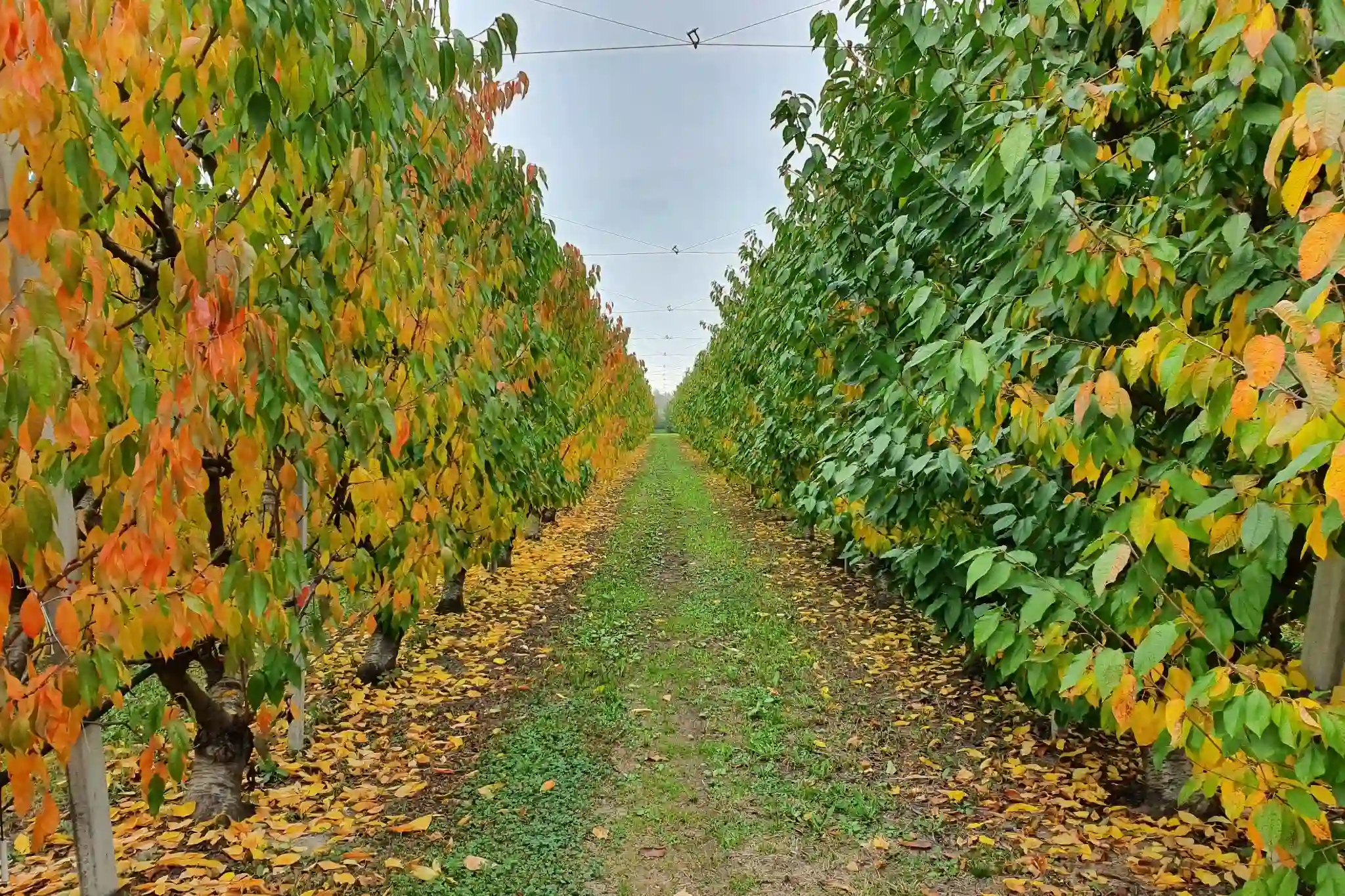
Lower volumes in the north, with the southern hemisphere playing an increasingly central role. Cherries in 2025 tell the story of an industry undergoing profound transformation, shaped by production challenges, new logistics strategies and the opening of key markets.
2025 marked a turning point for the global cherry industry, with declining production in the northern hemisphere and a strengthening of the export role of the southern hemisphere.
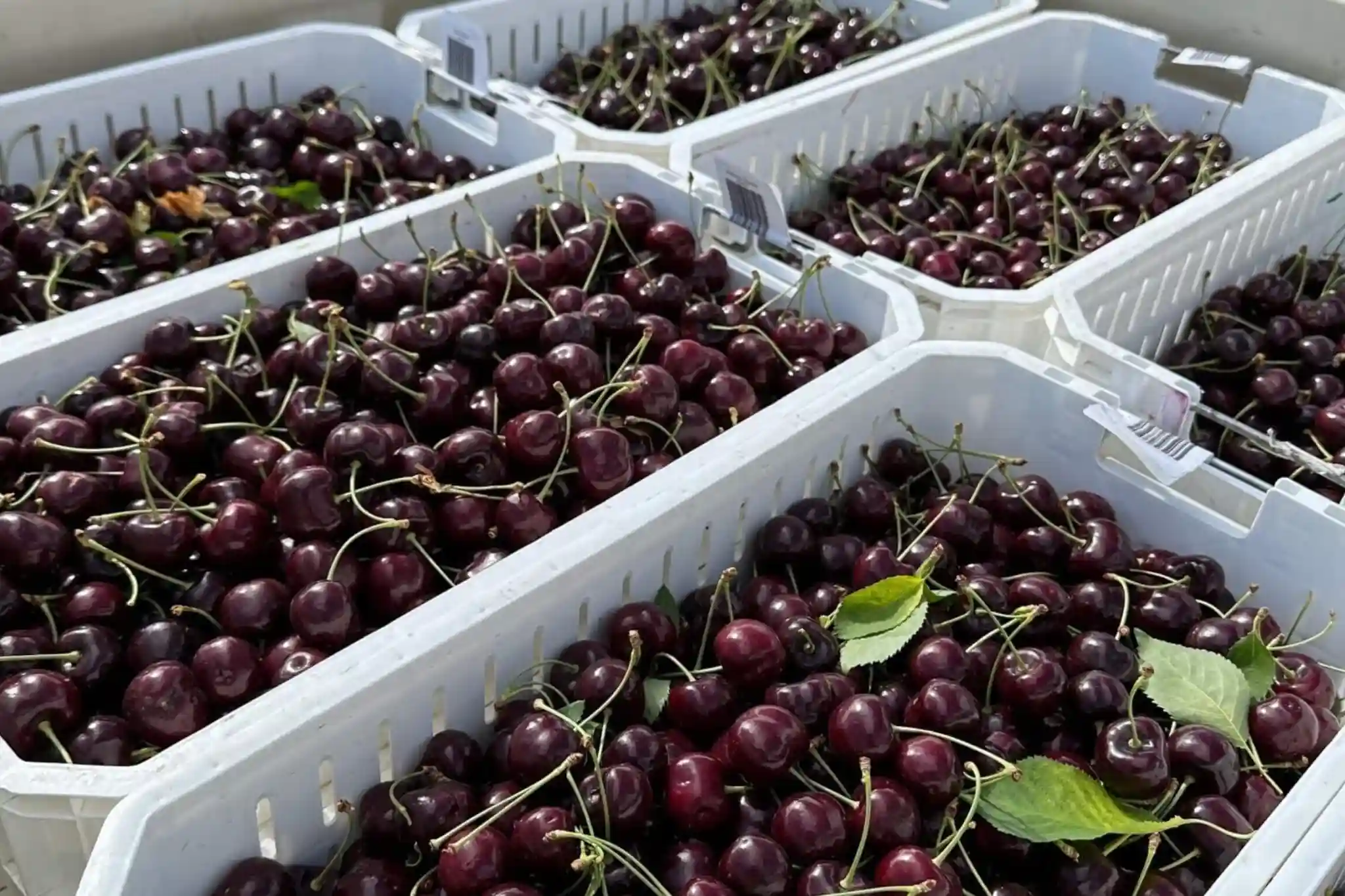
China and Chile take center stage
China remains the world’s leading cherry producer, although most of its output is destined for the domestic market. In Europe and North America, the sector has faced a combination of critical factors: adverse weather conditions, labour shortages and rising production costs.
Countries such as Turkey, the United States, Spain, Italy, Poland and Greece experienced a downsized season.
Moving against the trend, Chile consolidated its position as the world’s leading exporter of fresh cherries. During the counter-season window, the Andean country dominated international markets, particularly China, which continues to be the main destination.
However, the Chilean industry is now focusing on greater diversification, aiming to strengthen its presence in the United States, Europe, Latin America and India.
Alongside Chile, South Africa also recorded a strong export season, while Australia, New Zealand and Argentina maintained a more contained profile, focusing on niche markets and strategic commercial windows.
Quality and global production
In 2025, product quality and condition proved to be essential requirements for competing in global markets. Price pressure and growing competition among producing countries have made logistics efficiency and the continuous improvement of post-harvest standards indispensable.
According to the United States Department of Agriculture (USDA), global cherry production in 2025/26 could experience a decline of more than 10%, with Turkey, the United States and the European Union all recording lower volumes.
Conversely, increases are expected in China and Chile, helping to offset the global contraction.
In this context, Frutas de Chile has forecast total shipments of 131 million boxes for the 2025–2026 season. However, according to Fedefruta, volumes may be lower than in previous years, due to agronomic decisions aimed at improving fruit size and quality, as well as a “production hangover” following particularly abundant seasons.
Southern hemisphere on the rise
In Chile, the season is currently in full swing. The focus is on logistics and maintaining quality throughout the entire value chain, with the activation of new packing facilities in areas free from phytosanitary restrictions.
South Africa is also experiencing a positive season, with forecasts pointing to increased production thanks to favourable weather conditions. The country is also targeting the opening of the Chinese market for the 2026/27 season.
Argentina, for its part, continues to serve niche markets and stands out for its focus on quality and diversification beyond the Chinese channel.
Europe and the United States
Europe continues to play an important role in cherry production and consumption. In Spain, the renowned Jerte Valley cherry recorded an abundant harvest, extending availability on the European market.
Italy, Greece, Germany and Poland continue to report strong domestic demand and significant production volumes.
A key development for Spain was access to the Chinese market, made possible by the signing of a three-year phytosanitary protocol. Exports will be monitored by the Ministry of Agriculture, with strict standards for processing, packaging and transport.
In the United States, production declined, particularly in California and Michigan. Nevertheless, the country remains a key player in international cherry trade.
Logistics and innovation
Chinese demand continues to drive Chilean exports, also fuelled by the Lunar New Year festivities. Meanwhile, India is showing growing interest, although export volumes remain limited due to logistical constraints.
Strengthening logistics was one of Chile’s core objectives for the 2025/26 campaign. Key developments include the expansion of the Cherry Express service for direct maritime shipments to Asia, offering shorter transit times and greater competitiveness compared to traditional routes.
Nevertheless, several challenges remain: unstable weather conditions, such as frost events, and the ongoing need to innovate post-harvest processes to ensure cherries arrive in perfect condition at destination markets.
Future outlook
The key word for the future is quality. In an increasingly selective market, consumer satisfaction — and loyalty — depend on delivering an impeccable sensory experience.
This is where the entire southern hemisphere industry is investing: integrating advanced logistics, agronomic expertise and commercial strategy to seize the opportunities offered by a constantly evolving global market.
Source: www.portalfruticola.com
Image source: Cherrybrookfarms
Cherry Times – All rights reserved