Following a series of field evaluations carried out in the regions of Ñuble, La Araucanía and Los Ríos, the final phase of the rootstock breeding program for sweet cherry promoted by the Centro de Estudios Avanzados en Fruticultura (CEAF), in collaboration with the Centro Fruticultura Sur, has come to a close.
The stated objective was to select clonal materials capable of adapting to the climatic and phytosanitary challenges of the country’s central-southern zone, while simultaneously improving productivity, sustainability and agronomic compatibility.
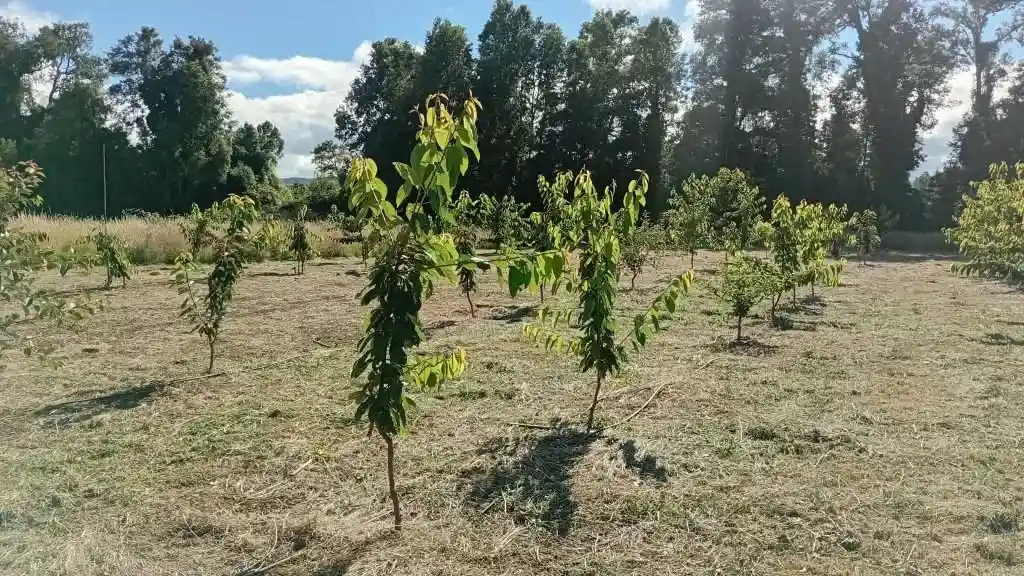
UACH, Valdivia (Los Ríos Region).
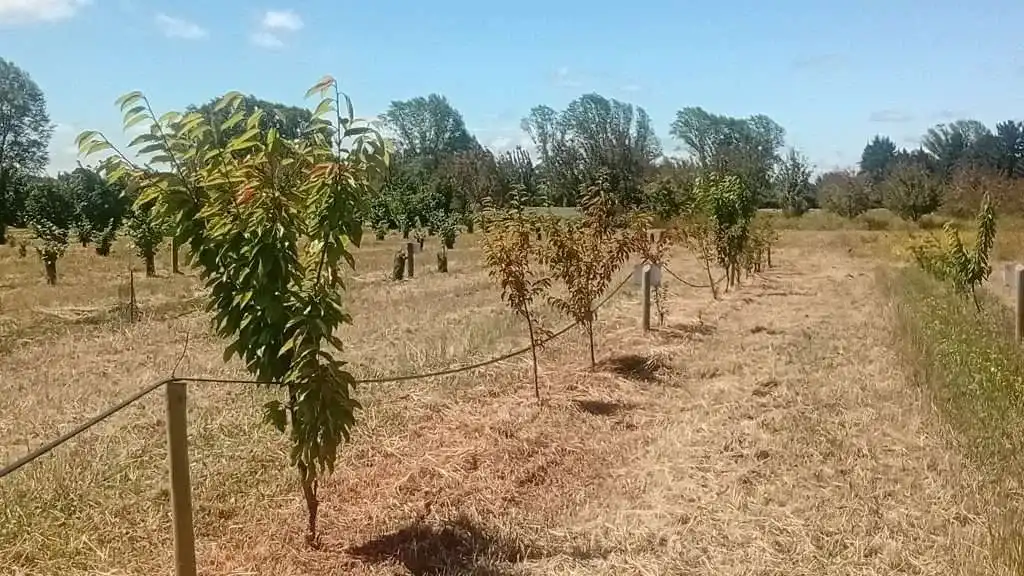
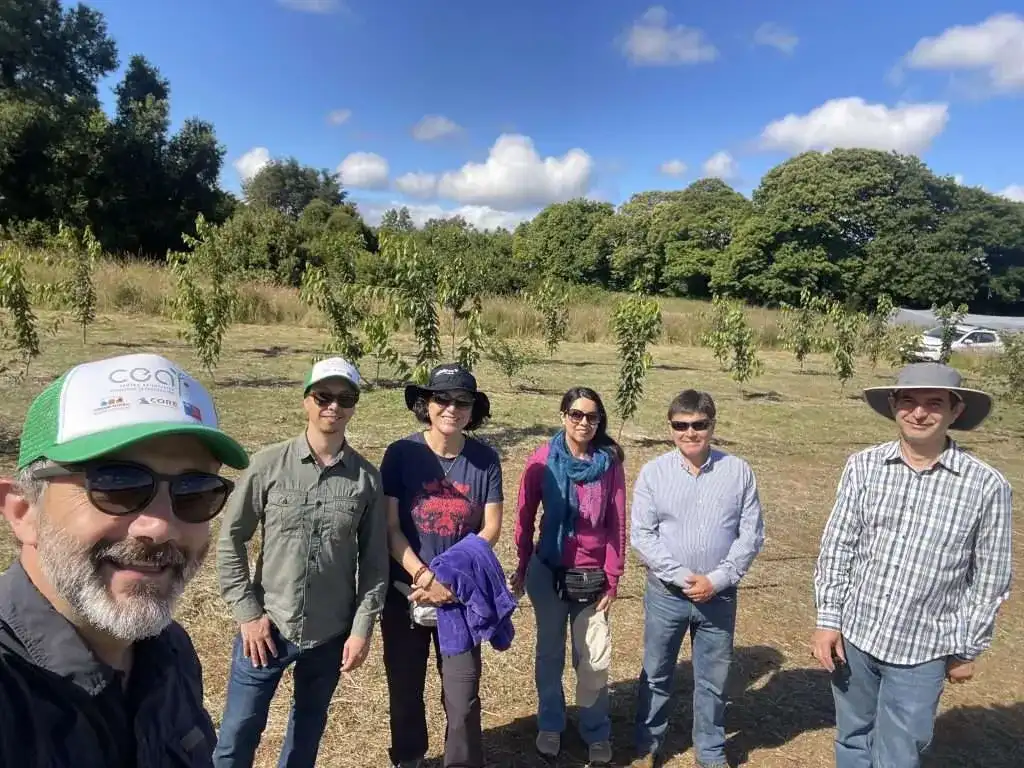
UFRO, Maquehue (La Araucanía Region).
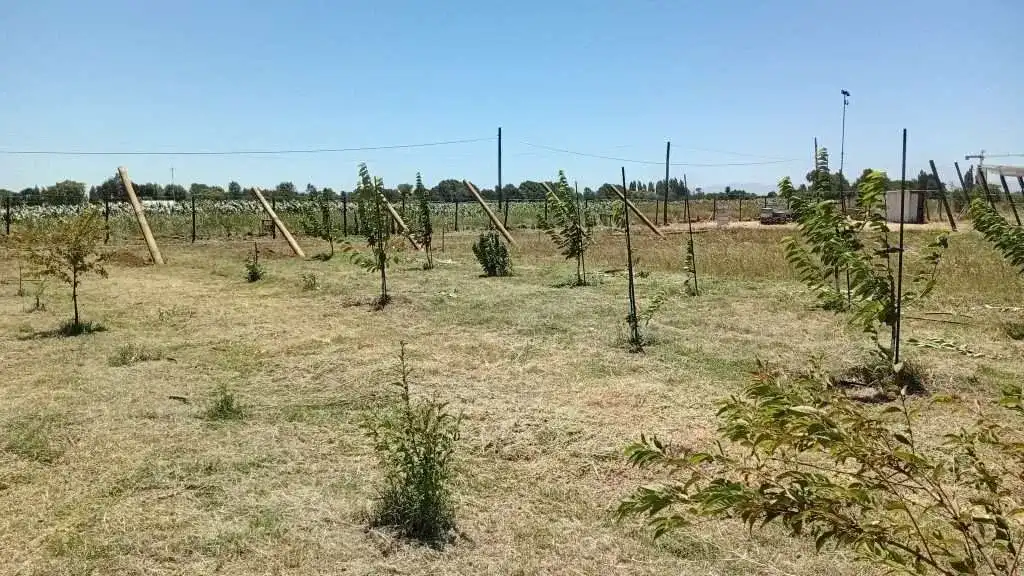
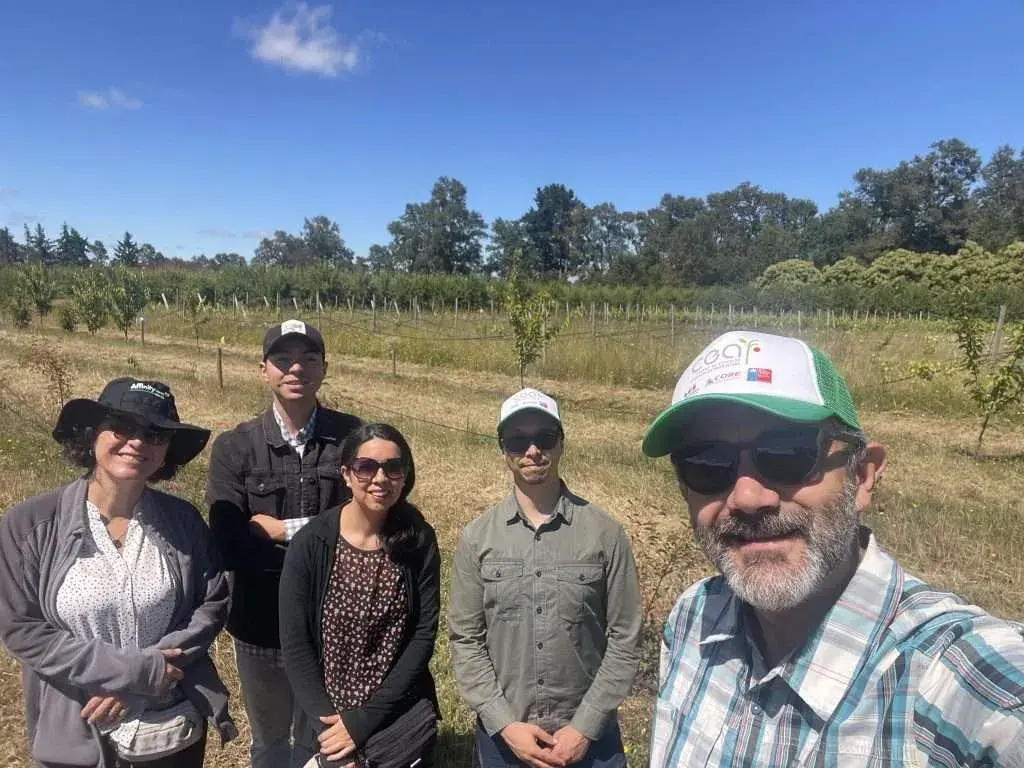
UDEC, Chillán (Ñuble Region).
Genetics in the service of resilience
The project involved targeted crosses between genetic lines selected for agronomically relevant traits, with particular emphasis on resistance to biotic stresses—such as fungi, bacteria and nematodes—and abiotic stresses, including drought, salinity and soil hypoxia.
These factors currently represent critical constraints on cherry production in southern Chile, one of the key areas for the expansion of the sector.
Field evaluations and academic collaboration
Between 2021 and 2022, three experimental demonstration plots were established in collaboration with the Universities of Concepción (UDEC), La Frontera (UFRO) and Austral de Chile (UACH).
The trials were conducted respectively in Chillán, Maquehue and Valdivia. In each plot, ten clonal selections developed by the program were compared with two widely used reference rootstocks: Gisela 12 and Colt.
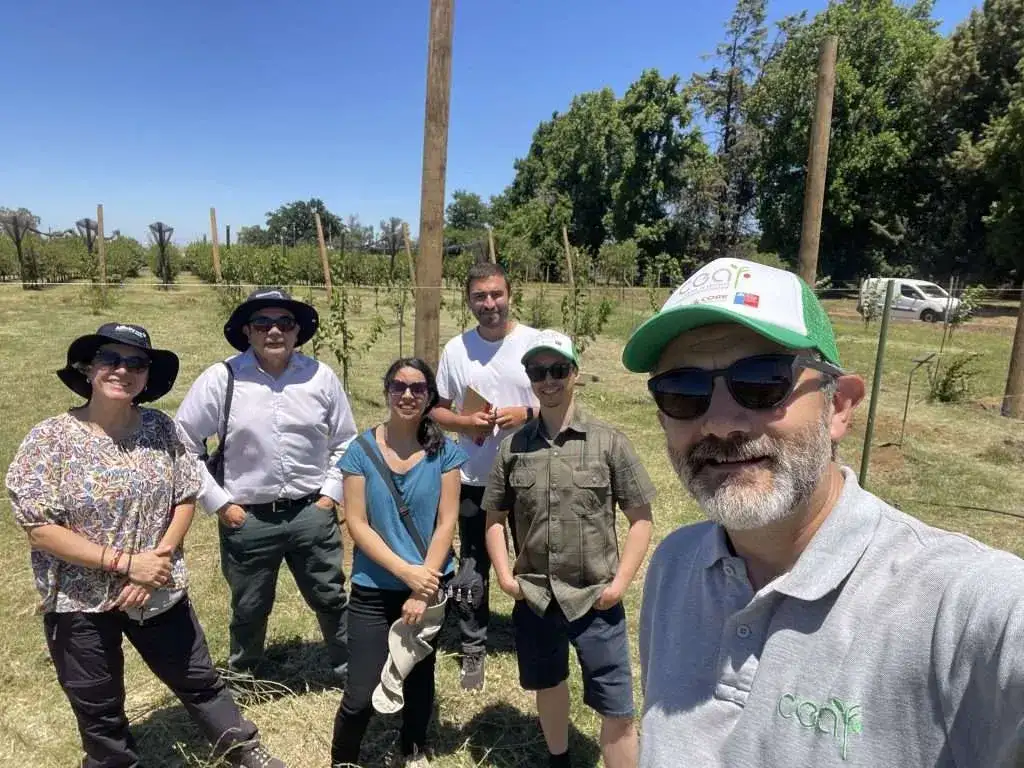
During the technical visits carried out in December 2025, CEAF researchers Mauricio Ortiz and Ismael Opazo, together with the Centro Fruticultura Sur team—composed of Claudia Jorquera and Alejandra Vinagre—collected key data on phenology, vigor, survival and agronomic adaptation.
In parallel, further evaluations focusing on propagation, compatibility and stress responses were conducted at CEAF laboratories in the O’Higgins Region.
Team in Chillán (Ñuble Region).
Team in Maquehue (La Araucanía Region).
Team in Valdivia (Los Ríos Region).
A milestone and a new beginning
The completion of this phase represents a strategic milestone for Chilean fruit growing. Thanks to the genetic diversification of rootstocks, it will be possible to better address environmental challenges and produce cherries more efficiently and sustainably, even under variable agroclimatic conditions.
The joint work of research centers and universities has made it possible to systematize the knowledge gained and identify the most promising candidates for commercial-scale adoption in the coming years.
CEAF and its partners at the Centro Fruticultura Sur thus reaffirm their commitment to innovation that starts with genetics and looks toward the competitiveness of the entire Chilean cherry supply chain.
Research by the University of Craiova in Romania examines the effect of 6-BA and GA4+7 growth regulators on branching in Sunburst, Kordia and Regina cherry trees grown in nurseries with the knip system and Prunus mahaleb rootstock, aiming for better formed, productive trees.
Washington State University may soon release R3 and R19, two early-season cherry varieties that outperform Chelan in sweetness, firmness and size. Developed through years of trials in Zillah and Mattawa, they could reshape early-season cherry production in the U.S. fruit market.
Spring rains in Chile have split early cherries in the north, while damage in O’Higgins, which accounts for over 80% of production, remains marginal so far. Growers are monitoring fungal disease, saturated soils and potential impacts on Chile’s 2026/27 cherry crop.
Da 14 anni, il PMGCe della PUC in Cile seleziona varietà precoci di ciliegio, a basso fabbisogno in freddo e resistenti a caldo, siccità e cracking. Tre selezioni avanzate e 1.000 individui sono valutati in quattro siti: l’obiettivo è registrare una varietà entro il 2030.