As industry consultants, we warn that the current situation stems from a structural imbalance between inorganic growth in production, efficient logistics times and the ability to maintain value at destination.
In a recent meeting, we analysed the current situation of the sector in depth and reached several conclusions that we believe should be discussed: the problem is not simply the market, but the system.
Accelerated growth and dependence on the Chinese market
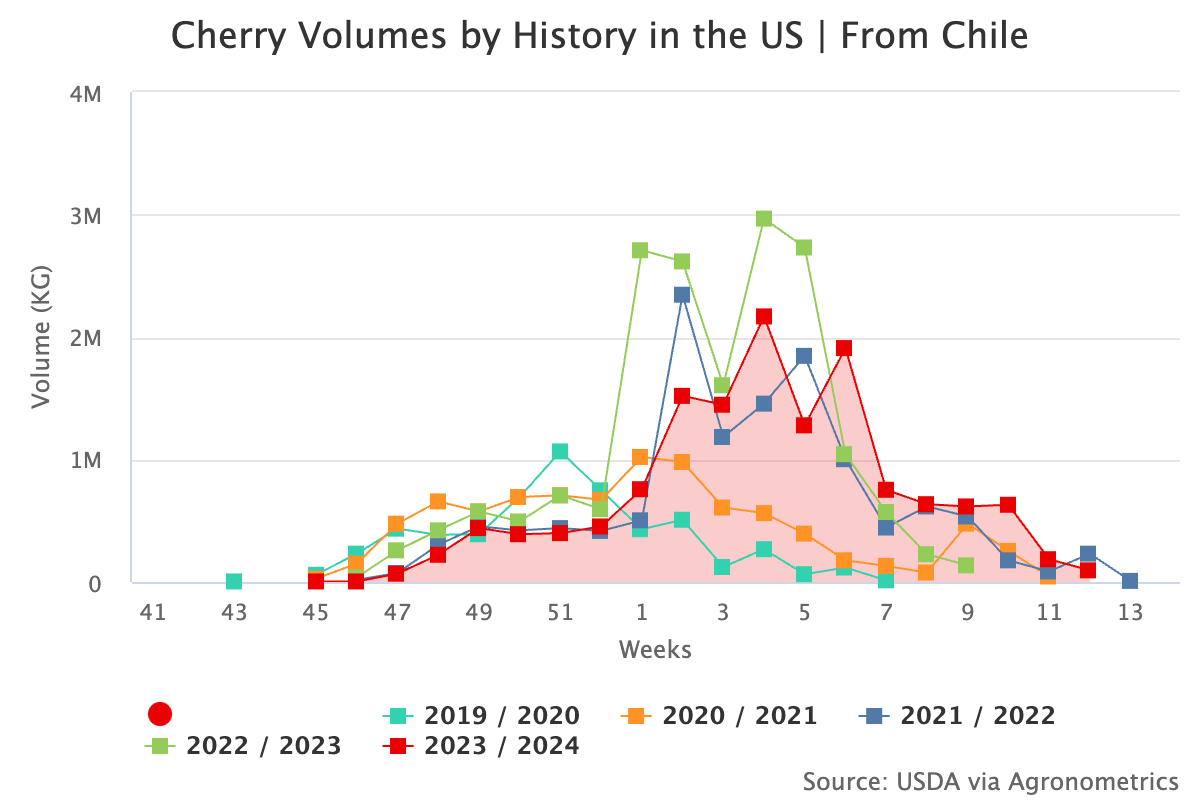
In recent years, the sector has grown rapidly, consolidating Chile’s position as a dominant global player. However, this growth has not been accompanied by planning, coordination, quality control or supply management mechanisms, generating increasing pressure on prices and revenues. Our interpretation is that dependence on the Chinese market – which today accounts for almost 90% of shipments – is not the problem in itself, but rather non-organic growth that is not always matched by the quality and conditions required for transit and sales times, as well as the lack of tools to properly manage the volume shipped weekly to that market.
Logistics times and deterioration
One critical point is the actual time required to reach the destination. For example, while short sea transits (Cherry Express) take around 22-23 days, in practice they extend to 27-28 days due to storage at origin and customs clearance procedures at destination during peak weeks. Added to this is the commercial window that the fruit needs after arrival, which may be 7 days or more. This is a critical period for certain varieties and maturity stages at the time of packing. Exceeding this period, due to weeks when arrivals exceed demand and/or because of speculation in search of better sales, such as those preceding Chinese New Year, has resulted in serious and regrettable losses of eating quality and preservation problems, even for the best varieties.
Lack of uniformity in quality
At the same time, the sector has failed to establish uniformity in quality. The absence of effectively enforceable standards allows fruit that does not meet specifications to be shipped, which also damages the destination market and limits the possibility of enhancing what could truly become a national brand if we were able to bring most of our volume up to the level achieved by those obtaining the best results in Chile.
Economic model under pressure
From an economic perspective, we observe a model that is clearly under pressure. For much of the season, returns for growers are below production costs or, at best, cover them, but do not generate margins that allow projects to remain sustainable. Growers always take on the greatest risk, but in this situation of lower prices, they are now capturing the smallest share of the entire value chain.
Strategic role of consultants in supply management
Our mission, however, takes place directly in the field. As consultants, we have supported growers in their projects and we must also respond to this situation.
We believe that our work should not be limited to the simple agronomic management of the orchard. In the current scenario, we must take on a more active role in the strategic guidance of projects, always integrating economic, commercial and production design variables into the decision-making process. This complements our primary task of designing projects in which the selected variety reaches its full productive and quality potential. This also implies the rigorous use of all available information, questioning decisions based on prices obtained under limited, unsustainable or very different market conditions, and constantly prioritising quality and productivity in comparative sustainability analyses for each project.
Furthermore, we understand our direct responsibility in organising fruit supply. This means working with growers to clearly define which orchards are not profitable, which projects are not sustainable in the long term and which fruit should not be exported. Our vision is to evolve towards a model that prioritises quality, consistency and profitability over volume growth, helping to build a more sustainable sector that is aligned with the real needs of the market.
Turning point, strengths and future prospects
We note that the Chilean cherry sector has reached a turning point. Rather than waiting for volumes to adjust as a result of lower profitability, the challenge is immediate: to sustain value through improved quality standards, better production management, effective use of information and, above all, greater coordination at sector level, making transparent and disseminating information on situations that are not aligned with this objective.
At the same time, we agree on the importance of emphasising that this sector still has enormous strengths and great future potential. Chile maintains a position of global leadership, has technical expertise, competitive genetics and growers capable of adapting and evolving. The challenge is not the profitability of the sector, but the transition to a more organised, efficient and sustainable model, capable of sustaining value in the long term.
Financial support and restructuring
In this scenario, the support and trust of growers and the financial system will be essential. Financing has been crucial to the growth of this sector and will continue to be necessary to address the adjustment, restructuring and improvement processes that lie ahead. Final appeal: we have built a great sector and now we have a major opportunity to make it even stronger. Each of us has different responsibilities or actions to undertake and defend, but there is no time to lose. For our part, we are already working on it.
Óscar Aliaga, Matías Kulczewski, Samuel Rodríguez, Óscar Carrasco, Walter Masman, Carlos Tapia, Jordi Casas, Ricardo Miño, Víctor Vicencio, Christian Gallegos, Rafael Rodríguez
Consultants specialising in cherries
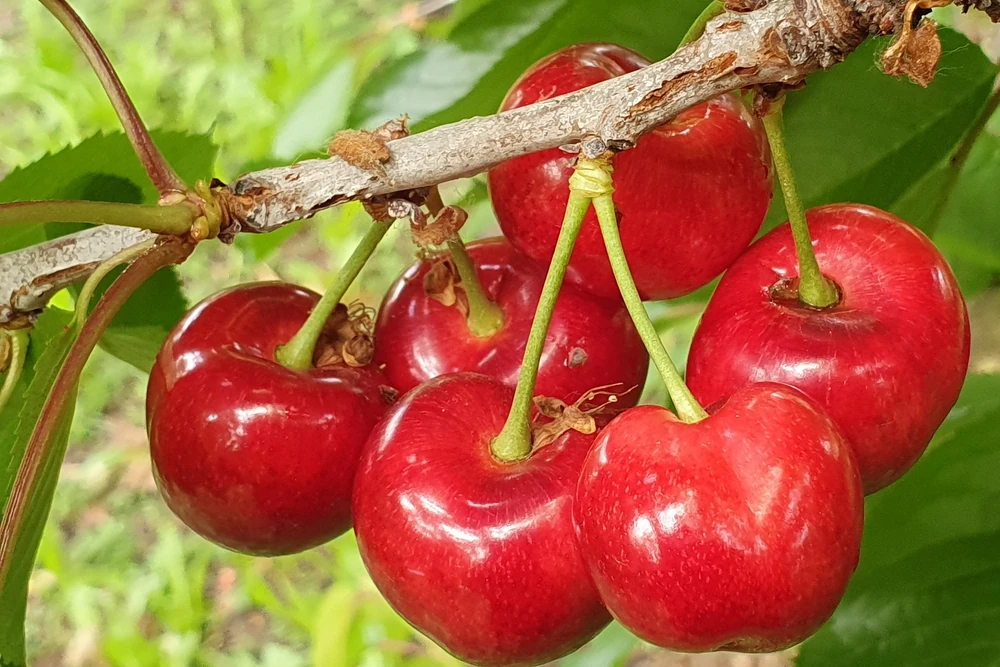
Image source: Stefano Lugli
Cherry Times - All rights reserved