Persistent rains recorded in Moldova between the end of May and the beginning of June risk further weighing down an already complex sweet cherry season.
According to EastFruit, citing Logos Press, excess moisture could negatively affect the quality and marketability of early fruit, while the sector is still assessing the effects of spring frosts on late export-oriented varieties.
Early cherries under pressure
The main concern is the segment of the so-called “farmers’ sweet cherries”: early local varieties, generally smaller in size, sold mainly on the domestic market.
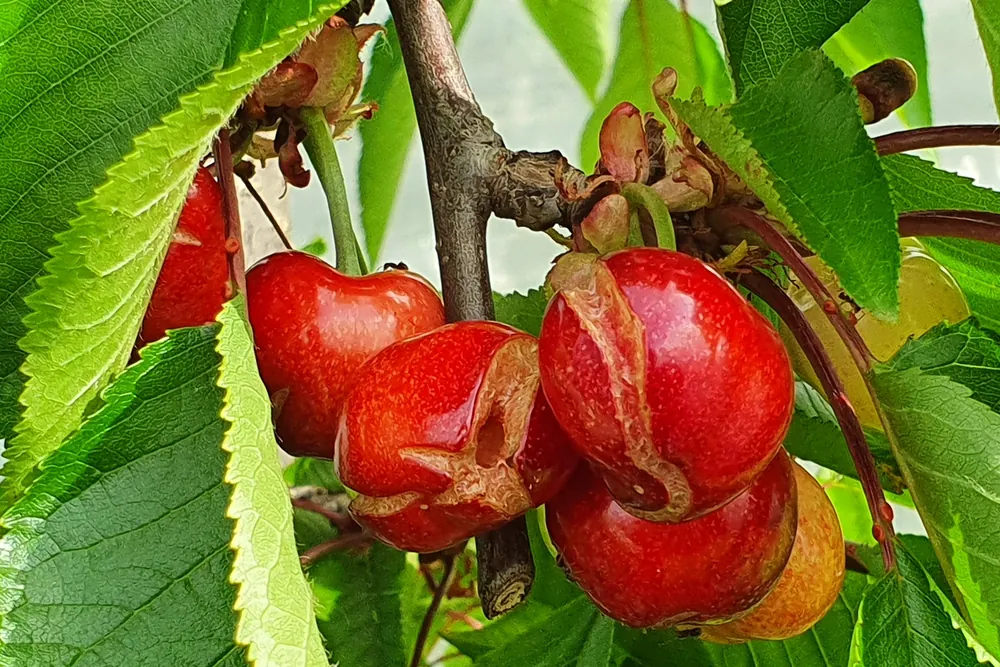
Heavy and persistent rainfall during the ripening stage increases the risk of cracking, quality deterioration, and lower commercial yields.
For small growers, who depend on rapid sales in local markets, this scenario may translate into new economic losses and greater price pressure.
Spring frosts and export varieties
The situation is made even more delicate by the damage already suffered in the first part of the season.
According to previous reports from the Moldova Fruct Association, spring frosts significantly affected orchards of late foreign-bred varieties, including Kordia, Regina, and Ferrovia.
These are key cultivars for Moldova’s export potential in the sweet cherry sector.
Initial expert estimates indicate production losses in late orchards ranging from 40% to 70%.
2026 exports in the balance
In an ordinary year, Moldova harvests around 15,000-20,000 tonnes of sweet cherries, on an estimated area of between 5,300 and 5,500 hectares.
Last year, the country exported around 8,000 tonnes, approximately 2,000 tonnes less than in the previous season.
In light of the current climate-related challenges, export volumes in 2026 could decline further.
At the same time, competition for high-quality fruit could become more intense, especially in markets where Moldovan cherries aim to stand out for size, firmness, and commercial standards.
A season to be managed with caution
For Moldovan sweet cherry growers, 2026 is shaping up to be one of the most difficult campaigns in recent years.
Frosts have already reduced the potential of premium export-oriented varieties, while prolonged rains are now threatening the profitability of early cherries destined for domestic consumption.
The sector’s ability to select the best fruit, contain losses, and preserve market confidence will be decisive in limiting the impact of a season marked by rapidly successive climate risks.
Source: east-fruit.com
Image source: Stefano Lugli
Cherry Times - All rights reserved