After more than 15 years of drought, heavy rains are a precious resource for Chile.
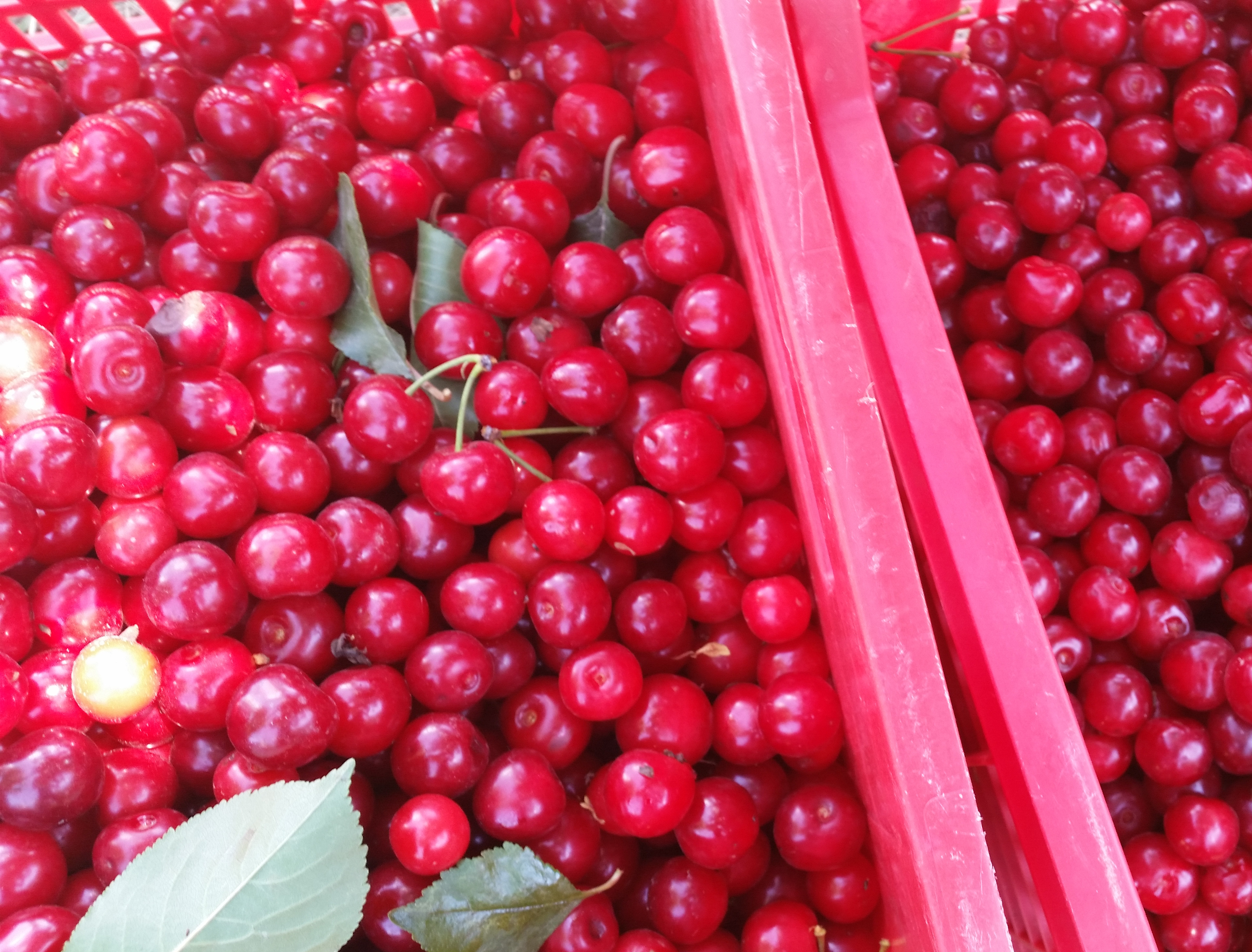
But the rainfall at the start of spring is putting the season’s first cherries under pressure: split fruit has been reported in the north, and with more rain on the way, concerns about risks in orchards are growing.
Up to 110 millimeters of rain has fallen across several regions in recent days. The first reports of fruit cracking concern early varieties grown in the north, where orchards lacked protective covers.
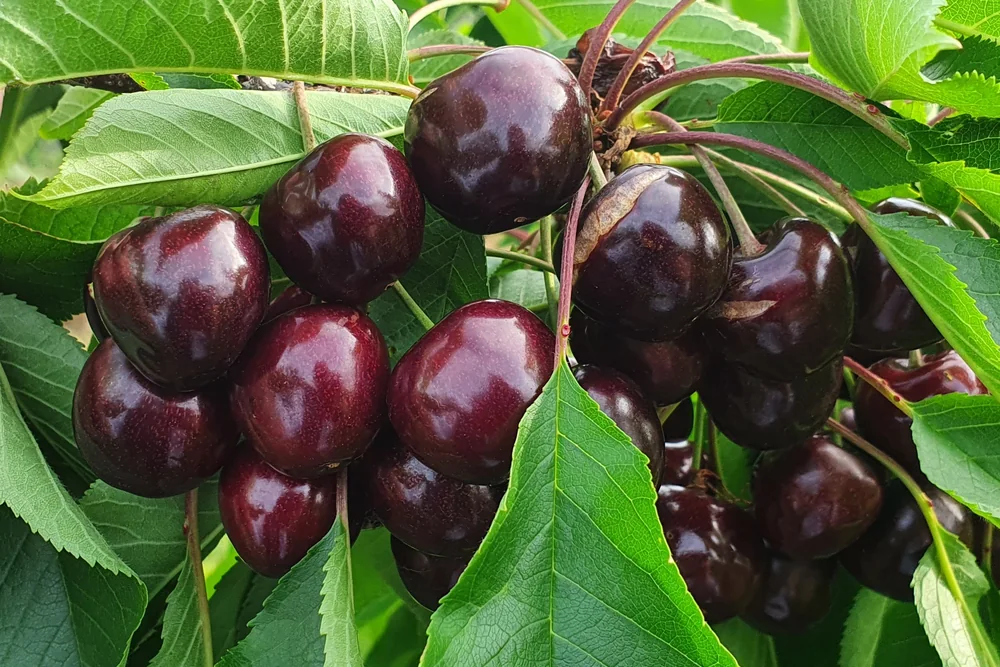
Rainfall impacts across producing areas
The impact varies from one producing area to another. According to Walter Masman, an industry expert and advisor, the effects could be more limited in the central regions.
So far, damage to northern volumes remains limited compared with overall production. In the O’Higgins region, which accounts for more than 80% of Chile’s cherries, the impact of the rains is so far considered marginal.
Fungal diseases and saturated soils under watch
Over the coming days, it will be important to monitor the possible development of fungal diseases and assess whether to apply additional treatments after the rain.
Masman also highlighted the uneven phenological development observed this season: some orchards still have floral remnants.
Soil saturation could weigh most heavily on varieties scheduled for harvest in the first days of November, especially since some fertilization programs may not yet be complete.
The forecast calls for more rain in producing regions, with possible accumulations close to 20 millimeters. If the rains continue, soils could remain saturated for longer, increasing physiological risks for the trees.
This could lead to fruit abortion and fruit drop in a season already marked by insufficient winter chilling.
Northern crop expected to decline
While the industry assesses the effects of the latest rains, the northern crop is already expected to fall short of initial estimates.
Miguel Ángel Lorenzini, plant manager at Teno Pack, told FreshFruitPortal.com that production in Ovalle, about 400 kilometers north of Santiago, could fall by up to 70%.
Among the factors cited are an unusually wet winter and a spring that, according to forecasts, could be wetter than normal.
In a short time, excess moisture can suffocate roots. This is compounded by irregular chill-hour accumulation and the high temperatures recorded during flowering and fruit set.
Water reserves and crop losses
The rainfall is still a valuable resource for growers: based on current assessments, it could secure water reserves for four or five seasons.
However, water availability does not make up for crop losses: damage exceeds 80% in some orchards, and harvesting for export may not be worthwhile for the growers affected.
With more rain forecast across much of Chile’s cherry-growing regions, the 2026/27 season remains uncertain.
The coming days should bring a clearer picture of the effects on fruit and soils, as growers continue to monitor changing weather conditions.
Source: www.freshfruitportal.com
Image source: Stefano Lugli
Cherry Times - All rights reserved