The 2025–26 cherry season is looking to the Chinese market with larger, sweeter and more resilient fruit. The goal? To win back consumers and leave behind last year’s logistics crisis.
While China prepares to celebrate the arrival of the Lunar New Year – amid red lanterns, fireworks and symbolic gifts – thousands of kilometres away, in Chile, the cherry season is moving into full swing. This red fruit, now considered the perfect gift for the most important holiday in the Asian country, has experienced a true boom over the past decade, with exports to China increasing by 507%.
This is no coincidence: the Chilean harvest aligns perfectly with the Chinese New Year calendar (which in 2026 will fall between 17 February and 3 March), and its cherries – large, sweet, resilient and bright red – meet the aesthetic and symbolic expectations of the market. Not surprisingly, they have virtually replaced other potential competitors such as plums and strawberries, which are less suitable in terms of flavour and shelf life.
An uncontrolled boom
However, success also has a downside. In the 2024 season, demand spiralled out of control, overwhelming logistics: congested ports, blocked vessels, fruit arriving late and in poor condition. The result? A collapse in prices and expectations. “It was a catastrophe,” commented Rodrigo Carvallo, Deputy Marketing and Innovation Director at Summit Agro Chile, a company within the Japanese Sumitomo Corporation Group.
The industry’s response: quality first
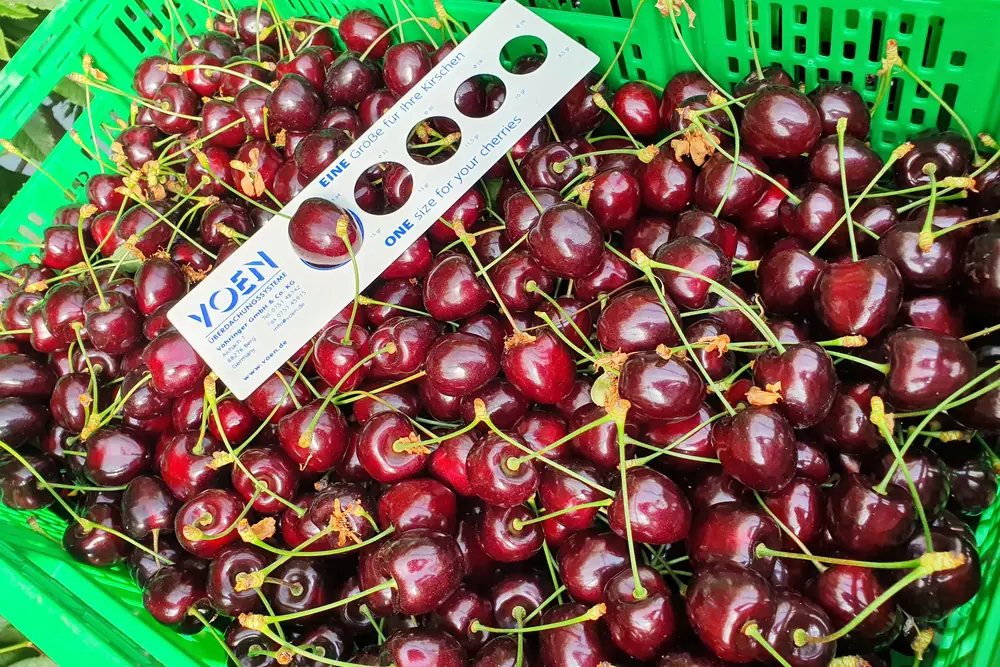
As the new season approaches, the entire supply chain has learned from past mistakes. The guidelines for growers and exporters are clear: cherries must be large in size, intensely coloured, rich in flavour and with a bright green stem. No small fruit or premature harvesting, in order not to compromise product perception and market value.
“This year we have the advantage of a later Chinese New Year, which gives us more time to organise shipments and manage volumes more effectively,” Carvallo pointed out, adding that numerous preventive actions have already been put in place.
Technology and nutrition serving the perfect fruit
Producing top-quality cherries within tight timeframes is a challenge that requires intensive and precise management. “The cherry tree is not a marathon runner, it’s a sprinter: barely two months pass between flowering and harvest,” Carvallo explains. This is why nutritional and phytosanitary support is crucial.
Summit Agro offers targeted solutions: Biosmart, which stimulates sugar production, improving colour and sweetness, and Oasis, an ally against thermal stress during the delicate pre- and post-harvest periods. To protect fruit from fungi and pathogens, Puelche is used instead – an effective, residue-free fungicide that is increasingly appreciated in a sustainability-conscious market.
Conclusion
Chile aims to regain the trust of Chinese consumers with a season focused on quality, planning and innovation. A crucial test not only for the Asian market, but for the overall credibility of Chilean exports. And if red is the colour of good fortune in China, this year cherries may truly bring good news.
Text and image source: redagricola.com
Cherry Times – All rights reserved