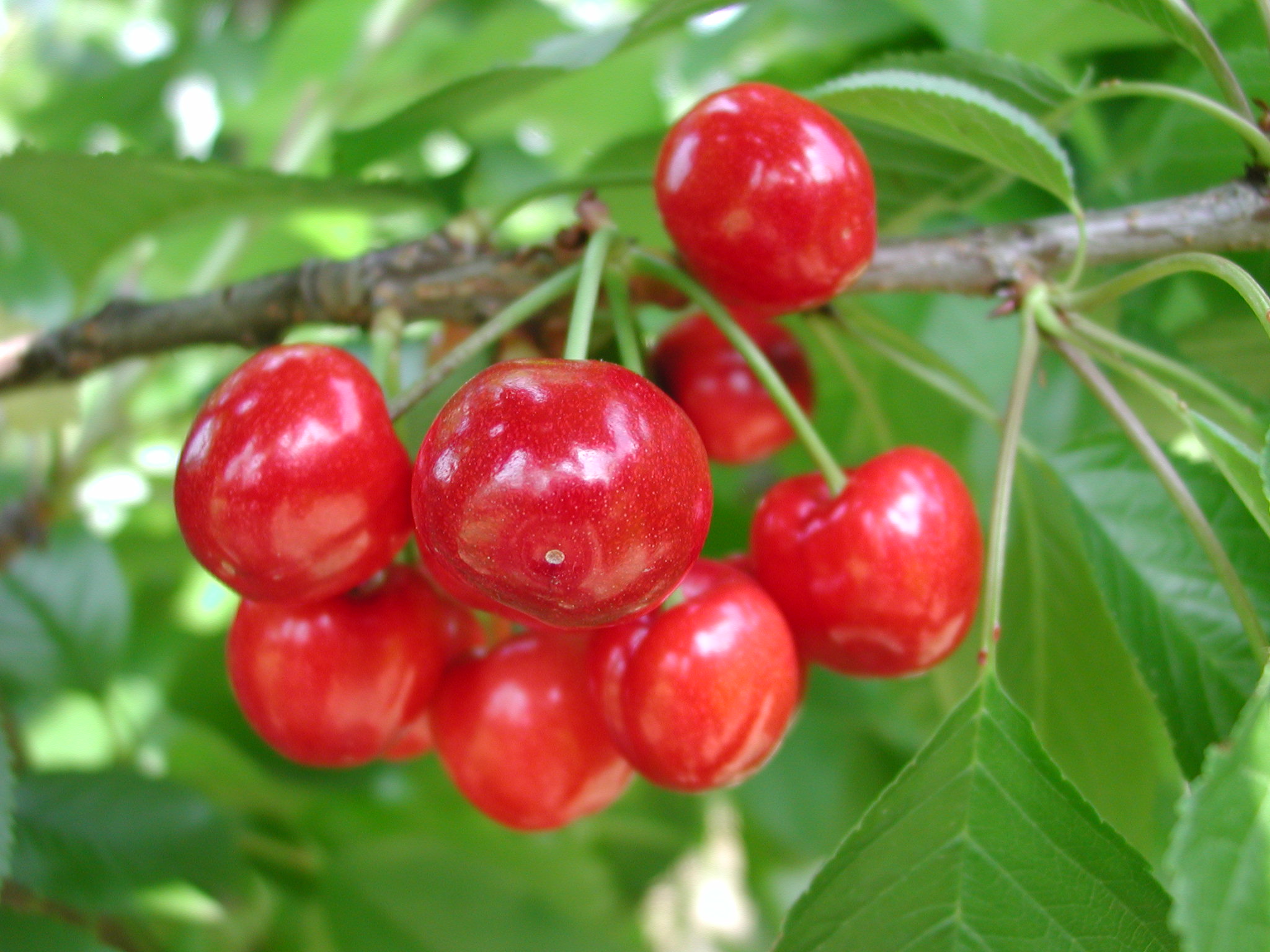
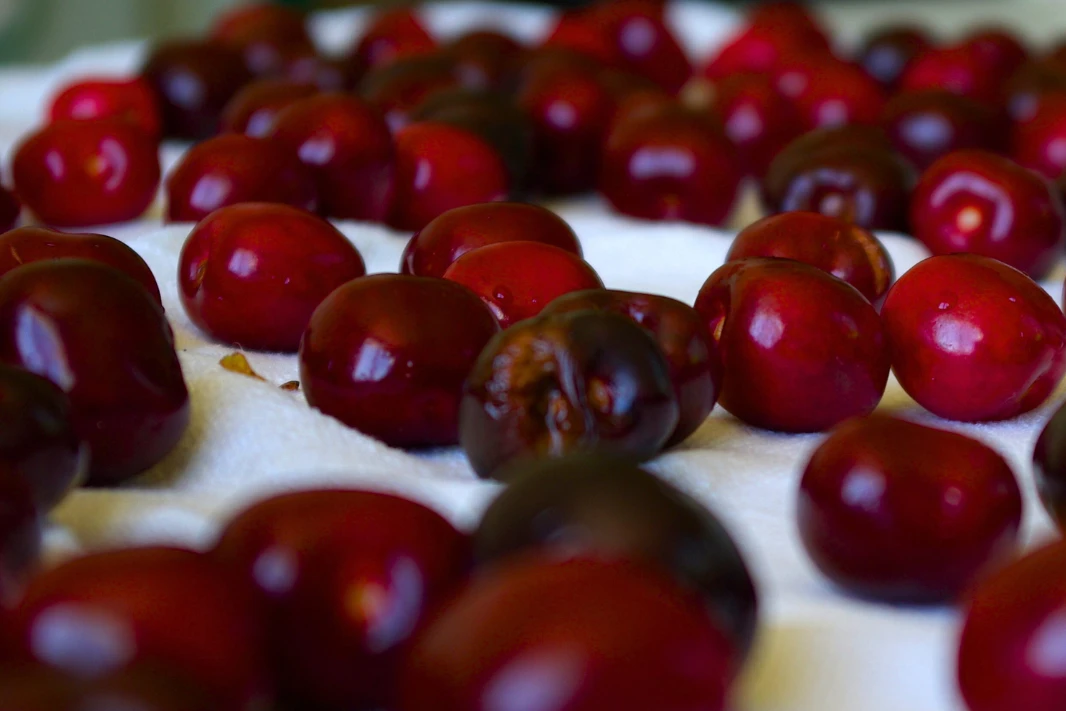
Chile is recognized worldwide for its cherry exports, but its expertise has now extended beyond its national borders. Production and harvesting have crossed the Andes Mountains to reach the county of Kent, England, through a project developed by Agrícola San Clemente together with Andrew Wallace, partner and director of FGA Farming Ltd.
The project has established itself as one of the leading operations in cherry production for the British market, combining technology, expertise and an innovative model for the mobility of seasonal workers.
Wallace told Portalfruticola.com that, when the farm was purchased in southern England, “the idea was always to develop a production project by leveraging our knowledge of the fruit industry and our proximity to the European market.”
Production systems
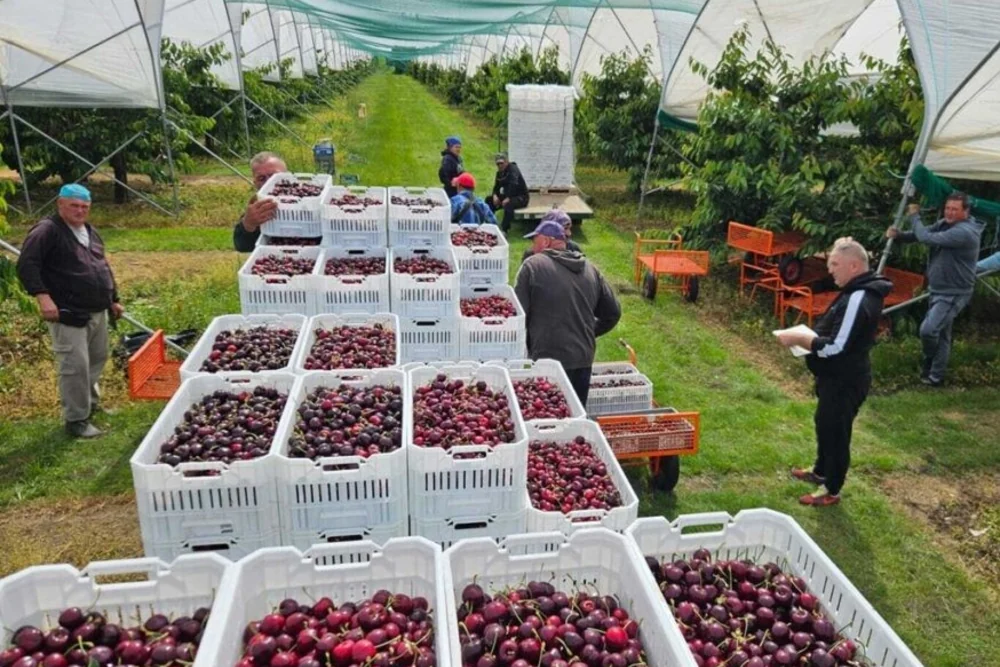
Initially, the farm had around 70 hectares of cherry orchards. This area gradually expanded to almost 100 productive hectares, all covered by protective tunnel systems.
The executive emphasized that Chilean experience in cherry growing provided an important foundation, while acknowledging that producing cherries in England involved completely different challenges.
“You might think that knowing how to grow cherries in Chile means you can do equally well in England, but the reality check was harsh. The English climate is not ideal for this crop and forces us to work differently,” Wallace said.
Protective tunnels
Unlike Chile, where covers are primarily used to protect fruit from rain, in England almost all production takes place inside large tunnels, structures similar to greenhouses. These systems help growers cope with frequent rainfall, but they also create challenges related to managing temperature and humidity.
Furthermore, the climatic conditions are more similar to those of southern Chile than to those of the country’s central region.
The British market
Wallace explained that the British industry historically harvested very ripe and soft fruit because it was intended for the domestic market. This trend, however, has begun to change.
“We have progressively improved our standards. Today, we harvest firmer fruit, and this characteristic has been appreciated by consumers. Production is becoming more similar to Chilean production, although we do not need to achieve the firmness levels required to withstand a journey of more than 20 days to Asia,” he observed.
The orchard currently produces varieties that are well known in the Chilean industry, including Kordia, Lapins and Regina, as well as Sweetheart and Skeena. It also grows several early French varieties and new late selections introduced to extend the marketing window.
Local market and exports
The project was originally launched with the intention of exporting part of its production, leveraging San Clemente’s commercial expertise. However, developments in the British market led the company to revise this strategy.
“For us, it has proved more profitable to sell in England than to export. We still ship some volumes to markets such as Dubai, Hong Kong, Germany and Spain, but the local market offers very attractive prices and also allows us to strengthen our relationships with supermarkets,” Wallace explained.
He also specified that the cherries produced are marketed mainly through direct relationships with the leading British supermarket chains, while only a small proportion is sold on the wholesale market.
Agricultural workers from Chile
Wallace recalled that the initiative to employ seasonal workers from Chile began with just 30 people, whereas today it involves around 100 workers per season.
“The benefits have been clear. Being able to rely on people who know how to harvest cherries improves productivity and planning. We know the working capacity of each team and can organize the entire harvest more effectively,” he said.
The program has also had positive effects for the workers, who can remain in England for around four months. They initially take part in the cherry harvest and then work in the apple orchards of nearby growers, thereby earning a second annual income under the wage conditions offered by the British market.
“They return home with considerable savings while also enjoying a completely different experience. It has been a highly beneficial relationship for both parties,” he added.
Growth and new challenges
FGA Farming Ltd is currently aiming to extend the British cherry season from the current 60–70 days to 100 days by introducing earlier varieties in Kent and, in the future, establishing new orchards in more northerly areas of England or even in Scotland.
The company is also assessing expansion opportunities in other European countries.
At the same time, one of the main challenges will be the complete integration of the production supply chain.
“Our goal is to have our own packing facility and cold-storage rooms in the future. We currently have to rely on external suppliers for these services, but we want to control the entire process, from the orchard to the final product,” Wallace concluded.
Image source: Portal Fruticola
Macarena Bravo
Portal Fruticola
Cherry Times - All rights reserved