Gene editing could change not only the way fruit and vegetables are grown, but also the experience of consumers at the table.
A recent analysis by WIRED highlights some of the most interesting applications of CRISPR technology in agriculture, with Pairwise among the companies working to develop crops that combine convenience, productivity and greater resilience.
From seedless blackberries to gene-edited cherries
One of the most significant examples concerns blackberries. Pairwise is working on the development of seedless and thornless fruit while also improving productivity. The goal is therefore to obtain traits that are useful both for growers and for those who buy and consume the product.
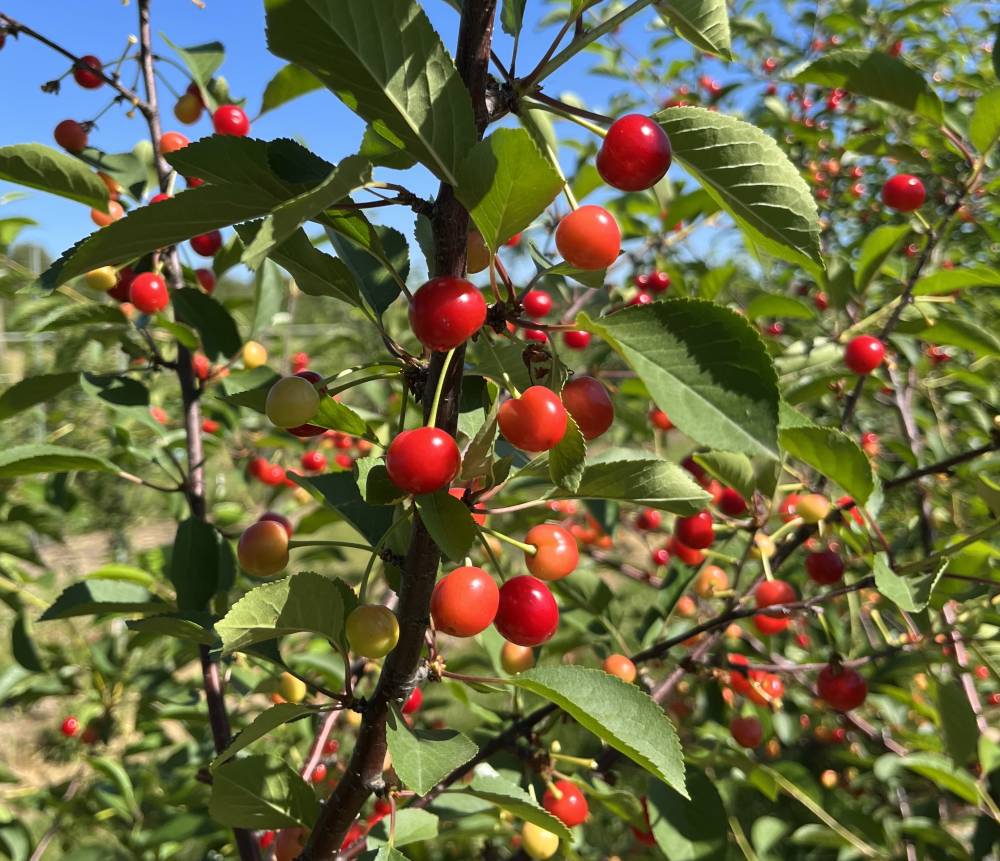
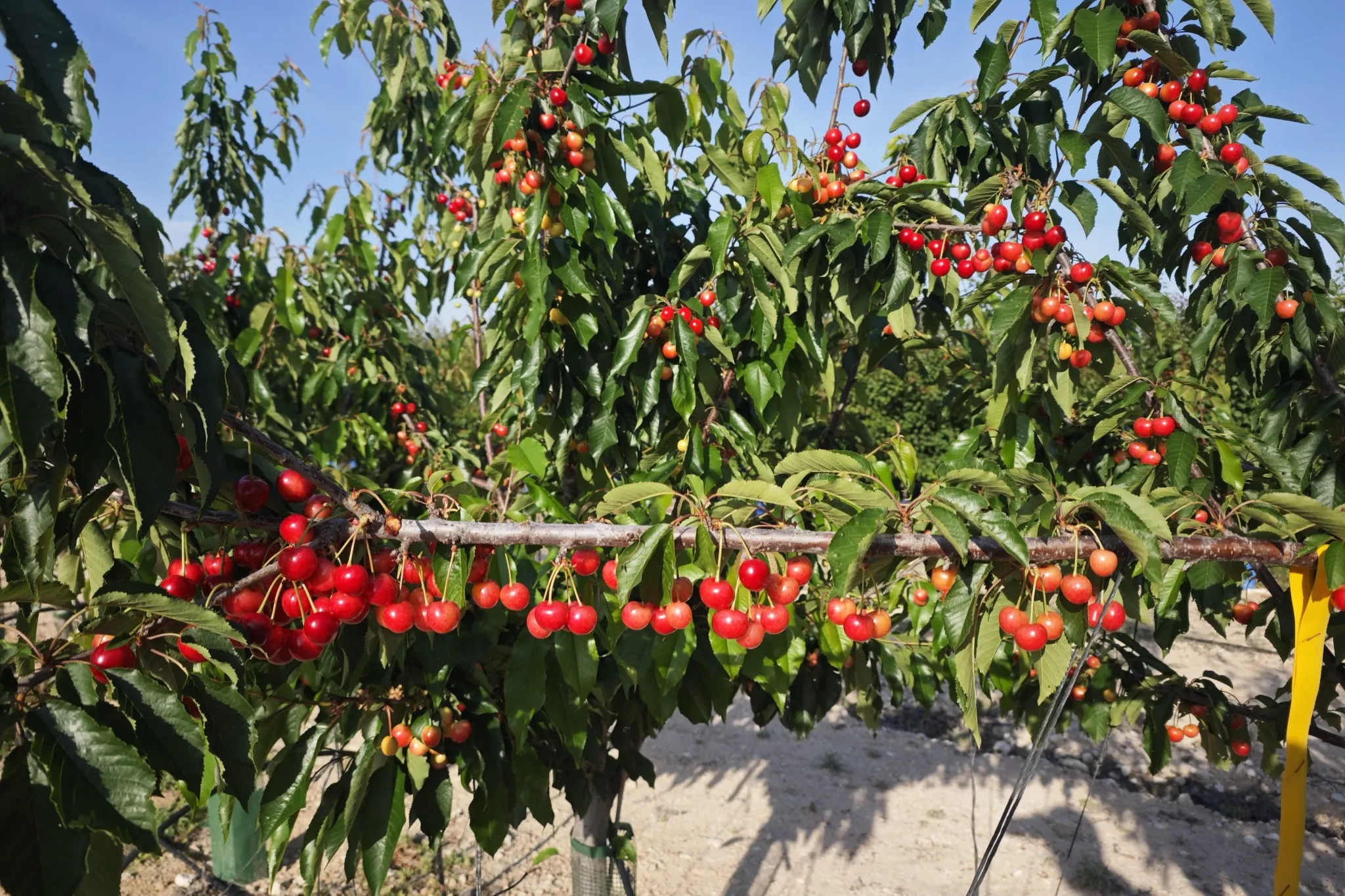
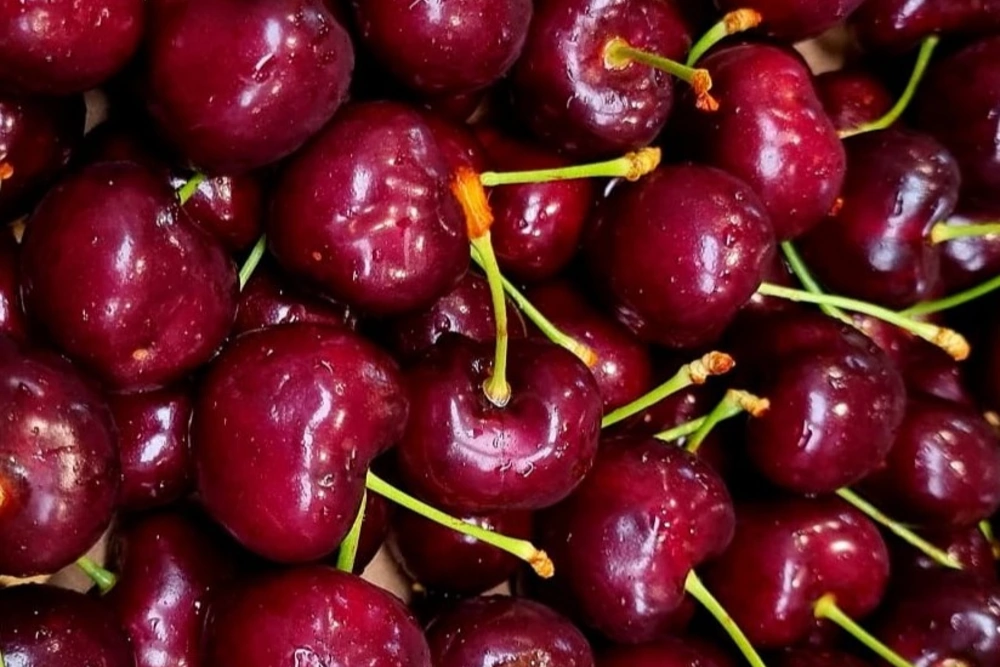
However, the company’s scope is not limited to blackberries. Pairwise is also exploring the application of gene editing to cherries, corn, peaches and other crops, seeking to introduce traits capable of meeting the needs of both agriculture and the market.
CRISPR accelerates crop improvement
The broader perspective goes far beyond making a fruit easier or more enjoyable to eat. CRISPR allows researchers to make targeted genetic changes much faster than traditional plant breeding programs.
This approach could make it possible to combine different traits in the same crop, such as higher yields, a greater ability to cope with heat and drought, disease resistance and improved post-harvest shelf life.
Looking ahead, technologies of this kind could help produce larger quantities of food while placing less pressure on land and other resources needed for agricultural production.
Partnerships and licensing at the heart of the strategy
Pairwise is not focusing exclusively on building its own brands aimed directly at consumers. Part of its strategy also relies on agreements, partnerships and technology licensing.
The company has worked with major players in agriculture, including Bayer and Corteva. At the same time, research collaborations are studying staple food crops modified through gene editing, with the aim of developing more resilient varieties for farmers in the most vulnerable regions.
This model could expand the adoption of CRISPR innovations, making the technology available to operators already active across different agricultural supply chains.
Costs, investment and consumers remain decisive factors
The potential of gene editing does not eliminate the obstacles that still separate research from large-scale commercial adoption. New crops will first need to reach farmers and consumers at economically viable prices.
This is compounded by the slowdown in investment in agricultural technologies compared with the levels reached in previous years. The issue of public acceptance also remains unresolved.
In many markets, crops developed through CRISPR have so far encountered fewer regulatory barriers than traditional genetically modified organisms.
However, this does not mean that concerns surrounding genetic modification are destined to disappear: consumer perception could play a decisive role in the speed of adoption of new products.
From scientific promise to the test of the market
CRISPR therefore emerges as an agricultural technology with considerable potential, although it is still in a phase of development and consolidation. Applications involving cherries, blackberries, peaches, corn and other crops show just how broad the scope of gene editing could become.
Turning these prospects into foods that are genuinely available on a large scale will require simultaneous progress across several areas: scientific research, the regulatory framework, capital, farmer adoption and consumer demand.
The real challenge in the coming years will be to bring these elements together, moving innovation from laboratories to fields and, ultimately, onto store shelves and dining tables.
Source: alimentcap.com
Image source: Stefano Luglio
Cherry Times - All rights reserved