Working in an integrated manner from harvest to shipment – harvesting at the optimal maturity stage, accelerating entry into cooling, and using technology as a complement – allows the product to reach its destination even 35 days after harvest, meeting both aesthetic and organoleptic requirements.
Cherries destined for the fresh market undoubtedly represent a major challenge in terms of storage and consumption, beyond the 35 days normally required for transport and marketing in destination markets.
The flagship product of Chilean fruit production has a distinctive characteristic: a higher respiration rate compared to other fruits stored at 0 °C. This promotes rapid postharvest senescence, reducing storage potential.
This is particularly relevant considering that fresh cherry quality in different markets is usually assessed upon arrival based on fruit size, skin color, firmness, sweetness, acidity, and the absence of visual defects and decay.
How can the storage period be maximized while minimizing deterioration?
As observed during export seasons, common forms of deterioration during storage include the incidence of mechanical damage (surface depressions, pitting and/or bruising), stem browning, flavor loss, and flesh breakdown caused by fungi, characterized by internal disorders such as flesh browning.
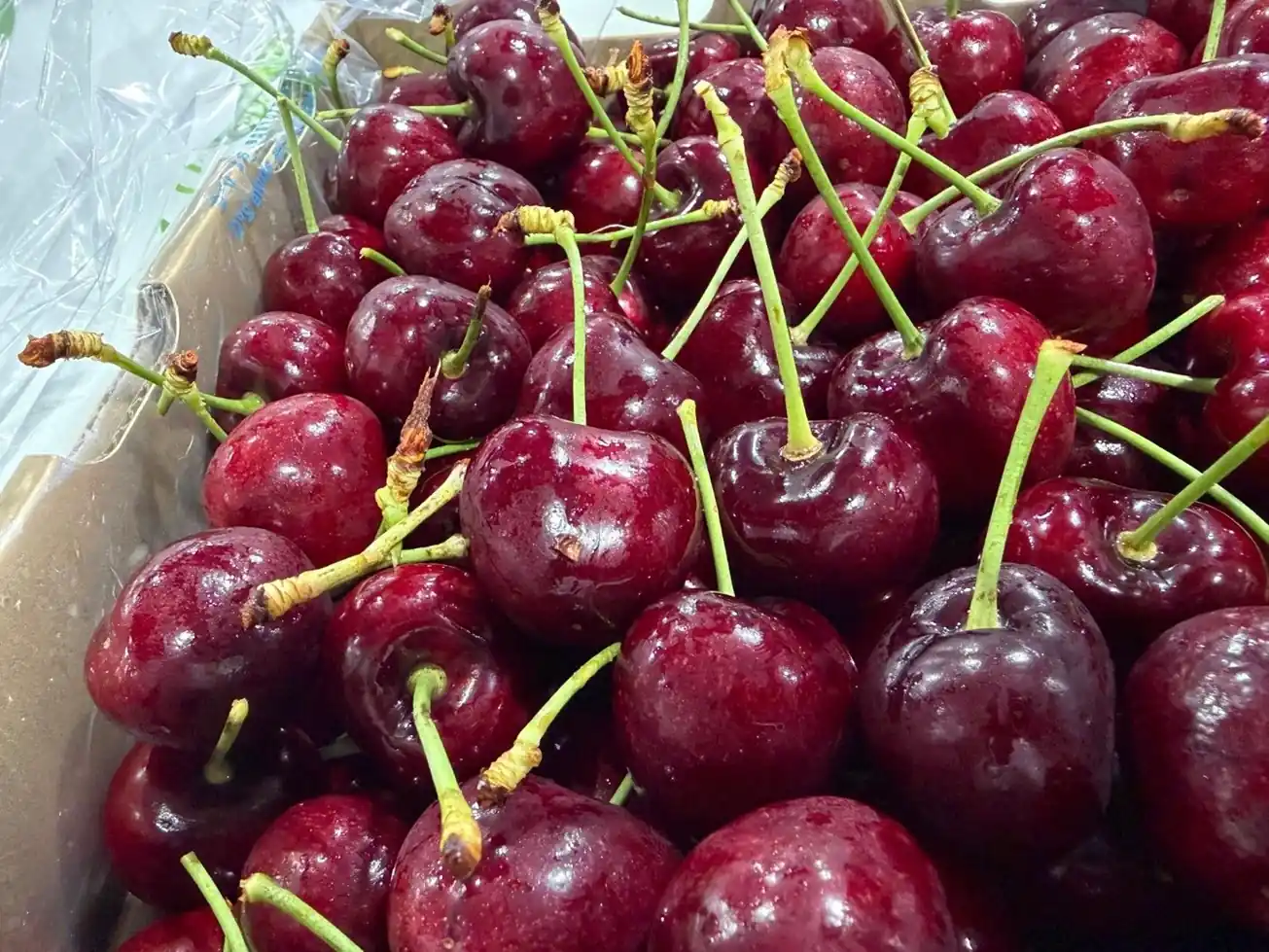
The start of the harvest process is critical. Carrying out this operation with maximum storage potential is essential. As cherries ripen, their color progresses from red to mahogany and finally to dark tones. It is important to understand how color is associated with flavor parameters and what the corresponding storage potential is.
Red fruits generally have good firmness, but may not yet have reached their full flavor potential. Dark-colored fruits, on the other hand, contribute to good flavor at harvest, but their storage potential is limited to just a few days and they are intended for rapid consumption. Therefore, the optimal harvest color lies in the mahogany shades.
One measure to be taken on harvest day is to ensure that fruits are removed from the trees with the utmost care to minimize bruising. Likewise, care must be taken to avoid crushing or impacting the fruit when placing it into containers during field transport or during transport to packing facilities.
Another deterioration parameter that can be affected on harvest day is stem condition. This herbaceous tissue can lose water, meaning that within a few days its color will change from green to brown, and green is a key sales attribute. Therefore, it is essential that fruit be transferred to hydrocooling as quickly as possible. This not only reduces water loss, but also lowers respiration through cold water, helping to maintain quality during storage.
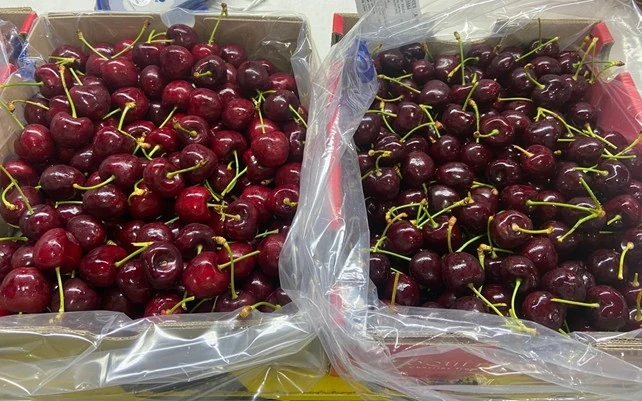 Dark-colored fruits have a storage potential of only a few days. The optimal harvest color lies in the mahogany shades.
To maintain quality during long-term storage, the most important technology is undoubtedly refrigeration. From harvest, as mentioned earlier, fruit must be rapidly transferred to hydrocooling, where within minutes pulp temperature is reduced from over 20 °C to below 6 °C. This minimizes physiological respiration processes. Consequently, refrigeration becomes the best ally for quality preservation; therefore, processing speed and maintaining pulp storage temperatures below 0.5 °C are critical.
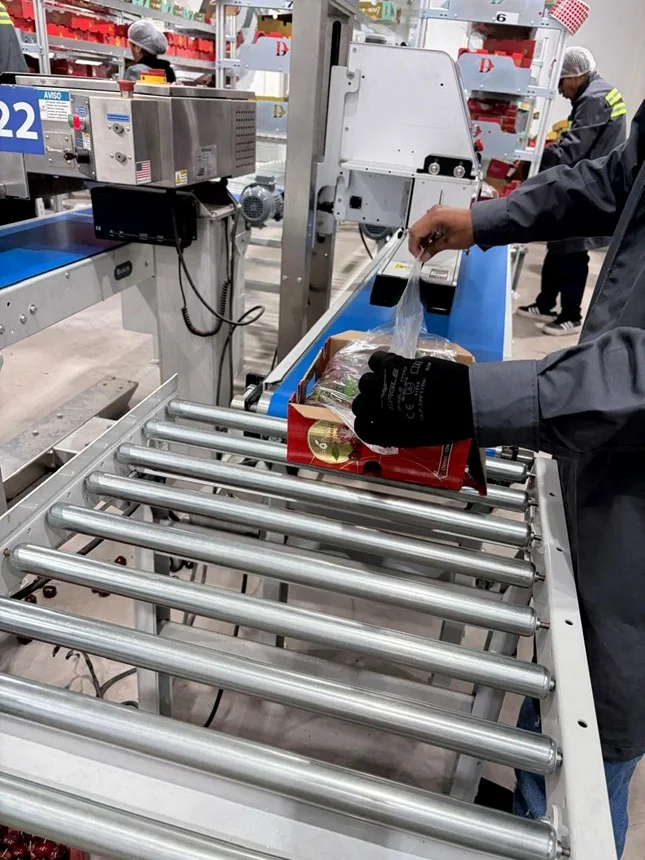
As a complementary technology, modified atmosphere (MA) bags are used. At first glance, they appear to be simple transparent plastic bags; however, they incorporate essential technology. These materials are designed to be transparent so the fruit remains visible, but they act as barriers to O2 and CO2, minimizing gas movement through the material. This results in a modified internal atmosphere due to respiration inside the package: O2 decreases and CO2 increases, further reducing fruit respiration.
As a complementary effect, MA packaging increases humidity, helping to reduce weight loss and improve stem condition.
The implementation of this technology requires very strict control of the sealing process, which in Chile is typically carried out using heat sealing, and impeccable cold chain management. If fruit is stored at temperatures above 1 °C, the technology can become counterproductive, as gas composition may reach levels that generate undesirable odors and flavors.
The above indicates that low-temperature management is essential for cherry preservation and for achieving the required quality.
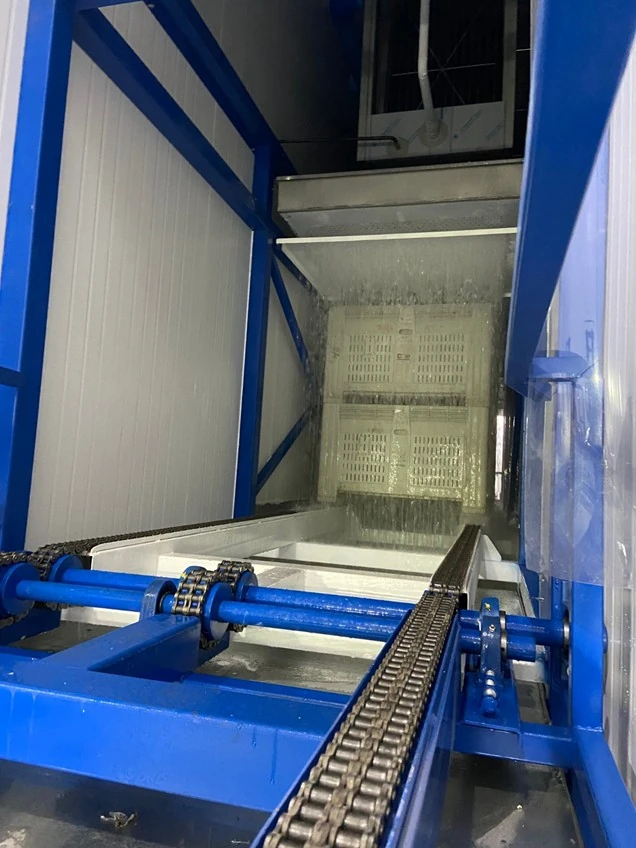 Cold storage is essential to maintain quality during long-term storage. After harvest, fruit must be rapidly cooled, reducing pulp temperature from over 20 °C to below 6 °C.
Fruit rots
Another significant issue is the development of rots, making it essential to manage fruit health in the orchard and carry out appropriate sorting during processing. This involves removing damaged fruit and other defects that may allow fungal entry, such as open wounds and bruises. In addition, when using MA technology, it is important to avoid condensation inside the bag, as this can create excessive humidity and lead to rots or cracking.
Condensation occurs when packaged fruit remains at a temperature below 4 °C for several hours. It is important to note that during processing, to reduce the incidence of mechanical damage on packing lines, fruit temperature is usually increased to between 5 and 8 °C and the bag is sealed at ambient temperature (around 15 °C). After packaging, fruit must be cooled again, a process carried out in rapid air-cooling tunnels. This requires the accumulation of a sufficient volume of fruit, and it is precisely during this waiting period, often extending to at least 7 hours, that maximum attention is required to prevent the formation of free water through condensation.
Jessica Rodríguez
Postharvest consultant, founding partner of TrioKimün
Francisca Barros
Postharvest consultant, founding partner of TrioKimün
Source: Mundoagro Magazine, Cherry Special, 2025
Opening image source: Stefano Lugli
Cherry Times – All rights reserved