Resilience key factor for cherry rootstocks
01 May 2023
A thoughtful choice of rootstock allows cherry trees to grow moderately, with a good dwarfing effect, produce well and adapt to critical conditions without compromising cherry quality.
The first experiences with cherry breeding at the VSUO in Holouvosy in the Czech Republic date back to the late 1960s. The main variety selected from this programme is Kordia, which in recent years has become one of the world's leading varieties in the medium-late ripening period, mainly due to its high fruit quality standards.
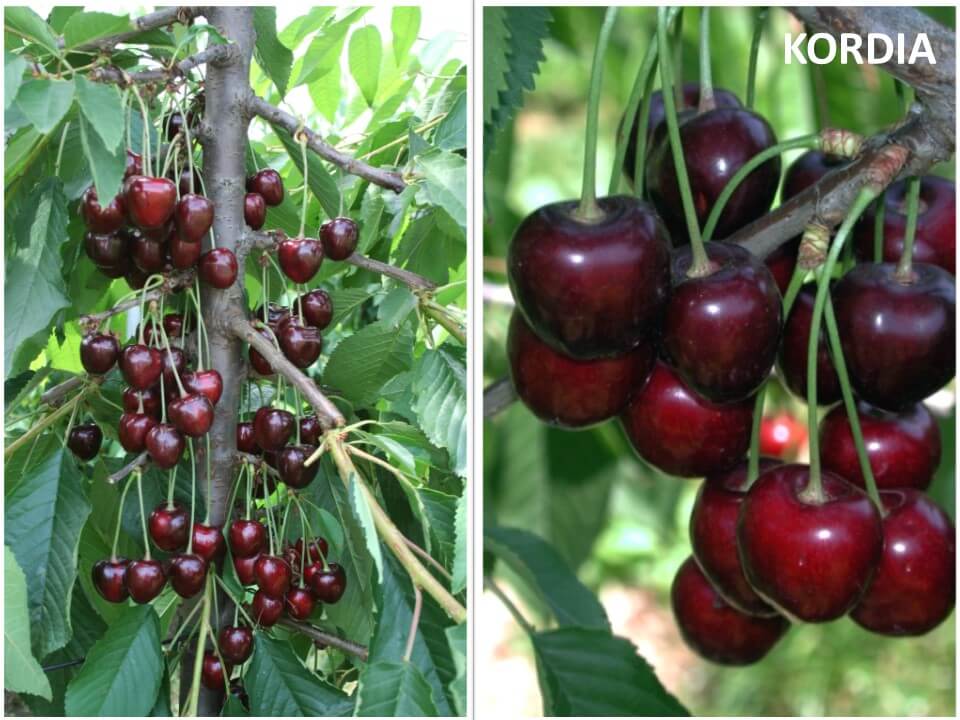
The primary objectives of the WSUO programme are cherry quality (size, texture and colour), resistance to cracking and rot, shelf life and plant productivity. MAS technologies are used in the breeding programme for the early selection of genotypes on several traits: self-fertility, spring frost resistance, drought and climate change tolerance and low chilling requirements.
WSUO, besides Kordia, has commercially propagated 28 cherry varieties. The best known are Early Korvik, Christiana, Felicita, Irena, Justyna, Kasandra, Tamara, Techlovan, Tim and Vanda.
Below is the report of Lubor Zelený, cherry breeding project manager at WSUO in Holouvosy, presented at the workshop on cherry variety innovation at Macfrut 2023.
01 May 2023
A thoughtful choice of rootstock allows cherry trees to grow moderately, with a good dwarfing effect, produce well and adapt to critical conditions without compromising cherry quality.
12 Feb 2026
Peru is testing commercial cherry production in highland regions such as Arequipa, Junín and Cajamarca, targeting the Chinese market and leveraging the Chancay mega port. First export volumes may arrive in 2026, but the crop remains highly technical and climate-sensitive.
01 May 2026
Sweet cherry cracking significantly impacts yield and market quality. Research highlights the key role of pectins and calcium in cell adhesion and tissue stability, offering valuable insights to reduce fruit splitting and improve orchard management strategies.
01 May 2026
Fruit cracking in cherry trees in India can cause losses of up to 85%, affecting quality and market value. This article examines physiological and environmental causes and highlights effective strategies, from irrigation to nutrient management, to reduce damage.