Cherry Times is pleased to publish an extract of the reports presented at the International Congress "Which biosolutions for quality cherries?" at Macfrut 2024.
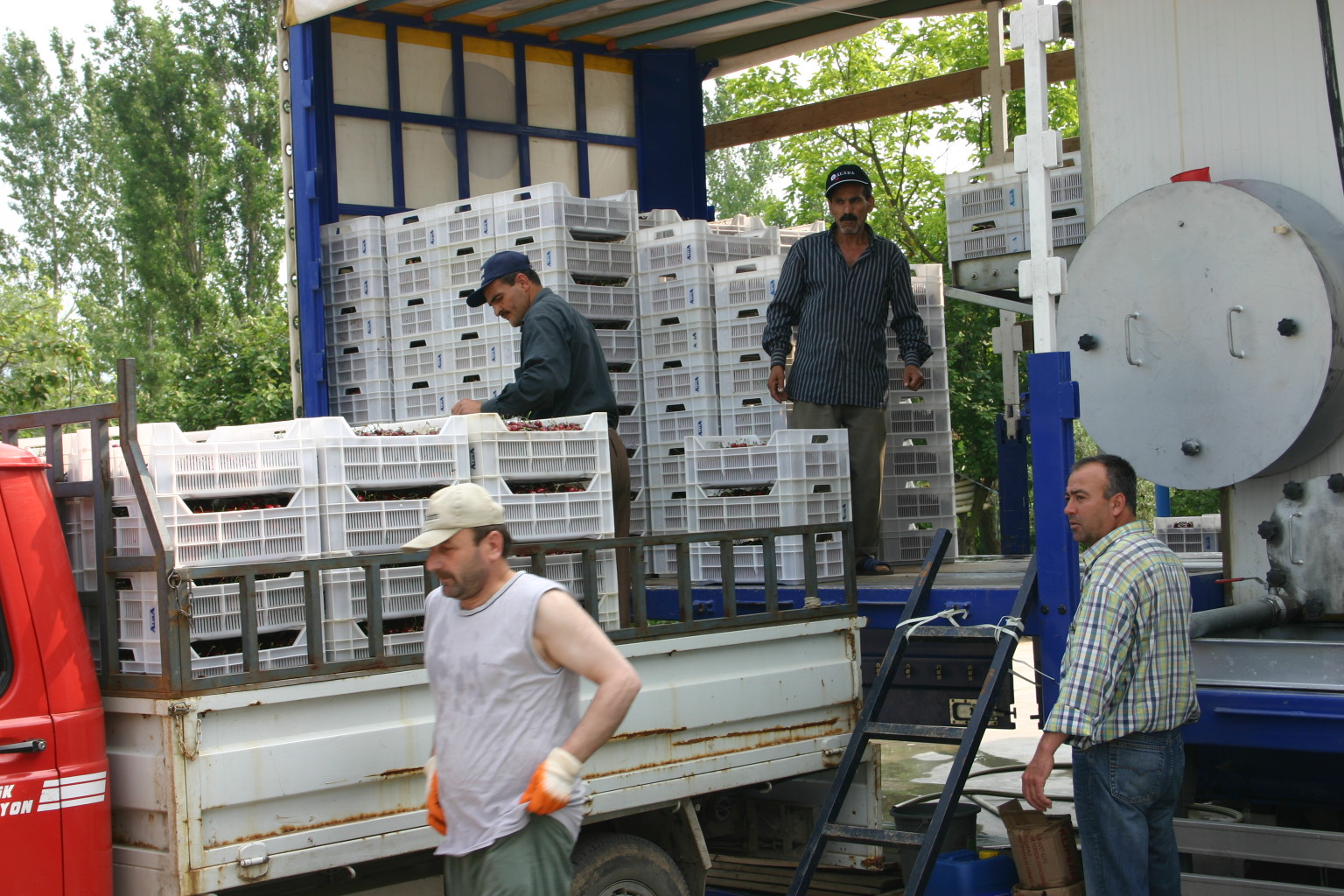
Turkey is the biggest country in the World for cherry production. Main variety grown in Turkey is a variety named 0900 Ziraat. Alara is the biggest cherry grower in Turkey with 220 ha of cherry orchard located in 3 different areas for Early to Late production out of peak season.
As a cherry producer Alara started to face with different dynamics those are emerging since last 10 years time and threatening the future of the business. Actions for sustainable production are becoming more and more important and necessary. The facts those are potentially making an impact for both ways on production can be summarized as follows:
- Climate
- Water
- Soil Structure
- Solar Radiation
- Biopesticides (Leaf Roller, Red Mite, Monilia, Capnodis)
- Energy
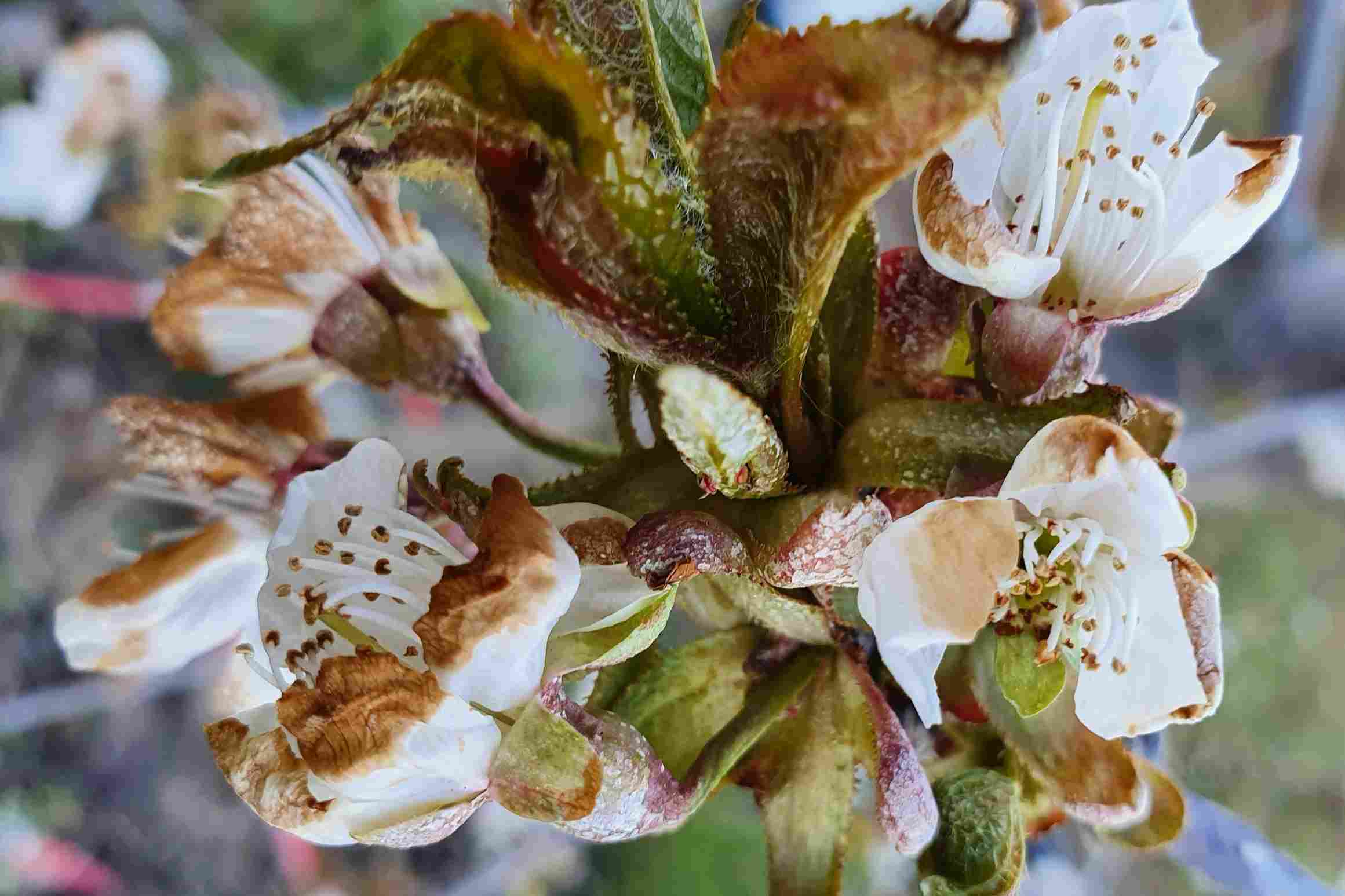
Climate related risks are minimised by using agricultural Technologies and tools. Wind machines, candles, hail cannons, hail nets are some of those used effectively in Turkey. Using water efficiently is very important as water sources are becoming unstable every year because of the negative impacts of global warming.
For providing efficient water use, a technology named Smartmoles is becoming widely used in Türkiye which operates with artificial intelligence and manages the irrigation system. Other important point is to improve soil structure which will potentially bring minimized chemical fertilizer use improved yield and quality as well as improved microbial activity, flora and fauna.
Leaf and fruit burn due to solar radiation is observed to a certain level but practices like shading and kaolin treatments are helping to minimize potential adverse effects. However vegetative growth improvement and limited generative growth is obsereved as an output of that practices.Increased trend of solar radiation measured since last couple of year.
Biopesticide use is also a fact that helps creating sustainable production as well as producing food safe product. For these targets biopasticides and traps are started to use in cherry production in Türkiye. Green energy use on production is important for creating a velue for minimizing global warming and Alara is using Solar panels and responding the energy needs of the farming operation.
Commercial and production figures are given during the technical meeting and available on the presentation shared. Studies for biosolutions for creating a sustainable production is keep moving in Turkey and Turkey is open to cooperate with related parties.
To download the report's PDF click here
Belit Balcı
Alara Tarim A.S, Bursa, Türkiye
Cherry Times - All rights reserved