Size and colour: two key indicators of cherry quality

23 Nov 2026
10

November 23, 2026
Jesus Alonso, El Mundo de la Cereza

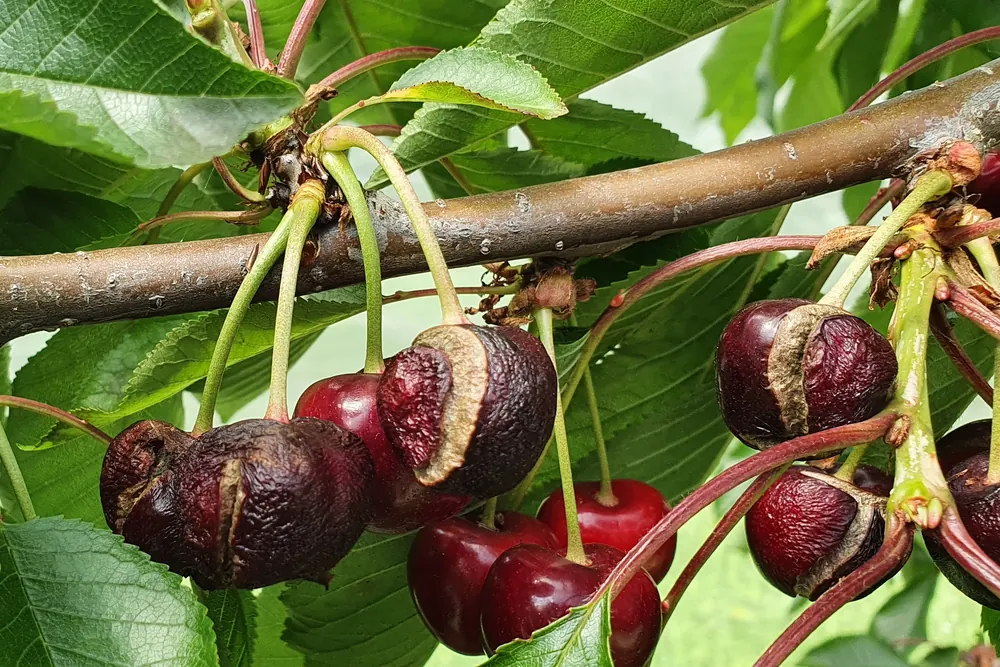
Cracking management starts before the rain: it begins with the choice of plant material and continues with the regulation of growth and crop load. As discussed in the first instalment, susceptibility develops as the fruit grows, and wetting can trigger a localised loss of integrity. Surface expansion, microcracking and the mechanical properties of the skin help explain why two cherries exposed to water may respond differently (Brüggenwirth and Knoche, 2016; Winkler et al., 2020; Knoche et al., 2025).

The agronomic implications are clear: the orchard needs to reach maturity with a less vulnerable variety combination and a crop load and water supply that are suitable, allowing fruit to reach commercial size. Trials show that rootstock can reduce damage in some varieties, that heavy thinning can increase it, and that irrigation affects both cracking and fruit size. The preferred choice is therefore the one that improves the balance between yield, integrity and fruit size, rather than maximising just one of these factors (Measham et al., 2012; Tersoglio and Setien, 2022; Blanco et al., 2022).

Varietal susceptibility

The first decision is to favour less susceptible varieties where rain regularly threatens the crop. Their advantage may come from greater fruit resistance under comparable exposure, or from a ripening period that avoids rainy events. Both reduce damage, but only the first describes intrinsic tolerance. Distinguishing between the two helps guide selection: field performance shows the local outcome, while trials using consistent wetting conditions help determine how much depends on the fruit itself (Measham et al., 2009; Winkler et al., 2020). Differences in the mechanical properties of the skin documented between ‘Regina’ and ‘Burlat’ provide a physiological basis for interpreting part of this varietal variation (Brüggenwirth and Knoche, 2016).

[...]

Want to know more? The full article is reserved for subscribers to the Cherry Times newsletter! Sign up for free to receive each new exclusive in-depth article directly in your inbox and stay up-to-date with quality advice and analysis. Don't miss this unique opportunity!

Sign up for free to the Cherry Times newsletter


Cherry Times - All rights reserved


What to read next

Metabolomics as an analytical approach to evaluate different sweet cherry cultivars

Quality

06 Feb 2026

A study in China's Shanxi province compares 4 sweet cherry cultivars using untargeted metabolomics, revealing key differences in nutritional profile, physical traits and consumer preference. Focus on Huangmi, Tieton, Pioneer and Sunburst varieties.

11 natural ways to protect fruit trees and vegetables from blackbirds without chemicals

Crop protection

04 Nov 2025

Protect your fruit trees and vegetable beds from blackbirds with 11 safe and proven methods. No chemicals—just smart use of barriers, visual and sound deterrents, and seasonal strategies to defend your garden harvest while preserving wildlife balance.

In evidenza

Size and colour: two key indicators of cherry quality

Tech management

23 Nov 2026

Cherry cracking depends on variety, rootstock, crop load and irrigation. Trials in Chile, Spain and Oregon show how to balance water and fruit size to protect marketable production, taking local conditions and the response of variety–rootstock combinations into account.

The Chinese cherry market could see significant price fluctuations in the run-up to the New Year celebrations

Tech management

23 Nov 2026

Rain and hail in Chile are lowering cherry crop estimates, as China prepares for Lunar New Year on 6 February 2027. With potentially tighter supply and festive demand arriving earlier, the market could avoid last season’s oversupply, but prices remain uncertain for now.

Tag Popolari