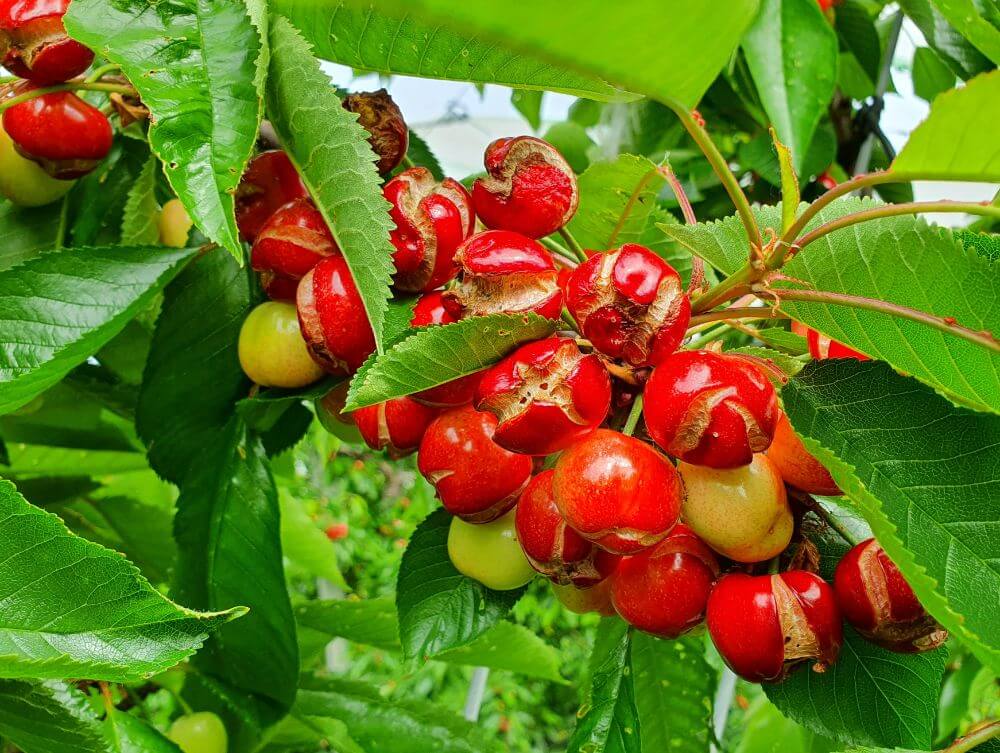
A study conducted in southern Bulgaria between April and June 2025 investigated the presence of phytophagous insects in the monitored cherry orchards.
This was deemed necessary due to the increasing pressure exerted by insect pests, particularly several Diptera species belonging to the families Tephritidae and Drosophilidae.
Their presence can compromise fruit quality, reduce the commercial value of the crop, and make the phytosanitary management of cherry orchards more challenging.
To draw reliable conclusions, the researchers combined information available in the scientific literature with data collected directly in the field.
The monitoring activity involved both the use of yellow sticky traps, which are particularly effective for detecting adult insects, and visual inspections of the fruit.
The aim was to identify the main Diptera species associated with cherry cultivation and to assess their actual presence throughout the different stages of the production season.
In this context, monitoring harmful insects plays a crucial role. Knowing which species are actually present in a given area, when they emerge, and which environmental conditions favour their development makes it possible to implement control measures in a more timely and targeted manner, while also reducing the indiscriminate use of plant protection products.
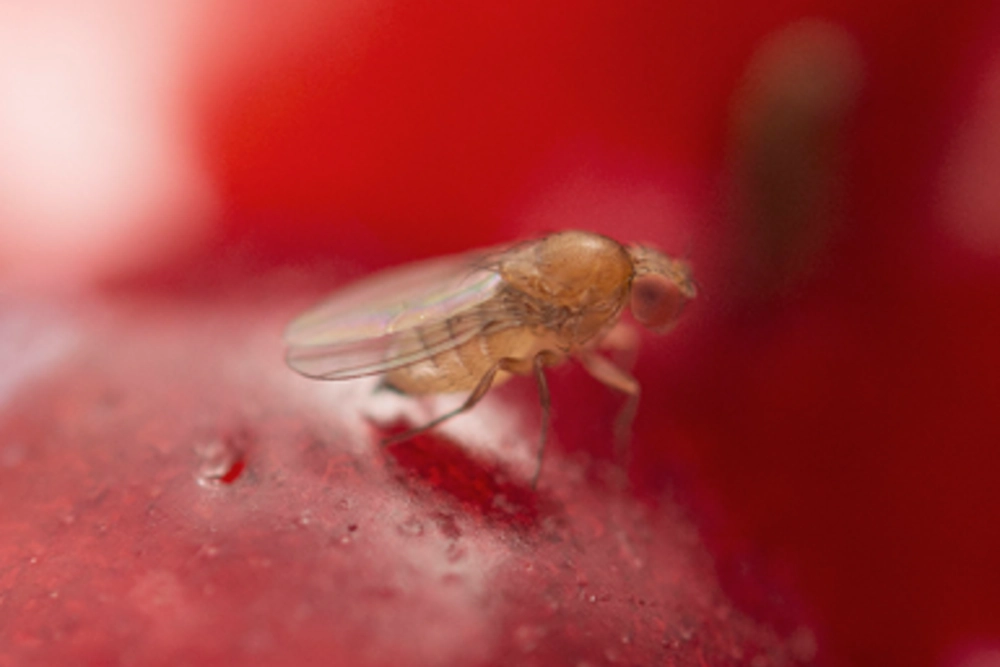
Presence of Rhagoletis cerasi
The results confirmed the presence of Rhagoletis cerasi, commonly known as the European cherry fruit fly. This species produces a single generation per year, and its impact is primarily associated with egg-laying in ripening fruit.
The resulting larvae develop inside the cherries, causing direct damage and compromising the quality of fruit intended for consumption.
A particularly interesting finding was the absence of other species belonging to the genus Rhagoletis and, most notably, of Drosophila suzukii, a species that has become one of the major concerns for numerous fruit crops in recent years.
Climatic conditions and identification
Its absence from the monitored orchards may be associated with the specific climatic and phenological conditions of the study area, which may have influenced its presence, population dynamics, and the synchronization between insect development and fruit ripening.
Nevertheless, this aspect deserves further investigation through longer-term monitoring.
To make species identification easier and more reliable, the study also provides a dichotomous identification key based on morphological characteristics, together with a diagnostic table summarizing the main distinguishing traits.
Sustainable cherry orchard management
Tools of this kind can prove particularly valuable not only for research purposes, but also for technicians, agronomists, and professionals involved in the day-to-day management of orchards. The most important message of the study therefore goes beyond the simple identification of a harmful species.
In an agricultural sector increasingly influenced by climate change and shifting pest dynamics, monitoring means anticipating the problem.
Continuous surveillance, early detection, and targeted management strategies are essential tools for developing cherry production systems that are more sustainable, effective, and capable of adapting to emerging phytosanitary challenges.
Source: Ivanov, P. (2026). Species composition, biology, and phytosanitary status of Diptera damaging sweet cherry: overview and monitoring results in Central Southern Bulgaria. ENTOMOLOGIA HELLENICA, 35(1), 63–79. https://doi.org/10.12681/eh.42433
Image source: PHYS Elora Gompel
Melissa Venturi
Ph.D. in Agricultural, Environmental, and Food Sciences and Technologies – Fruit Tree Physiology and Cultivation - Bologna, Italy
Cherry Times - All rights reserved