One of the scientific challenges facing agriculture is developing more resilient crops, but it is sometimes overlooked that this goal can go hand in hand with improvements in the color and flavor of fruit. Fortunately, a new study conducted in Spain has achieved both results in cherries.
Sweet cherry cultivation is particularly challenging, as a single episode of heavy rainfall before harvest can damage the fruit. However, researchers from the Miguel Hernández University (UMH) of Elche have tested a natural solution to this problem.
The key lies in applying polyamines before harvest. These substances occur naturally in plants and are involved in their development. Their application increased yield, reduced damage, and improved the firmness, color, and flavor of sweet cherries.
How cherry yield and flavor improved in the scientific trial
The treatments involved spraying the tree leaves with aqueous solutions of putrescine and spermidine at concentrations of 0.01, 0.1, and 1 millimolar.
The researchers applied the treatment at three key stages of fruit development: during pit hardening, at the beginning of color development, and four days before harvest.
In 2022, the treated trees produced up to 40% more cherries. Yield increased from 17.5 kilograms per tree in untreated specimens to 25.5 kilograms in trees treated with a 0.01 millimolar solution of putrescine and spermidine.
The increase resulted from the greater size and number of fruit. The improvement was therefore not merely aesthetic, but directly affected crop yield.
The second season presented an even more demanding test: in May 2023, 156 millimeters of rain fell, creating a particularly dangerous situation for cherries due to the risk of cracking. Despite this, the results were positive.
Major agricultural breakthrough: Elche scientists improve cherry yield and flavor
Artificial intelligence has already been used to improve the flavor of foods such as strawberries, but the research conducted in Elche achieved significant results in cherries using only natural substances.
Cherries have a high commercial and nutritional value, but they are extremely sensitive to rainfall events, especially close to harvest.
The research group worked with two commercial cultivars, Sunburst and Skeena, applying two polyamines: putrescine and spermidine. The aim was to determine whether these compounds could benefit the crop before harvest.
The results were positive, highlighting improvements in cherry productivity, appearance, and flavor. Another relevant aspect is that the trial was conducted directly in the field, at a commercial orchard in Alcoy, in the province of Alicante, on trees without rain protection systems.
The study was published in the journal Scientia Horticulturae under the title Putrescine and spermidine preharvest treatments improve crop yield, resistance to rain-induced cracking and fruit quality traits in sweet cherries. The authors are Jenifer Puente-Moreno, Fernando Garrido-Auñón, María E. García-Pastor, María Serrano, and Daniel Valero.
Why the UMH breakthrough could help improve sweet cherry cultivation
In untreated trees, approximately 50% of Sunburst cherries and 20% of Skeena cherries developed cracks. In trees treated with polyamines, damage was considerably reduced, especially in the Skeena cultivar.
If these results were also confirmed on a large scale, they could significantly change the work of growers by reducing losses and increasing the chances of preserving a marketable crop.
The treated fruit also showed greater firmness, an important characteristic for transportation and cold storage.
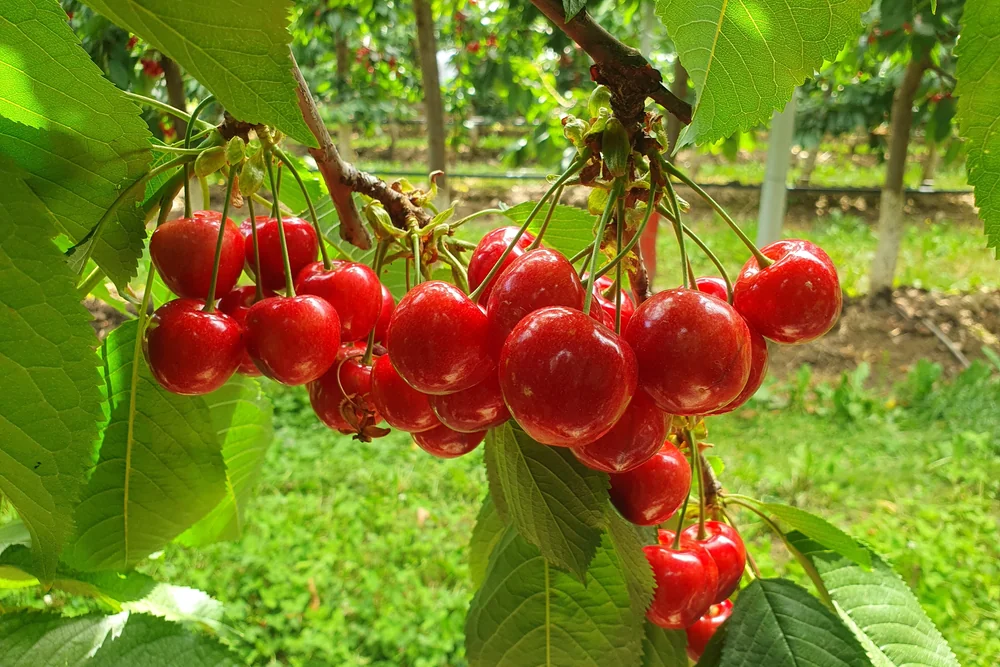
Significant changes also emerged from a commercial perspective: the cherries displayed a more intense red color, while their phenolic compound content increased in both cultivars analyzed.
Finally, flavor improved thanks to a slight increase in acidity, which helped make the fruit’s sweetness more balanced, while sugar content remained at similar levels.
Source: www.portalagrochile.cl
Image source: Stefano Lugli
Cherry Times - All rights reserved