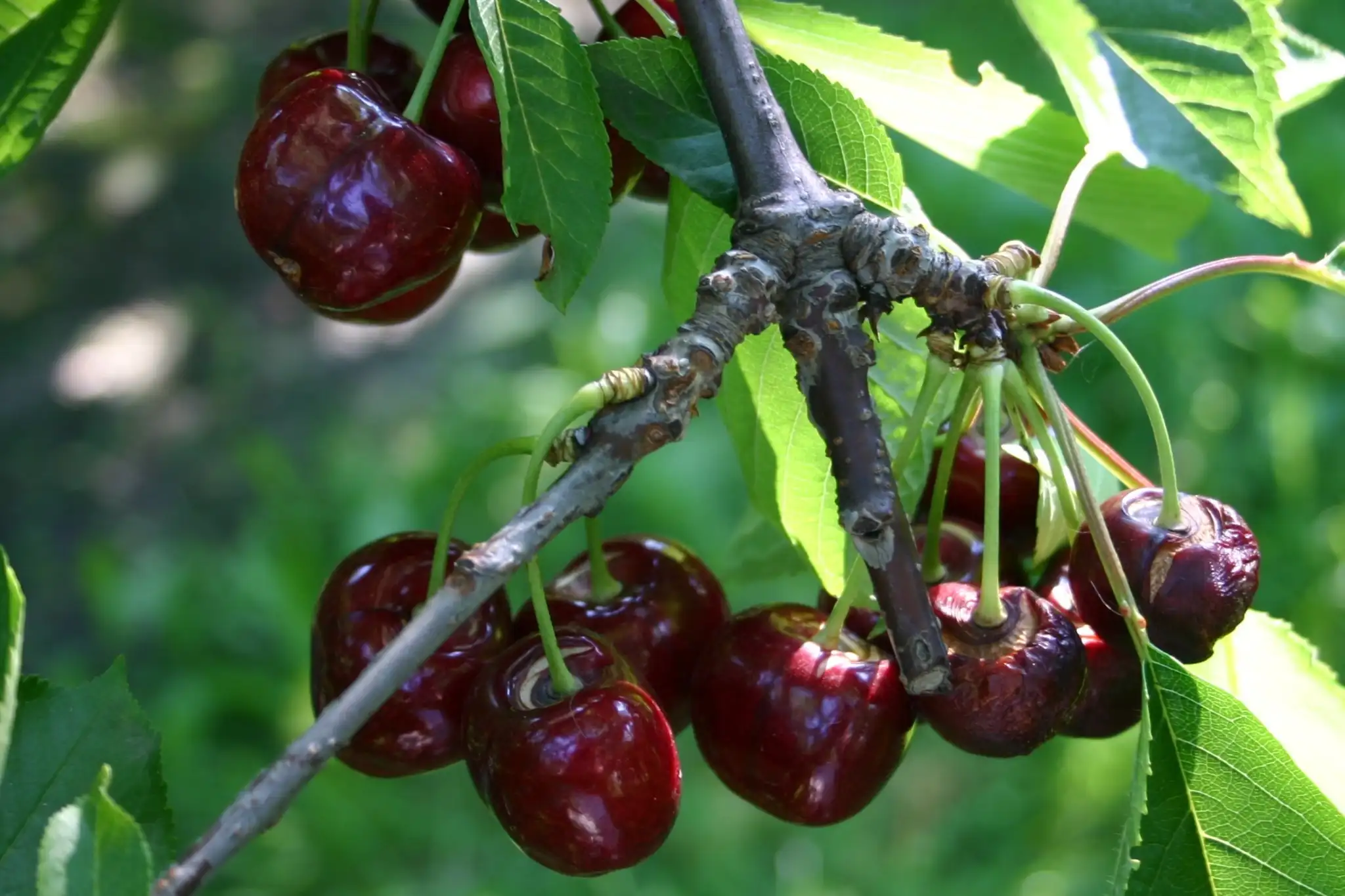
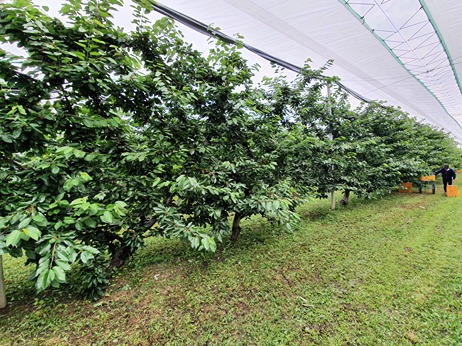
Fruit juice clarification directly affects the visual quality, microbiological stability, sensory properties, and shelf life of the final product. In the case of juices rich in bioactive compounds, such as sour cherry juice, the benefits extend even further: besides ensuring clarity and uniformity, the process also helps preserve the polyphenols, anthocyanins, and antioxidants responsible for the beverage’s nutraceutical properties.
In recent years, growing interest in less invasive and more sustainable processing technologies has encouraged the development of membrane-based operations, which are increasingly viewed as a valid alternative to conventional multistage treatments involving centrifugation, traditional filtration, and chemical clarifying agents. Microfiltration techniques, in particular, allow processing at low temperatures and with reduced energy consumption while maintaining the nutritional quality of the juice.
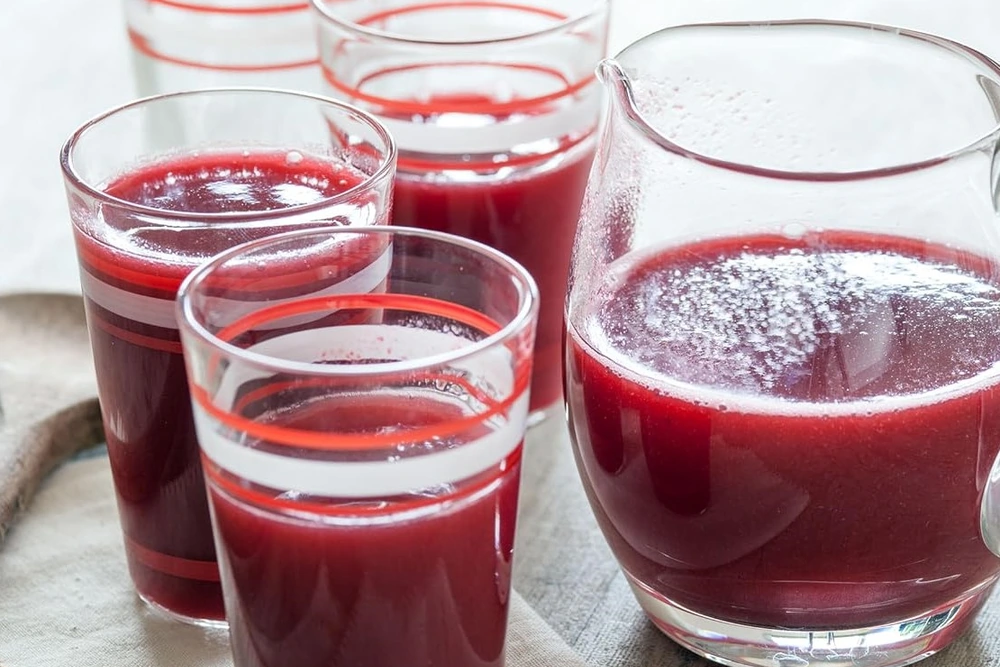
However, the efficiency of membrane systems is severely limited by membrane fouling, namely the progressive accumulation of particles and macromolecules on the membrane surface or within its pores. This phenomenon causes a decline in permeate flux, an increase in hydraulic resistance, and higher operational and cleaning costs.
Enzymatic pretreatment
The article published in Chemical Engineering Communications investigates fouling formation during sour cherry juice clarification, focusing specifically on the effect of enzymatic pretreatment using pectinase. The researchers compared pectinase-treated and untreated juice samples using a flat-sheet polyethersulfone (PES) membrane with a pore size of 0.4 μm.
Experimental trials were carried out at different permeate fluxes ranging from 8 to 52 L m−2 h−1 and under relatively low transmembrane pressures between 0.03 and 0.35 bar. To quantitatively interpret the fouling behavior, the study employed Darcy’s law to divide the total hydraulic resistance into three main components: resistance caused by surface cake formation, resistance associated with membrane pore blockage, and the intrinsic resistance of the fluid itself.
This analytical framework enabled the researchers to evaluate how operating conditions and enzymatic pretreatment influenced filtration performance. The results indicate that permeate flux is the dominant factor affecting all hydraulic resistance components.
Fouling mechanisms
As flux increases, the formation of a surface deposit layer becomes the prevailing fouling mechanism regardless of enzymatic treatment. In other words, under high operating conditions, fouling is mainly governed by particle accumulation on the membrane surface.
Enzymatic pretreatment, however, significantly alters the distribution of fouling mechanisms: it reduces fluid-related resistance while increasing resistance linked to pore blocking. This behavior suggests that pectinase degrades pectin structures into smaller particles that are more capable of penetrating membrane pores.
A major contribution of the study is the development of a multiscale model capable of simultaneously describing cake formation and pore blockage. Model parameters were optimized using experimental data, resulting in strong predictive accuracy.
Multiscale model
In particular, the model achieved determination coefficients of 0.99 for untreated juice and 0.82 for enzymatically treated juice, demonstrating a reliable representation of the observed fouling dynamics. Overall, the study provides valuable insights for optimizing membrane-based clarification processes for sour cherry juice.
A deeper understanding of hydraulic resistances and fouling mechanisms may support the design of more efficient and sustainable filtration strategies for the food processing industry.ù
Source: Mohammadi, M., Helchi, S., Emamshoushtari, M. M., Chaaben, A., Niakan, S., Rahaie, N., … Pajoum Shariati, F. (2026). Effect of enzymatic pretreatment and different fluxes on membrane fouling resistances during sour cherry juice filtration. Chemical Engineering Communications, 213(8), 1577–1589. https://doi.org/10.1080/00986445.2026.2613277
Image source: Whole Food Market
Melissa Venturi
Ph.D. in Agricultural, Environmental, and Food Sciences and Technologies – Fruit Tree Physiology and Cultivation - Bologna, Italy
Cherry Times - All rights reserved