Following the passing of Andrea Bernardi, two well-known figures from the agricultural world have taken the lead of Vignola’s fruit consortia. Continuity, innovation, and cohesion are the core values of this new phase.
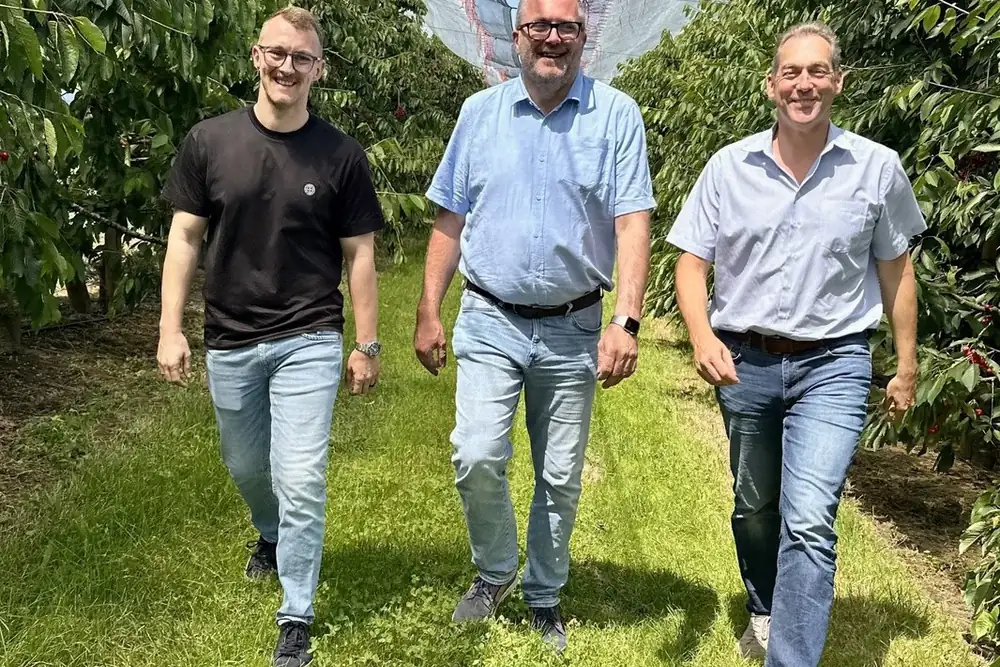
Leadership changes mark a new chapter for Vignola’s fruit consortia, with a handover that bridges memory and future. After the death, last September, of Andrea Bernardi — a historic figure and authoritative guide of the area’s two main consortia — the new presidents have been officially appointed: Pier Giorgio Lenzarini for the Vignola PGI Cherry Protection Consortium and Stefano Cavani for the Cherry, Plum and Typical Fruit Consortium of Vignola.
A dual presidency to ensure stability and vision
Andrea Bernardi marked an era for Modena’s fruit-growing sector, leading for nearly twenty years the mixed consortium for cherries, plums, and typical fruits. It was under his leadership, following the PGI recognition of the Vignola cherry, that the consortium dedicated specifically to its protection and promotion was founded.
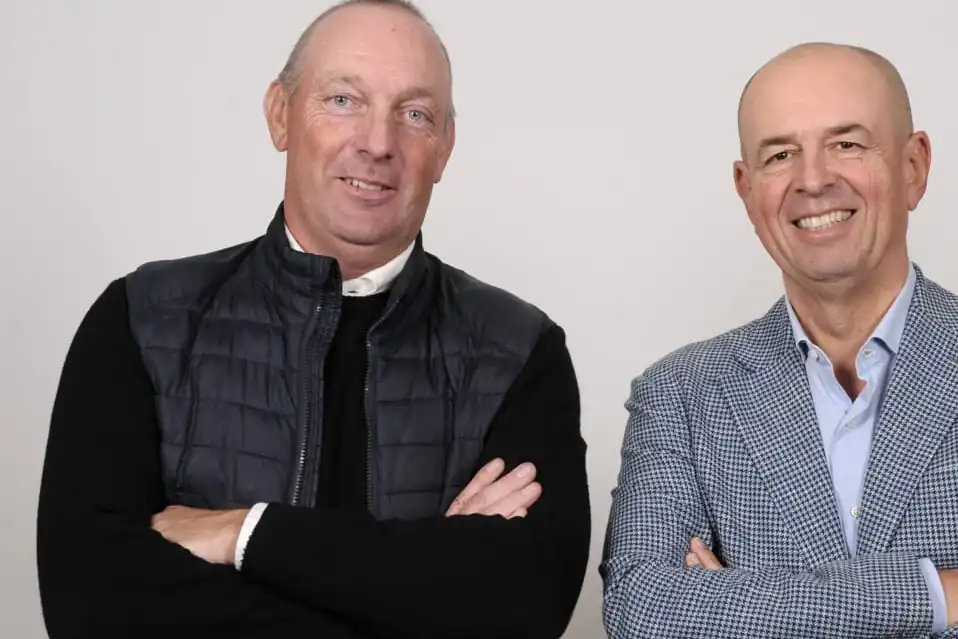
The legacy of the PGI Consortium presidency is now carried forward by Pier Giorgio Lenzarini, 61, a farmer from Valsamoggia and vice president of Agrintesa, who has chosen to share the leadership with Stefano Cavani as vice president.
“It’s not easy to follow in the footsteps of someone who built everything from scratch,” said Lenzarini. “Bernardi managed to unite over 80% of local production, involving every link in the supply chain, from field to market. His ability to mediate and foster dialogue remains a benchmark for all of us.”
Cavani: focus on varietal research and sustainability
The presidency of the mixed consortium has been entrusted to Stefano Cavani, 54, a fruit grower from Spilamberto, former president of the Provincial Phytosanitary Consortium of Modena, Coldiretti executive, and board member of Cantina Settecani. He will be joined in the vice presidency by Lenzarini and Giampaolo Pelloni.
Cavani outlined a clear direction: “We will continue Bernardi’s work in unity, supporting growers on key issues such as profitability and generational renewal. We’ll keep investing in varietal trials, focusing on innovative rootstocks and protective coverings. Early fruiting will be one of our priorities to meet evolving market demands.”
An integrated system looking ahead
The management will remain unified: both consortia will continue to operate under the coordination of director Walter Monari, maintaining an integrated and coherent vision of the entire fruit sector. The Vignola system — where producers often grow both cherries and plums — thus confirms itself as a model of virtuous integration and territorial enhancement, appreciated even at the European level.
At a time of major challenges for agriculture, the new governance aims to combine the solid foundations built by Bernardi with a renewed drive toward innovation, experimentation, and community cohesion. With its renewed leadership, Vignola reaffirms its vocation for excellence within the Italian fruit sector.
Source: www.modenatoday.it
Image source: Consorzio ciliegia Vignola
Italian Berry – All rights reserved