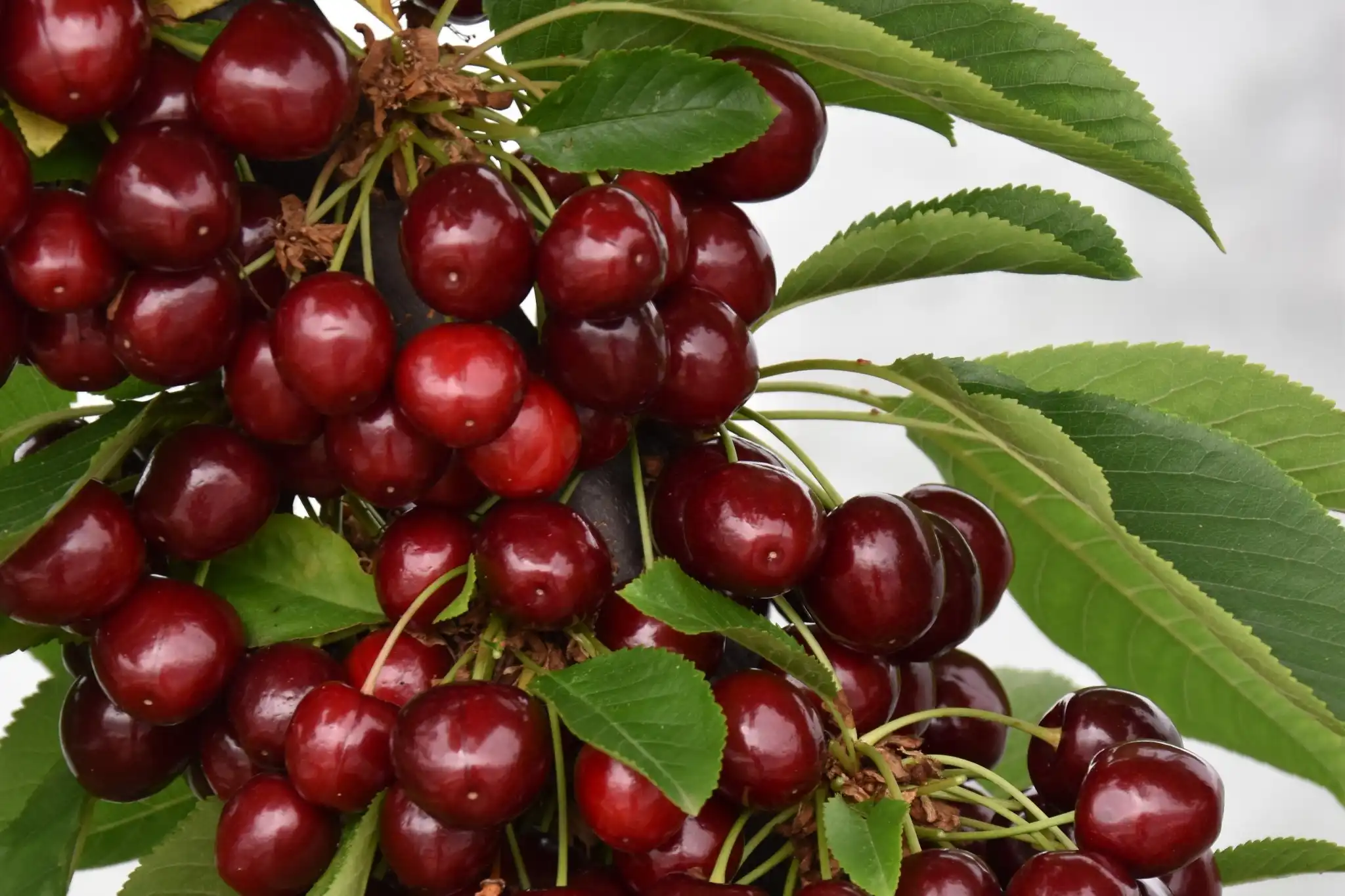
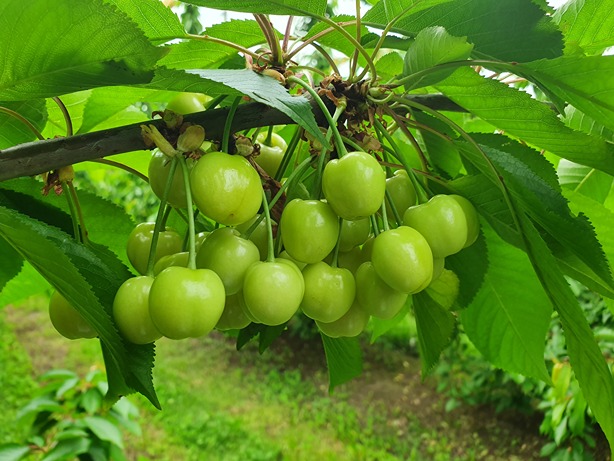
If the weather conditions remain the same, between the 43rd and 44th weeks of this year (from October 20 to November 2), the first cherries from the Middle Valley of the Río Negro will reach the Chinese market. These will be the earliest varieties in the region and will arrive in the Asian giant at a time when the price per kilogram of this fruit could reach 60 dollars, with good size and quality.
The main competitor for Argentine cherries during this window into the Chinese market is another giant, but from Latin America: Chile, which is expected to manage total exports for the current season of over 450,000 tons. A significant volume, representing more than 60 times the exportable supply of Argentine cherries.
The neighboring country enters the Chinese market with a significant volume of early harvests, achieving prices with very high returns. In these key early weeks (from the 42nd to the 48th), an offer ranging from 10,000 to 20,000 tons is expected. Although a small percentage (3%) of Chile's total volume, it is important in terms of potential competition from other countries looking to take advantage of this commercial window with high prices.
However, this season, the first supply from the Middle Valley of the Río Negro will have a great opportunity, as many northern Chilean regions producing early cherries will not be able to reach China by air, meaning they will enter after the 50th week via Asian ports.
This is the case for the region of Ovalle and its surroundings due to the presence of the fruit fly, a quarantine pest for the Chinese market, among others. "Practically all areas are under quarantine, except for one grower located outside the 27.2-kilometer range. Most of them will have to seek alternative markets in China," said Jorge Astudillo, production director of Agroindustrial Valle Arriba de Ovalle, in an interview with +P.
He explained that the pest "is in its second generation. We must remember that there need to be three generations without captures for the quarantine to be lifted." He added that "the quarantine might be lifted by the end of October or in the first days of November, as indicated by the office of the Agricultural and Livestock Service of Ovalle."
The advisor stated that companies are already operating as if China were blocked for air shipments, ensuring that "we are looking at other destinations where the fruit can be sent, such as Europe, the United States, the Middle East, Mexico, or South Korea. This is the only alternative we see today for the earliest fruit, to take advantage of it and ideally obtain the early fruit prices."
The first early cherries come from this Andean region, and for this season, the hope was to export everything by air to the Chinese market, aiming for the valuable price window of the first weeks of October.
“The potential, I would say, will be around 1,500 tons because, of course, the new orchards planted between 2020 and 2022 are starting to produce, and perhaps they will have their first production this year, adding to the orchards that have been in production since before 2020,” said Jorge Astudillo.
Although the supply coming from the Middle Valley of the Río Negro in the weeks mentioned will be marginal in terms of volume, but of excellent quality, it is expected to fetch good prices in the Chinese market, especially considering that the Chilean supply will decrease in the current season during this early cherry window.
Source: Portal del Campo
Image: SL Fruit Service
Cherry Times - All rights reserved