The postharvest preservation of sweet cherries remains one of the major challenges in the supply chain, as these fruits are characterized by high respiratory activity and a strong susceptibility to dehydration, browning, firmness loss, and fungal decay.
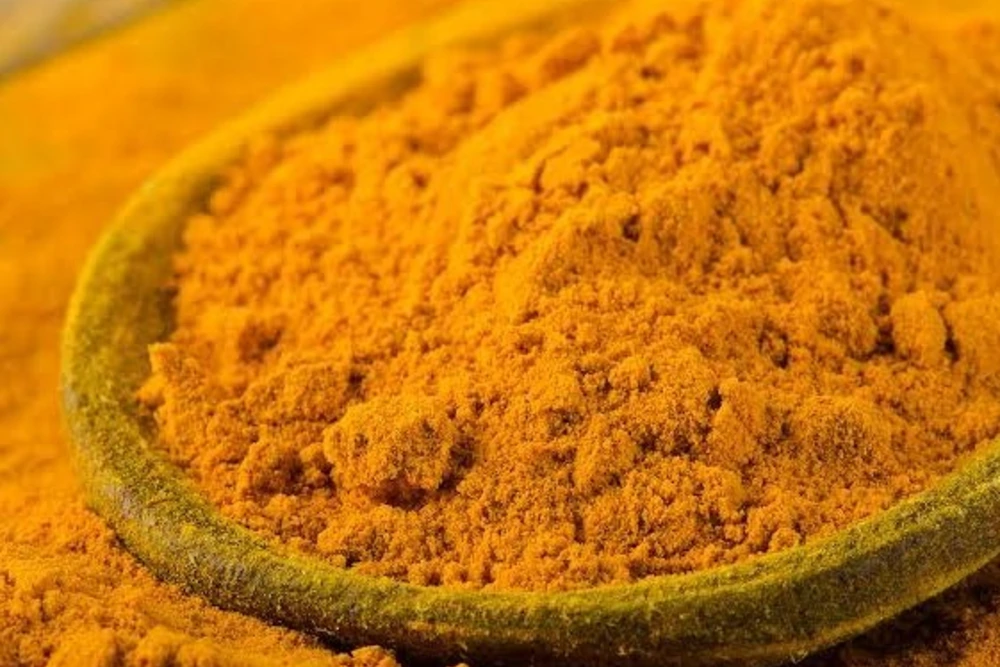
In this context, increasing attention is being directed toward packaging solutions capable of combining environmental sustainability with effective quality preservation. A recent study developed a novel biodegradable packaging system based on polybutylene adipate terephthalate (PBAT) film, integrating two complementary strategies: an inner coating containing curcumin, well known for its antioxidant and antimicrobial properties, and laser-generated microperforations to create a microporous modified atmosphere packaging (MMAP) system. The aim was to exploit the synergistic effect of the controlled release of bioactive compounds and optimized gas exchange to extend the shelf life of sweet cherries.
The functionalized film exhibited high antioxidant activity, with a substantial increase in free radical scavenging capacity compared with untreated PBAT. At the same time, the introduction of laser-generated microperforations significantly enhanced gas permeability without compromising the mechanical properties of the packaging material.
This combination maintained an optimal balance of oxygen and carbon dioxide inside the package, preventing the development of anaerobic conditions responsible for the accumulation of undesirable metabolites and the rapid deterioration of fruit quality.
Film performance
Storage trials conducted at room temperature for 12 days demonstrated that the curcumin-enriched MMAP system was the most effective treatment for preserving the commercial quality of sweet cherries.
Skin browning was significantly delayed owing to enhanced peroxidase activity, which was more than twice that of the control, together with an improved ability to limit the accumulation of reactive oxygen species.
Consequently, the fruit retained higher brightness, maintaining a fresher and more attractive visual appearance.
At the same time, the new packaging limited internal moisture loss to approximately 2.2%, helping preserve firmness, flesh elasticity, and overall sensory quality.
Quality during storage
Decay incidence was also markedly reduced, decreasing by more than 50% compared with conventional PBAT film and by approximately 33% compared with curcumin coating alone.
The functionalized packaging also slowed the consumption of sugars and organic acids, resulting in better retention of soluble solids, titratable acidity, and aroma profile.
Analysis of volatile compounds revealed that cherries stored in the curcumin-based MMAP system maintained an aromatic bouquet much closer to that of fresh fruit, while reducing the formation of ethanol and other compounds responsible for the fermentative off-flavors associated with anaerobic respiration.
From a technological standpoint, the curcumin coating improved the thermal stability of the material and provided long-lasting antioxidant protection, whereas laser microperforation ensured efficient regulation of gas exchange without affecting the mechanical integrity of the packaging.
Sustainability and application
Another important aspect concerns the economic sustainability of the system. The additional cost compared with conventional biodegradable film was minimal, while the reduction in product losses during commercialization resulted in a highly favorable cost-benefit ratio.
Overall, the study demonstrates that integrating biodegradable packaging, natural bioactive compounds, and laser microperforation technology represents a highly promising strategy for improving the postharvest preservation of sweet cherries.
This approach effectively extends shelf life while maintaining visual quality, firmness, nutritional value, and aroma, offering a solution that is fully compatible with current sustainability requirements and with the prospects for large-scale industrial application.
Source: Zuo, Zhijie, et al. (2026). Biodegradable polybutylene adipate terephthalate packaging with dual-functionality: Synergistic effects of curcumin coating and laser micro-perforation on sweet cherry preservation. Food Packaging and Shelf Life, 55, 101748. https://doi.org/10.1016/j.fpsl.2026.101748
Image source: Eyepharma
Andrea Giovannini
PhD in Agricultural, Environmental and Food Science and Technology - Arboriculture and Fruitculture, University of Bologna, IT
Cherry Times – All rights reserved