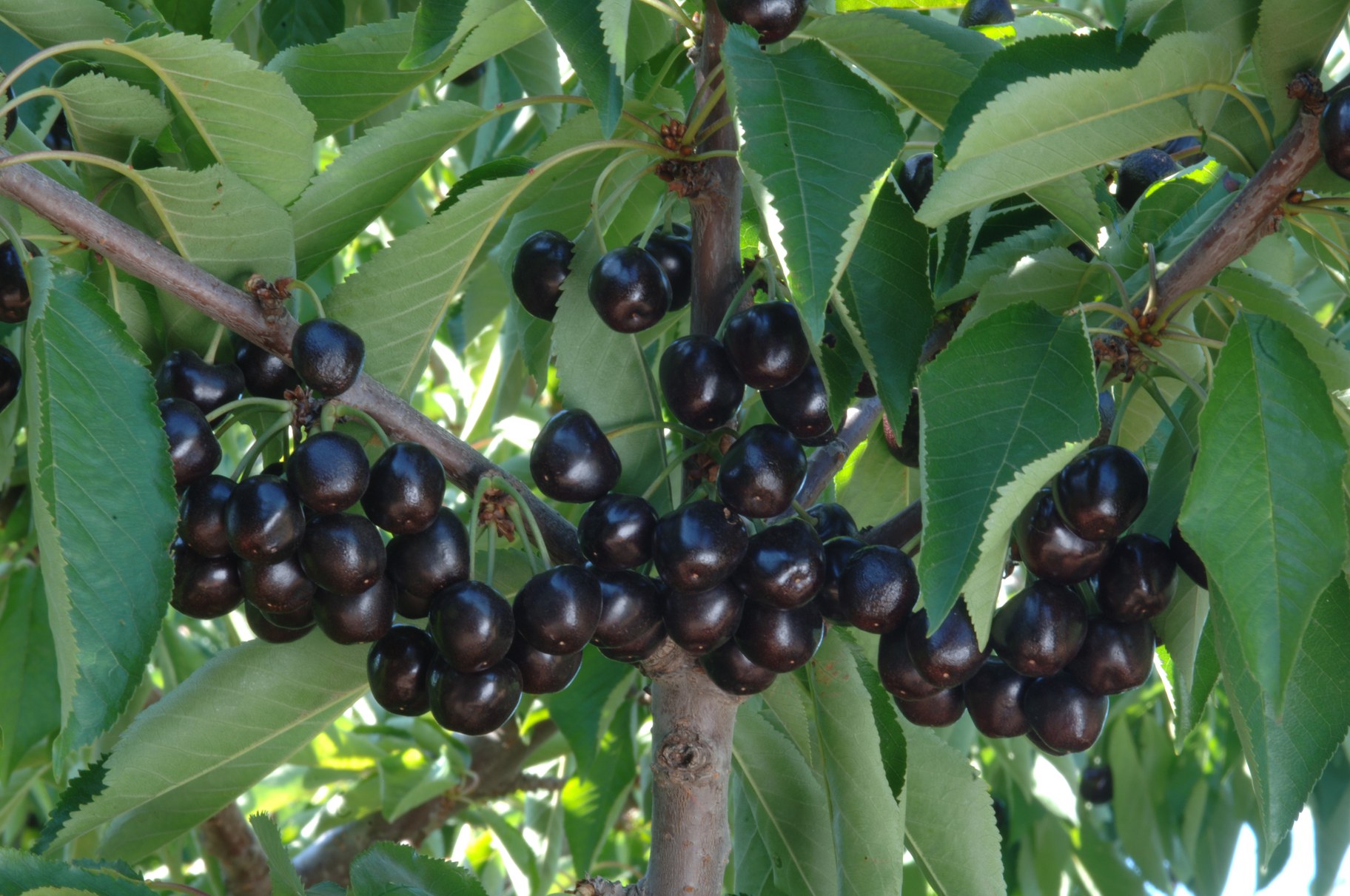
Professor Casali: "It is a drink capable of improving muscle recovery, with effects demonstrated in several sports, including soccer, cycling and American football"
Plant-based drinks are the latest frontier in high-level sports supplementation. From Sinner's pickle juice (and that of many other tennis players) to cherry juice, which is increasingly used both in the Premier League and by professional cyclists.
The latest example was Florian Wirtz, the German Liverpool midfielder who was caught on camera drinking a bottle of juice after being substituted against Newcastle. However, cherry juice is now widely used across the sporting world, from the Premier League to Ligue 1 (it can also be found in the PSG dressing room) and in elite cycling.
This is because "it has numerous health benefits that have made it particularly popular in the sports world," explains Professor Pietro Mariano Casali, a sports medicine physician and cardiologist at the Istituto di Cura Città di Pavia - Gruppo San Donato, speaking to Gazzetta Active.

Cherry juice and muscle recovery
According to several studies, cherry juice appears to have an impact primarily on certain inflammatory markers that increase after intense physical exertion, helping to reduce inflammation.
Casali explains: "In addition to being a generally healthy drink, the most significant improvements have been documented in recovery after particularly intense exercise, especially in sports involving braking, changes of direction, jumping, acceleration and deceleration, movements that place considerable stress on muscles.
For example, among swimmers and rowers, the results were less significant than in soccer. Essentially, cherry juice can reduce the levels of inflammatory markers, particularly interleukin-6 and interleukin-8, following particularly intense exercise.
Cherry juice therefore acts primarily on inflammation: muscles, especially during intense and demanding exercise such as professional sports, produce large amounts of muscle-damaging cytokines that cause inflammation.
Polyphenols and anthocyanins against muscle damage
Thanks to the polyphenols and particularly the anthocyanins found in cherries, the juice can modulate the production of these metabolites, reducing muscle damage. As a result, this reduction makes recovery after a match or competition easier."
In 2010, researchers at Northumbria University conducting a study on this drink attempted to measure recovery time from fatigue in a group of 20 marathon runners. Ten were given cherry juice, while the other half received a placebo: the results showed a significant difference between the two groups in terms of recovery and oxidative stress.
"Oxidative stress involves the production of reactive oxygen species resulting from the muscles' use of oxygen," explains Casali. "During intense exercise, mitochondrial activity leads to the production of ROS, reactive oxygen species such as superoxide and hydrogen peroxide.
These substances can accumulate to such an extent that the muscle's antioxidant system can no longer neutralize them, resulting in damage. For example, let's imagine that at the beginning of physical exertion, an athlete's capacity to perform is 100.
Oxidative stress and post-exercise recovery
During a competition or match, the athlete progressively produces pro-inflammatory substances, and by the end has less strength and energy than at the start. The same substances that caused inflammation promote the production of other compounds, such as resolvins, which help the body, and muscles in particular, return to their initial condition.
This happens especially during training, which is why athletes improve through regular exercise. However, when the workload is excessive, as can happen during a match or competition, the resulting injury may damage the muscle or prevent it from recovering in time. Consider soccer players who compete every three days: if recovery takes longer than that, it becomes a problem.
This is why cherry juice can be important, as it can modulate the expression of these substances, reducing the damage they cause."
Cherry juice is just the latest in a long series of plant-based drinks that are becoming increasingly well known and widely consumed in professional sports, alongside beetroot juice and pickle juice.
Other plant-based drinks in professional sports
"There is an extensive body of scientific literature on many of these drinks," Casali points out. "In addition to cherries, we can also consider plums and beetroot, which is particularly interesting because it interacts with the nitric oxide system, primarily improving vasodilation mechanisms.
As for pickle juice, there is still relatively little scientific literature, although there are indications of potential effectiveness.
Cherry juice, on the other hand, has been the subject of numerous studies documenting its effectiveness in soccer, cycling and American football, as well as its benefits for overall health: the control of inflammation associated with cherry juice has positive effects on blood pressure and cholesterol, promotes sleep and supports lipid metabolism."
Image source: Bici.Pro
Francesco Palma
La Gazzetta dello Sport
Cherry Times - All rights reserved