The monitoring of fruit maturity at the retail, wholesale, and export levels, relating to the first season of this three-year project, was completed at the end of February, providing the project team with the first comprehensive benchmark on fruit quality across the supply chain.
More than 2,000 cherries were sampled in Melbourne, Sydney, and Brisbane. For each fruit, Brix level, acidity, and firmness were measured, and a visual assessment of color was also conducted. This dataset provides the project with a solid baseline for understanding the current maturity level of fruit offered to consumers.
The results of the first season monitoring are encouraging. As shown in the chart below, 92% of samples met the current minimum maturity standard of 15° Brix, confirming an excellent season in terms of fruit quality. These findings will contribute to industry discussions as work progresses toward defining a minimum maturity standard and related guidelines. Monitoring fruit across retail, wholesale, and export channels provides a consistent reference point for future decision-making.
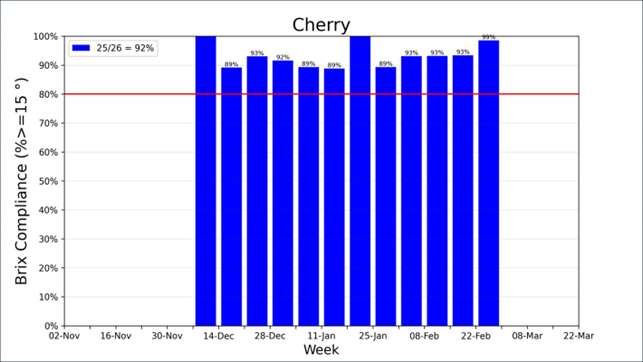 Image 1: Project compliance in cherry production during the 2025–2026 season. Photo credits: Delytics
This benchmarking will be complemented by consumer panel data on taste preferences, currently under analysis, to build a robust evidence base that will support industry decision-makers in ensuring that standards are set at the right level to meet Australian consumers’ taste expectations.
Monitoring across retail, wholesale, and export channels will continue each year of the project to track maturity across different growing seasons. The second sampling season is expected to begin in November 2026.
Sources and statements
Mark Loeffen
Chief Executive Officer of Delytics
Source: Cherry Growers Australia
Image source: Stefano Lugli
Cherry Times - All rights reserved