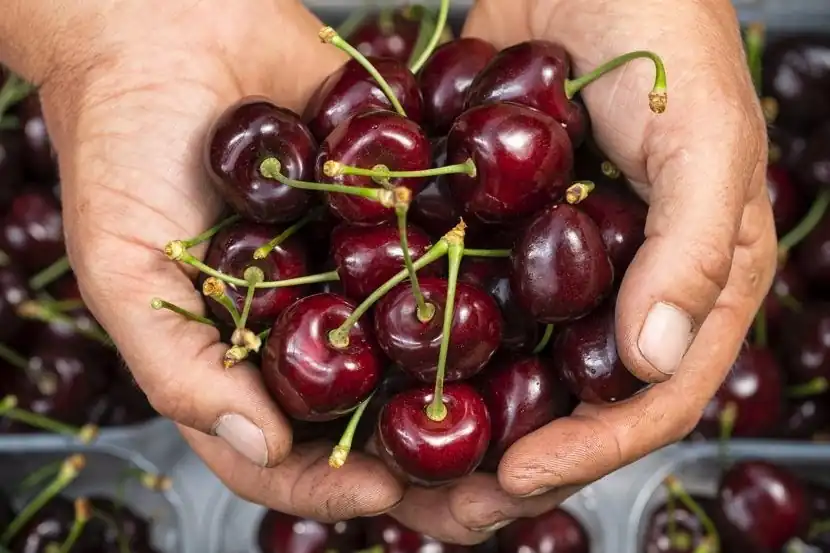
The growing interest in foods with high nutritional value has brought sour cherries (Prunus cerasus) back into the spotlight for both scientific research and the food industry, thanks to their richness in polyphenols, anthocyanins and vitamin C.
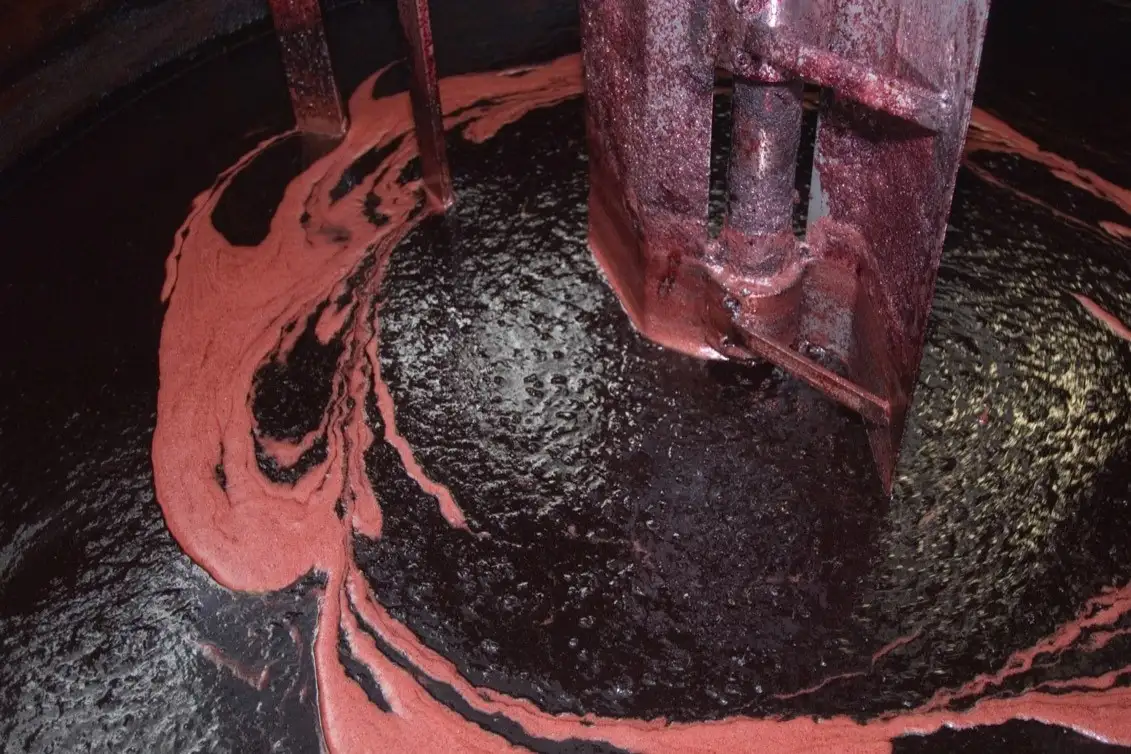
However, the processing required to obtain stable and safe jams involves the application of thermal treatments which, while ensuring shelf life (microbiological stability), can also compromise part of the bioactive molecules responsible for antioxidant activity.
A recent study investigated this aspect by examining the behaviour of six commercial sour cherry jams subjected to an additional thermal process similar to that occurring in common home baking.
The aim was twofold: to understand how much heat actually affects phenolic content and antioxidant activity, and to verify whether the fruit percentage declared on the label can be considered a reliable indicator of the final nutritional quality.
Fruit content and processing differences
The analysis of the raw, untreated samples immediately revealed a strong variability among products, partly attributable to differences in fruit and sugar content, but also to distinct recipes and processing technologies, including the addition of pectin, grape juice, or alternative sweeteners (such as xylitol).
Among the parameters examined, the jam identified as “1” − characterized by a high fruit percentage and a production process designed to preserve the nutritional profile − showed the highest values in both total polyphenols and antioxidant activity (measured using both FRAP and DPPH assays).
Jam “3” also displayed a relatively high phenolic profile, whereas the other products were poorer in these compounds, confirming the crucial role of formulation and processing conditions.
Effect of additional thermal treatment
Regarding the effect of the additional thermal treatment, the results show that degradation of antioxidant compounds does not follow a uniform pattern: in some cases the reduction is significant, in others minimal or not detectable.
For example, polyphenol content decreases in jams “1”, “2”, and “4”, while remaining stable in other products.
Flavonoids also show reductions, though not consistently across samples.
Moreover, antioxidant activity measurements reveal further differences: all jams show a decrease in FRAP antioxidant activity after heating, while DPPH activity decreases significantly in only two samples.
Key findings and industry implications
The most noteworthy conclusion is that the loss of antioxidants caused by thermal treatments does not depend solely on fruit content, but rather on a combination of factors: raw material quality, type and amount of sugars, presence of additives and, most importantly, the production technology.
Jam “1”, despite showing a decrease, maintains higher final values than the other samples, indicating that high initial quality can partially compensate for thermal degradation.
The study also demonstrates that antioxidant activity cannot be accurately described using a single analytical method: FRAP and DPPH assess different fractions of the antioxidant pool and are respectively more sensitive to water-soluble and fat-soluble compounds.
The discrepancies observed between the two assays in some samples point to the need for multiple analytical approaches for proper evaluation.
Conclusions and recommendations
In summary, the stability of antioxidant compounds in sour cherry jams results from a complex interplay between formulation and production technology.
Products with high initial quality maintain a competitive advantage even after additional thermal processes.
For the industry, this means that optimizing processing steps can translate into a tangible improvement in nutritional value.
Source: Pál, A., Keczkó, P., & Sipos, P. (2025). The effect of heat treatment on the antioxidant activity of sour cherry jams. Acta Agraria Debreceniensis, (1), 121-126. https://doi.org/10.34101/actaagrar/1/15258
Image source: Qualigeo
Italian Berry - All rights reserved