GiSelA® 12, 13, and 17 expand the CDB lineup for dry, light, and nutrient-poor soils
Three new GiSelA® rootstocks complement the proven varieties in areas where water shortages, replanting, or self-fertile varieties reach their limits.
July, 38 degrees, a hillside in Southern Europe. In cases of water shortage or overcropping, fruit size falls below marketable size; the rootstock helps determine the tree’s water uptake and crop load.
Drier summers, scarcer irrigation water, and increasing replanting are shifting the requirements. CDB’s proven rootstocks cover intensive cherry cultivation in good sites; three new varieties are now available for marginal sites.
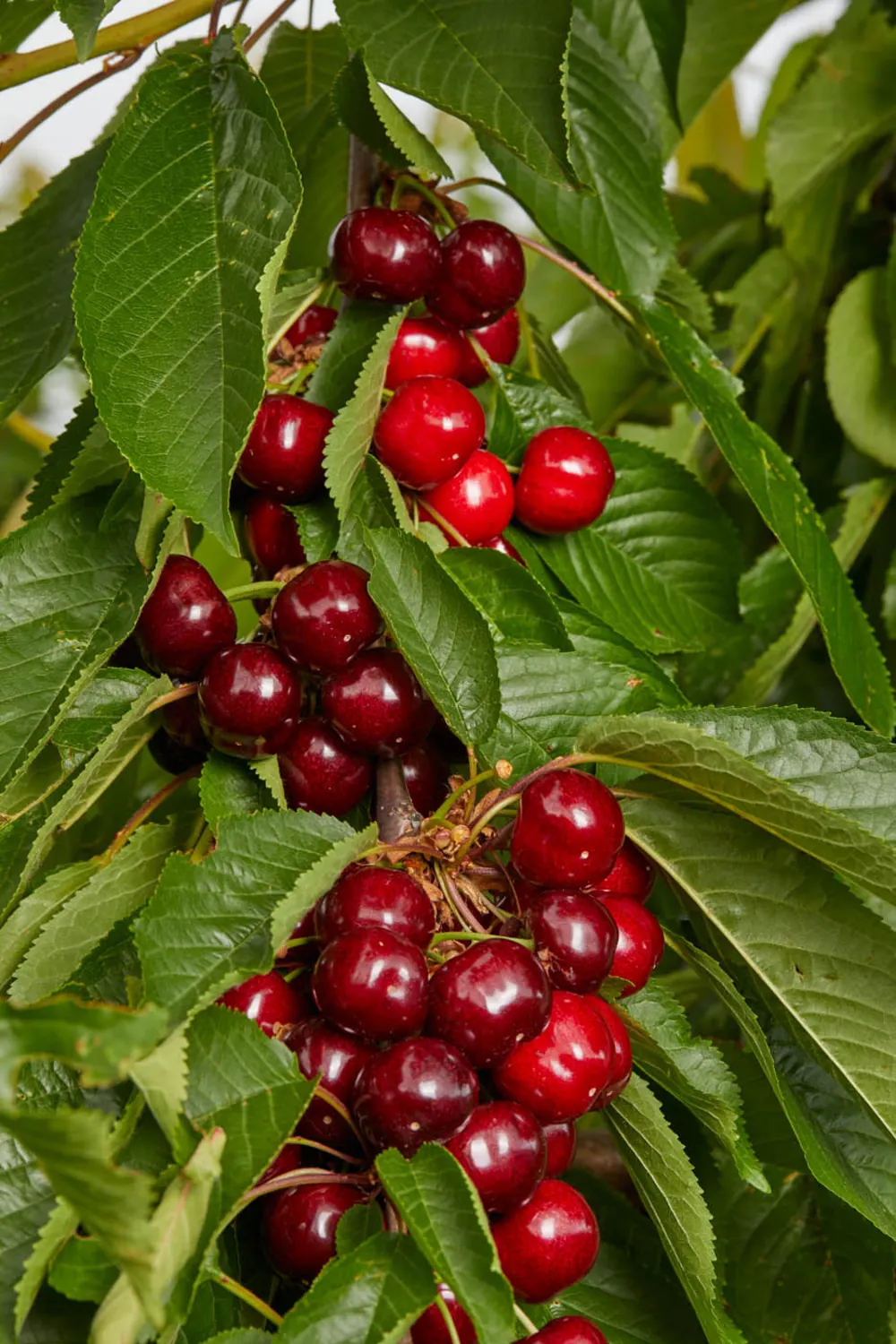
A profile of the three new varieties
GiSelA® 12 “Gi1592” (60–70% of the growth vigor of Prunus avium) is suited for warm, dry climates and lighter, sandy soils; it also copes well with heavier soils, such as those found in Southern Europe and South America, where the higher water requirements of GiSelA® 5 “Gi1482” are difficult to meet. It recovers from drought stress more quickly than GiSelA® 5 “Gi1482” and is a better choice than GiSelA® 6 “Gi1481” in wind-exposed sites. The risk of overcropping is lower, which is particularly advantageous for self-fertile varieties.
GiSelA® 13 “Gi14813” (65–75%), a cross between Prunus cerasus ‘Schattenmorelle’ and Prunus canescens, also grows on poorer soils where GiSelA® 5 “Gi1482” does not perform well and is suitable for replanting, even on suboptimal sites. According to CDB, it requires only about one-third of the irrigation water needed by GiSelA® 5 “Gi1482” in the nursery. When grown with self-fertile varieties, it produces uniform fruit sizes thanks to its slightly lower bud and flower density.
GiSelA® 17 “Gi31817” (75–85%), a cross between Prunus canescens × Prunus avium, is the most vigorous of the three. It grows on nearly any soil type, including in replanting situations, develops a deeper root system, and tolerates temperatures above 40 °C. Because of this broad adaptability, it is suitable as a starter rootstock for operations switching from more vigorous rootstocks or those unfamiliar with a site’s history. It is tolerant of Monilia laxa as well as PDV and PNRSV.
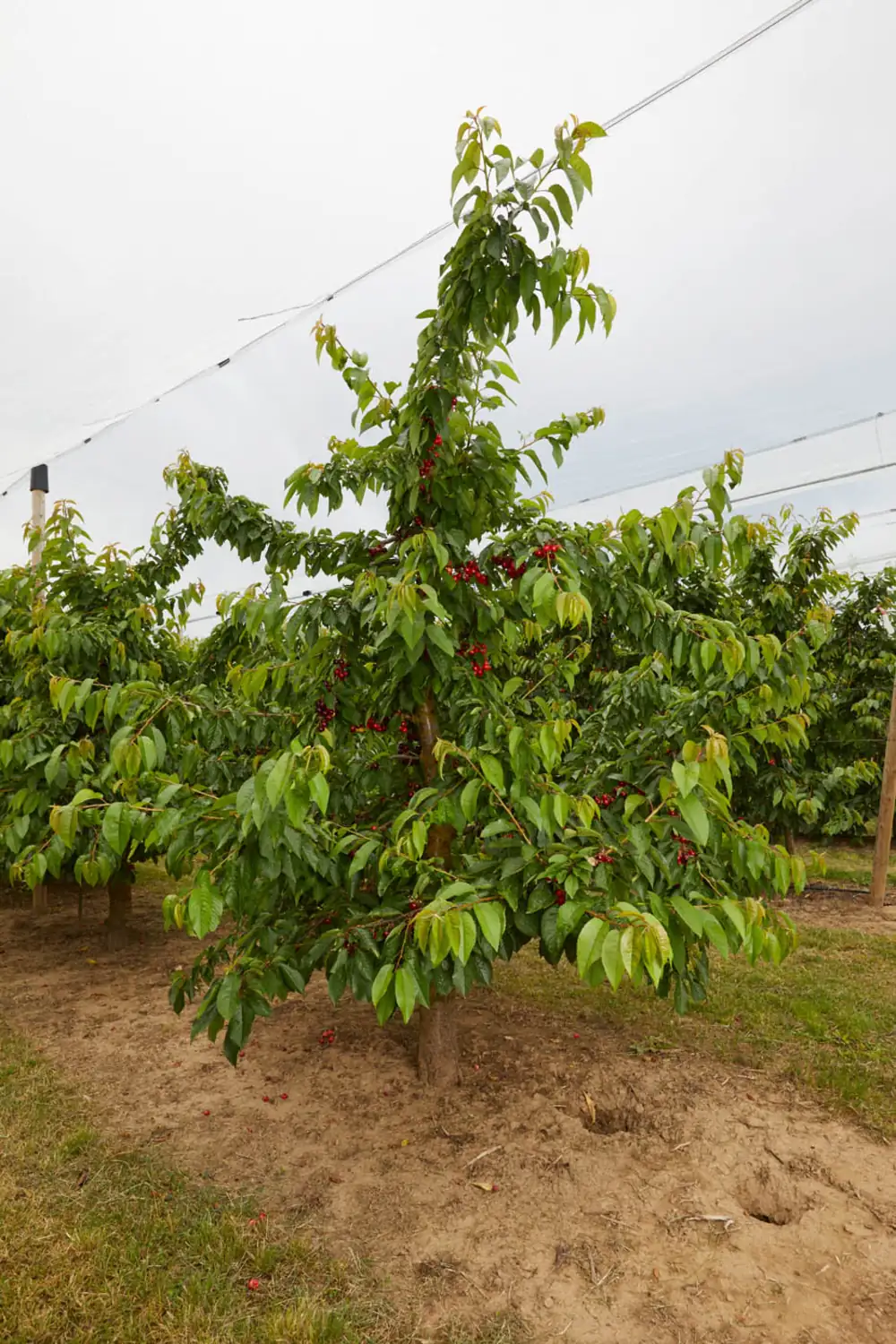
Fruit quality: avoid overcropping
With self-fertile varieties, high-yielding rootstocks such as GiSelA® 5 “Gi1482” and GiSelA® 6 “Gi1481” carry the risk of overcropping: the tree sets more fruit than it can support, and fruit size decreases. GiSelA® 12 “Gi1592,” GiSelA® 13 “Gi14813,” and GiSelA® 17 “Gi31817” are less prone to this, so marketable fruit sizes can be achieved even without extensive thinning.
Regardless of the rootstock, the leaf-to-fruit ratio remains the most important factor influencing fruit size: generally, the goal is 2.5–3 leaves per fruit. This requires early, consistent pruning, fertilization based on soil analysis (in commercial orchards, 40–60 kg of nitrogen per hectare per year, of which 30–50 kg is applied before flowering and 10–20 kg throughout the growing season), as well as an adequate water supply. All three rootstocks from CDB are derived from in vitro propagation: they are EU-certified and fully traceable.
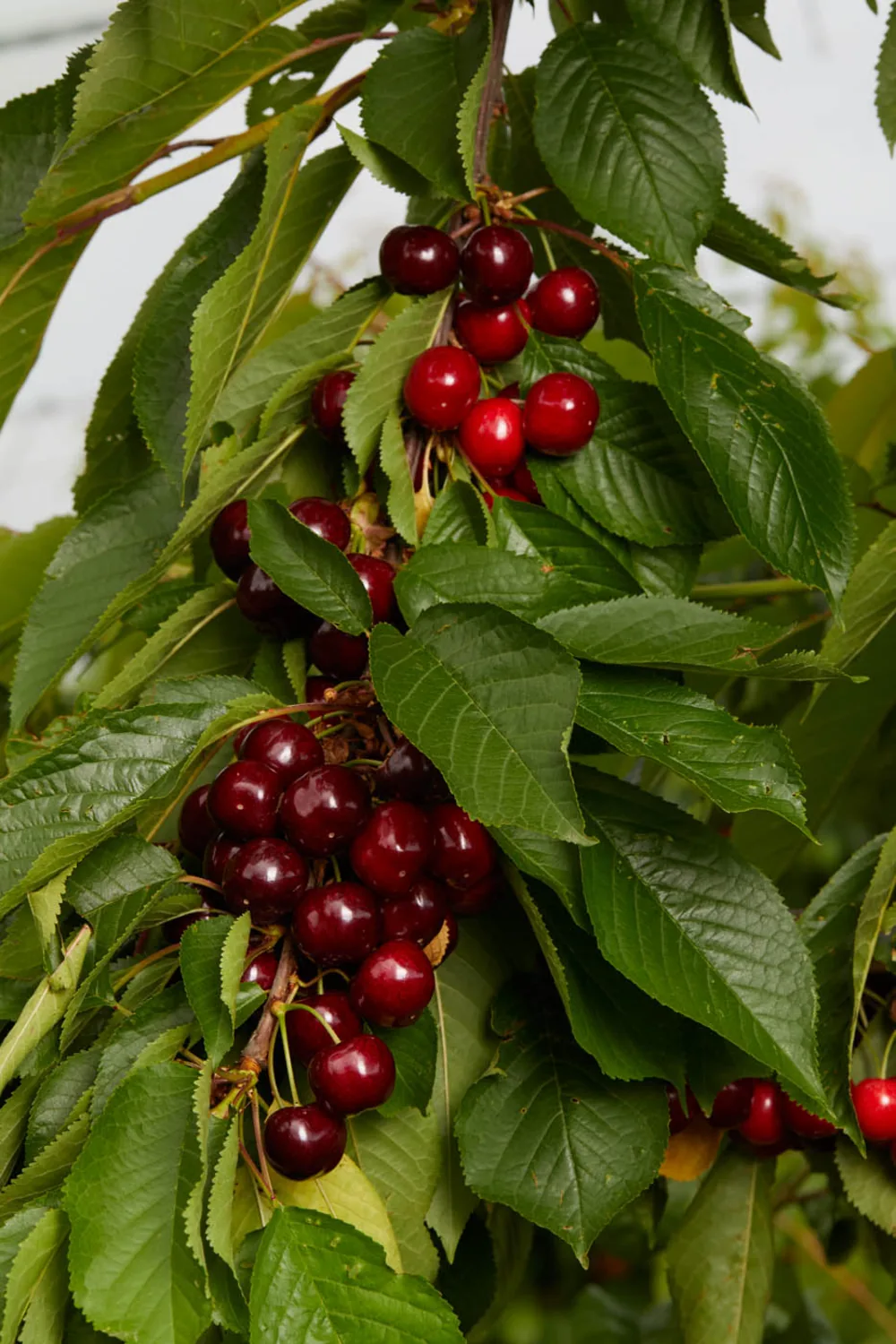
At a glance: the three new varieties
| Rootstock | Vigor* | Site and soil | Special features |
|---|
| GiSelA® 12 “Gi1592” | 60–70% | Warm, dry, hot climates; light, sandy soils; wind-exposed sites | Recovers more quickly from drought stress; lower risk of overcropping |
|---|
| GiSelA® 13 “Gi14813” | 65–75% | Poorer, nutrient-deficient soils; replanting, even on suboptimal sites | According to CDB, requires approximately one-third of the irrigation water used by GiSelA® 5 “Gi1482” in the nursery; uniform fruit sizes |
|---|
| GiSelA® 17 “Gi31817” | 75–85% | Virtually any soil, including replanting; over 40 °C | Deeper root system; starter rootstock; tolerant of Monilia laxa, PDV, PNRSV |
|---|
*Relative to Prunus avium (= 100%). For comparison: GiSelA® 5 “Gi1482” approx. 45–50%, GiSelA® 6 “Gi1481” 55–65%.
Rootstocks for more than just cherries
The understanding of how a rootstock balances fruit quality and site conditions extends beyond cherries: with Wavit®, CDB also offers an excellent rootstock for apricots and plums. We’ll share more about this in one of our upcoming issues.
Consortium Deutscher Baumschulen GmbH · Brooksweg 13, D-25474 Ellerbek, Germany · www.cdb-rootstocks.com
Cherry Times - All rights reserved