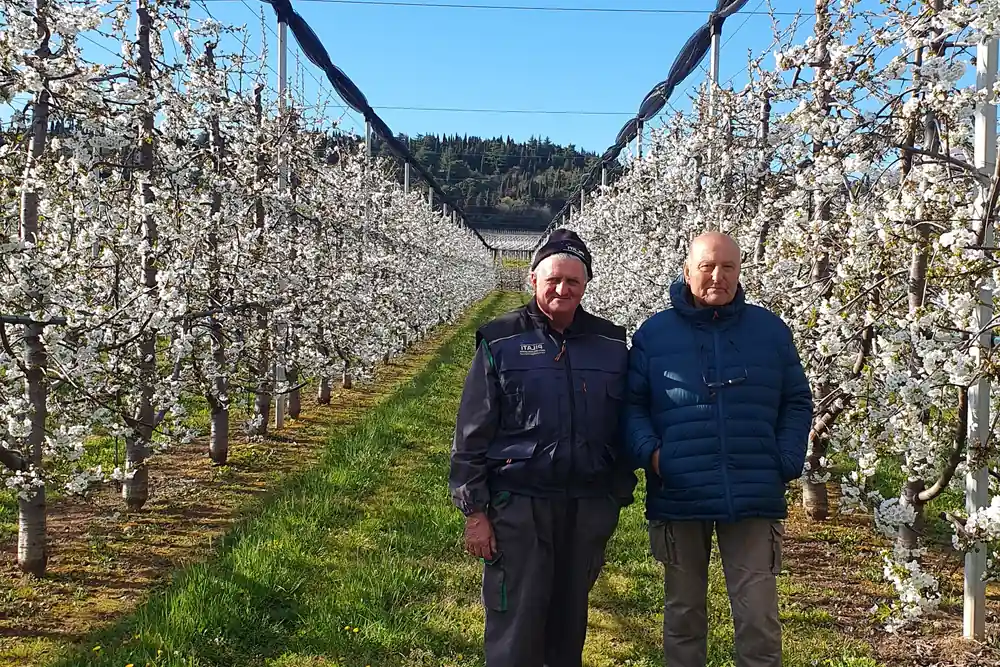
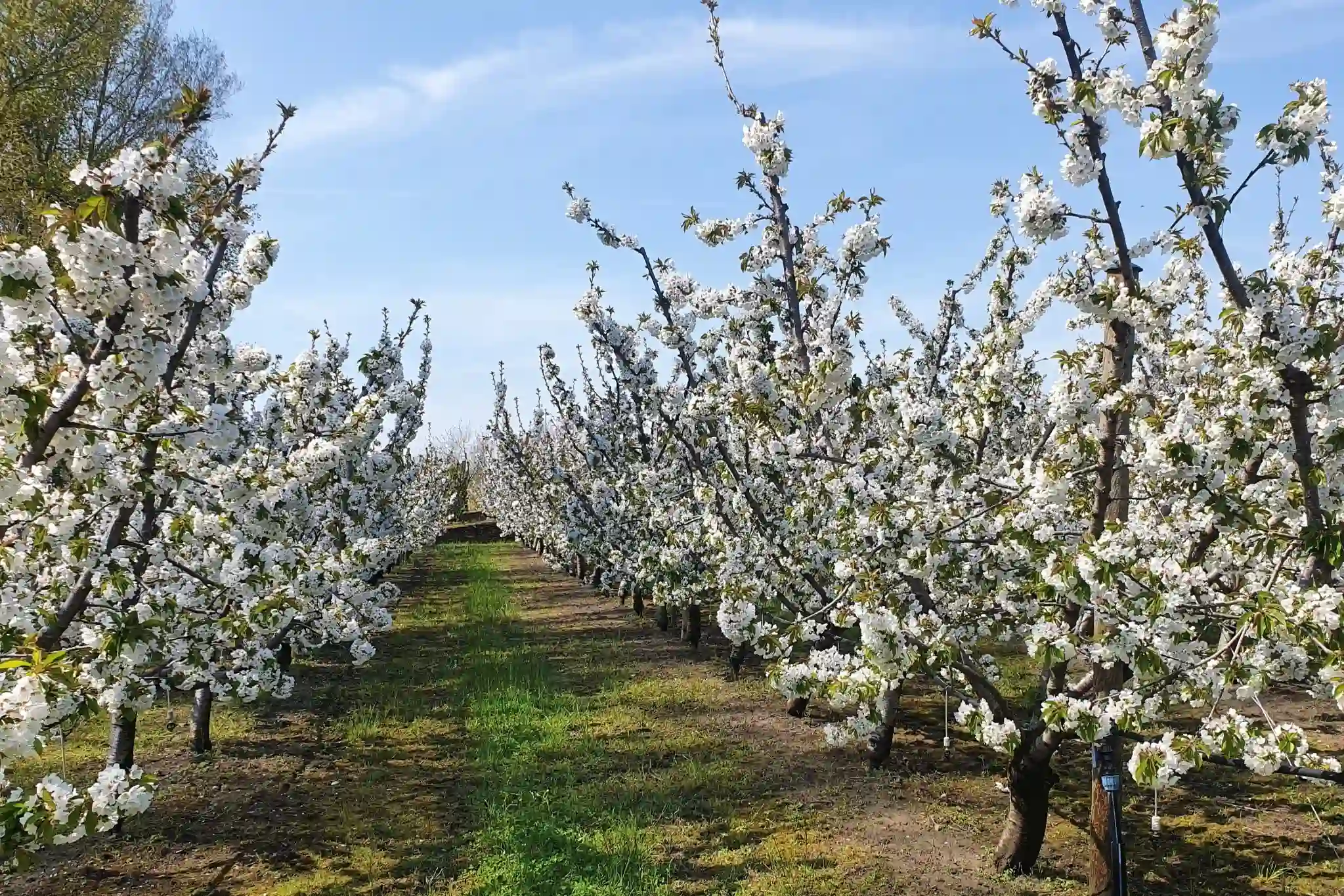
New enforcement action in Chile against the unauthorized propagation of protected plant material. This time the case involves the cherry sector: a nursery located in the comuna of Molina, in the Maule Region, was sanctioned after the illegal propagation of plants of the cherry variety Tip-Top cv., without the required license from Andes New Varieties Administration (ANA Chile®) was confirmed.
According to ANA Chile®, the irregularity emerged as part of systematic monitoring activities carried out nationwide to safeguard intellectual property rights on protected varieties. In this case, the plant material was identified by the Servicio Agrícola y Ganadero (SAG), which requested its immediate seizure and filed a complaint with the Ministerio Público.
Investigation, cooperation and destruction of the plants
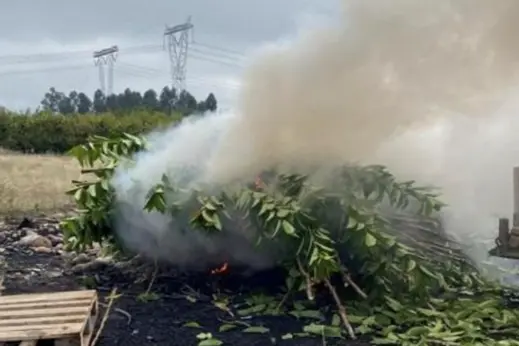
Subsequently, the competent court ordered an investigation, assigning the Policía de Investigaciones (PDI) to verify the presence of illegally propagated material. The outcome of the procedure led to the order for the uprooting and destruction of the plants involved.
During the process, the nursery acknowledged the facts and cooperated both with the authorities and ANA Chile®, helping to speed up the closure of the case. Measures adopted included the complete elimination of the plant material and the application of a financial penalty, in accordance with established protocols.
Strengthened surveillance in nursery areas
ANA Chile® emphasized that this episode falls within a broader strengthening of monitoring and enforcement activities against illegal practices, with particular focus on areas where fruit nurseries are concentrated. The stated objective remains to protect registered varieties, consolidate the regulatory framework and ensure greater traceability along the supply chain.
The destruction of the plants may also open the way to potential legal actions against those who supplied the plant material and against growers who may have purchased protected plants through irregular channels.
A case adding to previous incidents
The Molina case fits into a context already marked by similar precedents. Among these is a nursery in Codegua, in the O’Higgins Region, which was forced to destroy more than 20,000 nectarine plants due to the illegal propagation, commercialization and offering of protected varieties belonging to the Andesnec breeding program.
Also in that case, as reported by ANA Chile®, the nursery admitted to having propagated protected varieties without authorization, resulting in financial penalties and the obligation to fully eliminate the plants produced.
Conclusion
This new case confirms how the issue of varietal protection is becoming increasingly important also in the cherry sector. For the supply chain, the message is clear: compliance with licensing, traceability and intellectual property is set to become ever more central in the production and commercial dynamics of the sector.
Text and image source: www.portalfruticola.com
Cherry Times - All rights reserved