For years, the debate within the Chilean cherry industry focused primarily on production, yields, fruit size and export volumes.
However, a qualitative analysis of spontaneous posts published on RedNote, also known as Xiaohongshu, suggests that the Chinese market is now asking a different question: what really makes a good cherry?
Today, the answer appears more complex than it was ten years ago. Chilean origin continues to be associated with value and prestige, but it is no longer sufficient on its own.
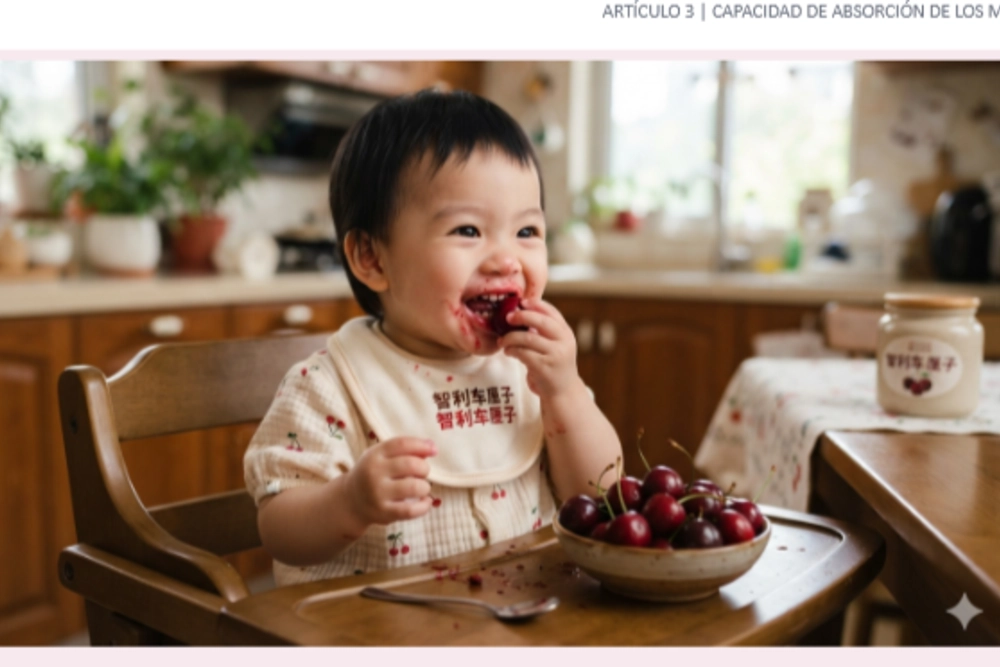
Consumers display the fruit, cut it open, examine the flesh, compare varieties and assess whether the eating experience lives up to the price paid.
China, therefore, has not stopped appreciating Chilean cherries. Rather, the way they are evaluated has changed: origin, tradition and size remain important factors, but they must be accompanied by tangible and consistent quality, from the moment the package is opened to the very last bite.
Appearance attracts consumers, but it is no longer enough
Product presentation continues to play an important role, particularly in premium segments. However, elegant packaging and visually appealing fruit are no longer enough to meet expectations.
The posts analyzed frequently feature photographs of cherries cut in half, accompanied by assessments of texture, juiciness, internal color and the condition of the flesh.
Consumers want to verify for themselves that the product is firm, sweet and fresh when eaten.
Fruit size also retains its commercial appeal. However, a large cherry quickly loses value if it arrives soft, dehydrated or affected by internal damage.
The conversation therefore appears to be gradually shifting from “How large is it?” to a more comprehensive assessment: “What is its texture like, and how does it taste?”
The Chinese market is learning to choose
The message for Chile is not that China is moving away from consuming cherries. The change runs deeper: Chinese consumers are developing a greater ability to choose.
Comparisons between varieties, prices, purchasing channels and the condition of the product upon arrival reveal a more informed and discerning market.
The “Chilean cherry” label retains a strong reputation, but it no longer automatically guarantees that every experience will be accepted.
In this context, consistent quality becomes a strategic factor. An excellent package helps strengthen Chile’s image; conversely, the presence of soft fruit, pitting, dehydration or inconsistent sizing can immediately result in a negative review shared on social media.
For consumers, there is only one experience
From the buyer’s perspective, there are no boundaries between the orchard, packing facility, sea freight and sales platform. All these stages converge into a single purchasing and eating experience.
The next phase of competition, therefore, will not depend solely on the number of tonnes Chile is able to produce and export. It will be determined primarily by the actual value delivered in every package.
Meeting these new expectations will require the alignment of varieties, product condition, logistics, brand positioning and price.
Fruit size will need to suit the target segment, but above all, the cherry must be sweet, firm, fresh and reliable.
From tradition to a quality experience
Chinese consumers are moving from purchases driven primarily by tradition towards choices based on the quality experience.
The symbolic value of cherries and the prestige of their Chilean origin will continue to play a role, but they will no longer be sufficient to guarantee consumer preference.
To maintain its leadership, Chile will need to adapt to consumers who compare, evaluate and reward consistent quality.
The question for the industry is therefore unavoidable: is it producing the cherry that the Chinese market will want to buy tomorrow, or the one that was successful yesterday?
Text and image source: Miguel Angel Garcia Urrea
Cherry Times - All rights reserved