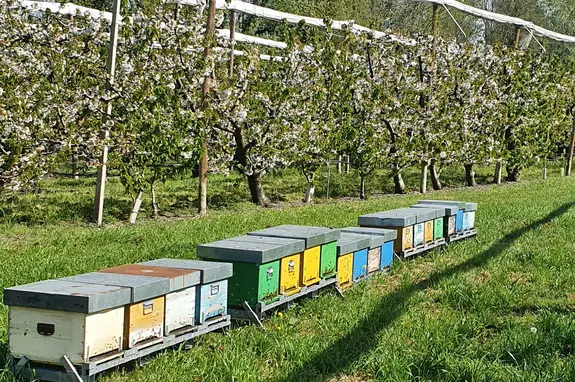
Prolonged drought and high temperatures have had a clear impact on the cherry season in the Czech Republic. In the orchards of Mendel University in Brno, located at the Žabčice teaching farm in the Brno region, this year's harvest was around 16% lower than in the previous season.
It was not only the quantity that was affected: many fruits remained noticeably smaller and, in some cases, dried out directly on the trees.
The situation is once again drawing attention to water availability and the ability of orchards to adapt to increasingly difficult conditions for cultivation.
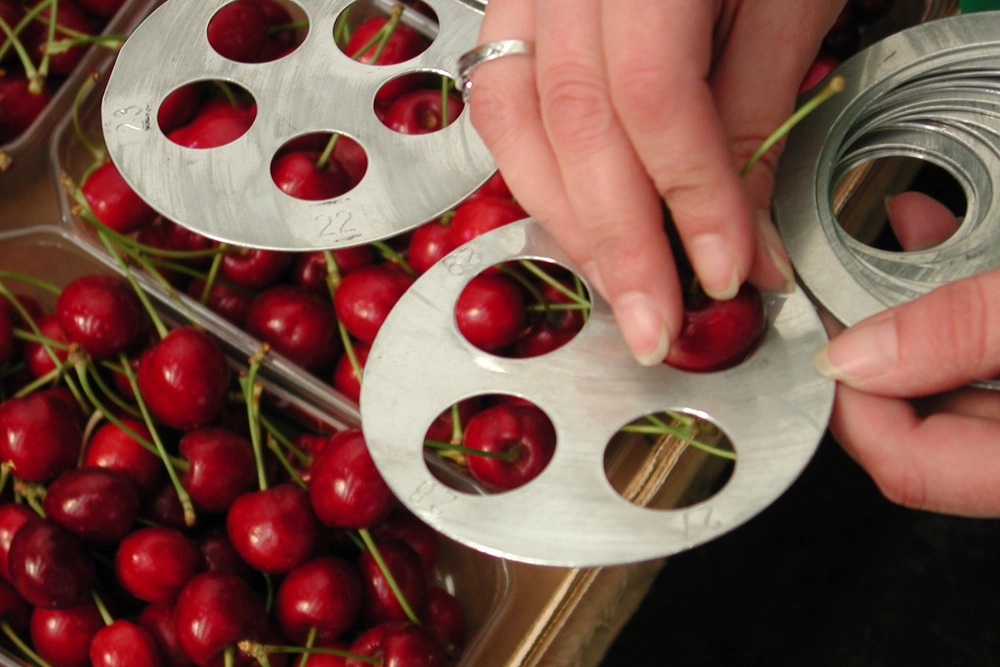
7,235 kg of cherries harvested in Žabčice
In the Czech Republic, cherry orchards cover a total area of around 1,400 hectares. Those managed by Mendel University mainly serve educational and experimental purposes: they are used for student training, breeding activities, variety trials and, to a limited extent, for selling fruit on the local market.
In Žabčice, cherries are grown on an area of around 5 hectares. This year, the teaching farm's total production reached 7,235 kg, including fruit intended for juice processing.
The result was affected by the prolonged lack of rainfall during the ripening stage. At harvest, workers found numerous fruits that had already dried out on the trees, a direct consequence of water stress.
According to Jan Čermák, head of the university's vineyards and orchards, the cherries were around one-third smaller than normal and, in the most severe cases, up to half their usual size. A significant proportion of the fruit also dried out on the tree, making it impossible to harvest by shaking.
Lower supply, but prices may not increase
The decline in supply is not necessarily expected to result in a sharp rise in prices. Producers note that demand for cherries has gradually declined in recent years and, as a result, the smaller harvest may not be sufficient to support significantly higher market prices.
What is of greater concern to fruit growers is the evolution of growing conditions in South Moravia. Periods of drought and high temperatures are becoming an increasingly significant obstacle to tree development, fruit size and the final quality of production.
Čermák points out that, in years characterised by extreme drought, yields decline significantly and that, without irrigation systems, cherry cultivation in Žabčice risks becoming unsustainable in the long term.
Irrigation and resistant varieties at the heart of future strategies
Among the priorities identified by specialists is therefore the development of drip irrigation, considered one of the key tools for dealing with prolonged periods of water shortage.
Alongside water availability, it will also be important to proceed with the gradual renewal of orchards and direct new plantings towards varieties and rootstocks that are better able to tolerate the stress caused by drought and high temperatures.
The experience of the university orchards in Žabčice therefore shows how adapting production techniques could become crucial for the future of local cherry growing. Without action on irrigation and plant material, maintaining high, good-quality and, above all, stable production could become increasingly difficult.
Source: www.sadyogrody.pl
Image source: Stefano Lugli
Cherry Times - All rights reserved