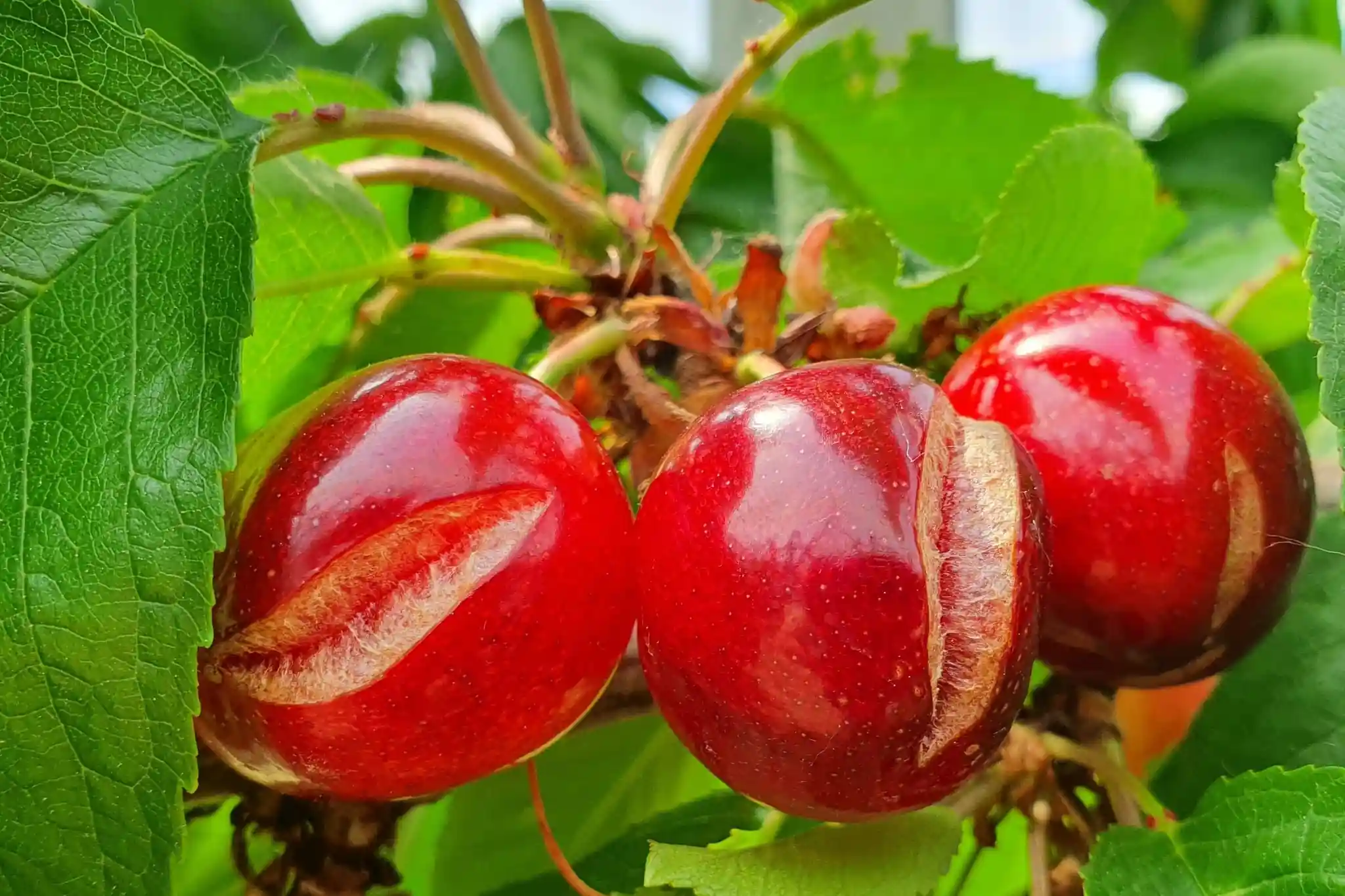
Graft incompatibility is one of the major challenges in fruit production, as it can compromise vascular continuity between the scion and rootstock, reduce orchard productivity and longevity and, in the most severe cases, cause tree breakage or death.
The problem may become apparent shortly after grafting or even after 10–15 years, making it difficult to identify high-risk combinations in a timely manner. A review has summarised recent advances in physiological, biochemical, molecular and technological approaches, including non-destructive imaging techniques and artificial intelligence, aimed at improving early diagnosis and making the selection of scion–rootstock combinations more reliable.
Graft incompatibility stems from incomplete anatomical and physiological integration between the two graft partners, which impedes the formation of a functional connection between the xylem and phloem. Under favourable conditions, callus tissue develops after grafting, giving rise to new cambial and vascular cells and enabling the transport of water, mineral nutrients and assimilates.
In incompatible combinations, however, discontinuities in conducting tissues, phloem degeneration, irregular vascular differentiation and the accumulation of phenolic compounds at the graft union may occur. The consequences affect the entire plant: water uptake and carbohydrate translocation decline, stomatal conductance and photosynthetic activity decrease, and symptoms such as chlorosis, leaf reddening, wilting, premature defoliation and reduced growth may develop.
Among the most accessible tools are measurements of chlorophyll content using the SPAD index and assessments of photosynthetic activity. These parameters can reveal physiological alterations before visible symptoms appear. They can be complemented by biochemical indicators, including phenolic accumulation, changes in starch and sugar profiles, and the activity of antioxidant enzymes such as peroxidase and superoxide dismutase.
Changes in oxidative metabolism and the accumulation of phenolic compounds have frequently been observed in incompatible combinations, although the magnitude and direction of these responses depend on the species and the specific graft combination. These indicators are therefore more informative when interpreted together rather than used individually.
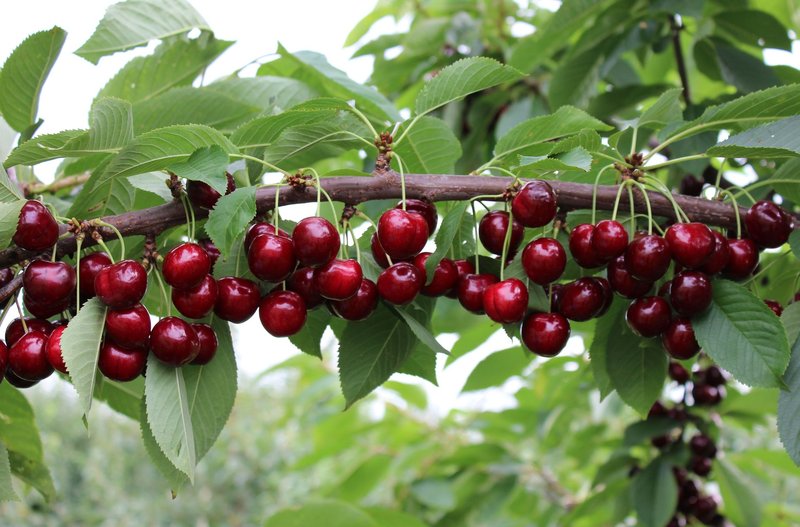
Internode association tests and callus fusion techniques also make an important contribution to early diagnosis by allowing researchers to assess in the laboratory whether scion and rootstock tissues can form a stable connection. Studies on sweet cherry have revealed differences in phenolic content, peroxidase activity and graft union success rates between compatible and incompatible combinations.
In particular, some combinations involving the GF-305 rootstock have shown high peroxidase activity and lower fusion success, whereas other combinations with Gisela 6 have produced positive results for specific cultivar–rootstock pairings. These findings highlight the importance of assessing each specific combination and avoiding generalisations based solely on rootstock genotype.
Emerging technologies further expand the possibilities for analysis. Computed tomography, magnetic resonance imaging, terahertz spectroscopy and hyperspectral imaging make it possible to investigate internal structure and tissue properties without necessarily resorting to destructive sampling.
At the same time, transcriptomic, metabolomic and epigenetic analyses are helping to identify genes and metabolic pathways involved in wound healing, vascular reconnection and stress responses. Genetic markers such as SNPs and genomic regions associated with compatibility traits could also support breeding programmes.
Integrating this information with machine-learning algorithms offers promising opportunities to classify graft combinations and predict their performance, although further validation across different species, cultivars, rootstocks and environmental conditions is still required.
The practical message is clear: no single test currently provides a universally conclusive diagnosis. Nevertheless, combining anatomical observations, physiological and biochemical indicators, and molecular and digital tools can shorten assessment times and reduce grafting failures.
Source: Hamza, M., Soysal, D., Ullah, I., Sultan, Y., Aydin, E., Demirsoy, H., & Mohamed, H. I. (2026). Graft incompatibility in fruit trees in early detection: integrating physiological, molecular, and technological approaches. Planta, 264(3), 67. https://doi.org/10.1007/s00425-026-05094-9
Image source: ScienceDirect
Andrea Giovannini
PhD in Agricultural, Environmental and Food Science and Technology - Arboriculture and Fruitculture, University of Bologna, IT
Cherry Times - All rights reserved