Quality requirements, condition and size standards that currently define the cherry industry are extremely high, with strict benchmarks that must be fully met in order to ensure the long-term profitability of the business.
Compliance with these parameters depends on a comprehensive crop management approach, including proper irrigation, nutrition, pruning, the judicious use of growth regulators, and an efficient harvest and post-harvest system.
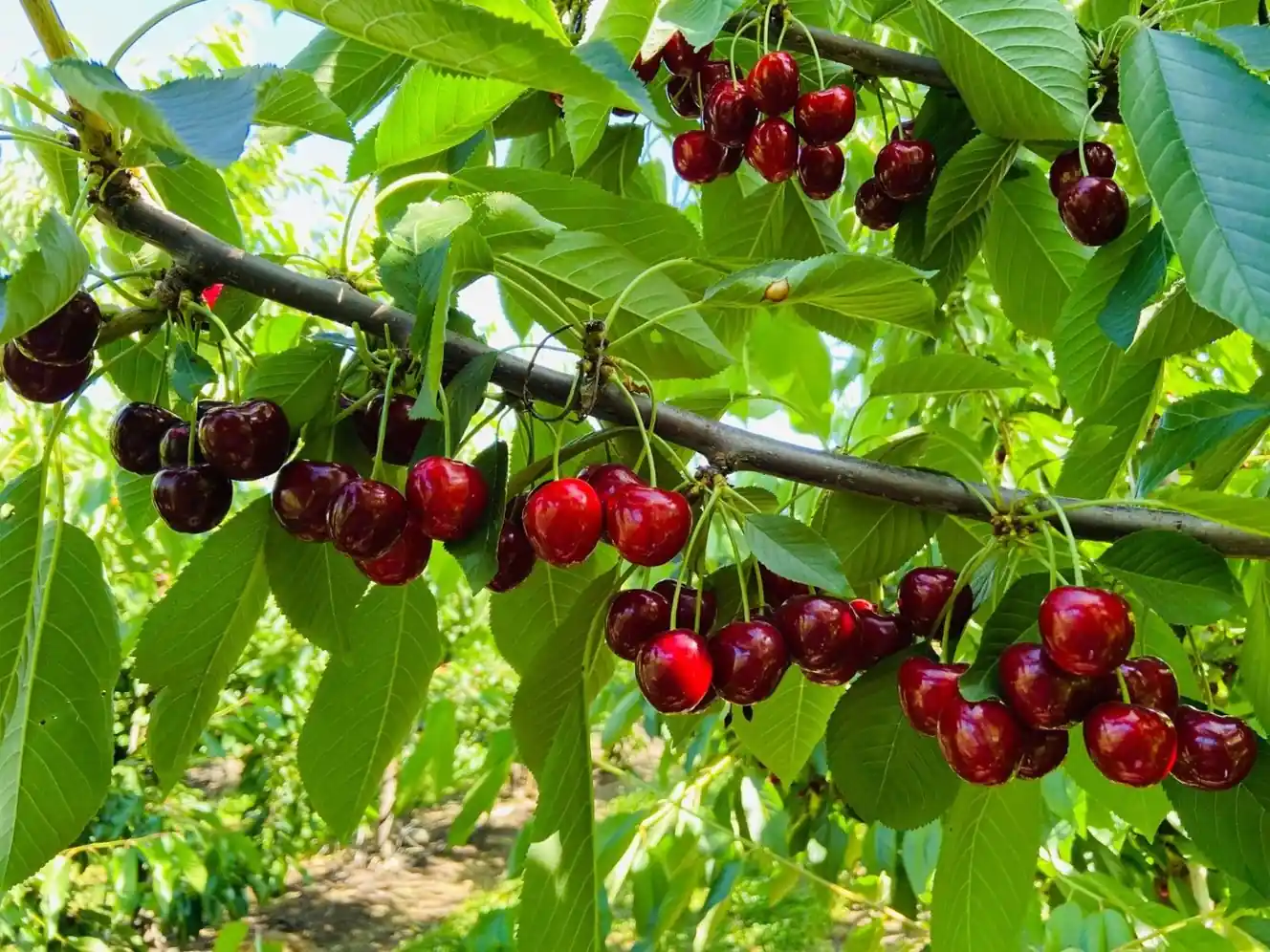
Only through a controlled production chain, from the orchard to the final destination, is it possible to guarantee high-quality fruit that is firm, sweet, well-sized and visually appealing.
However, this crop presents significant field-level challenges related to flowering, fruit set, excessive vegetative growth and uniformity of ripening, factors that directly affect yield and final fruit quality.
In this context, the use of plant growth regulators has become a fundamental tool in the physiological management of the crop.
Growth regulators are natural or synthetic compounds capable of modifying, enhancing or mitigating plant physiological processes such as cell division and elongation, bud differentiation, fruit development and senescence.
In cherry trees, their application allows, among other things, optimization of the balance between growth and production by improving fruit set and size, regulating vegetative vigor and promoting more uniform ripening.
Therefore, the correct use of these products, based on an understanding of cherry physiology, cultivar characteristics, cultivar/rootstock combinations, pedoclimatic conditions, as well as recommended doses and timing, represents an essential strategy to increase productivity, improve commercial fruit quality and ensure the sustainability of the production system.
This is where it becomes truly important to understand and diagnose each specific situation in order to provide the best recommendation based on what we want to shape within the orchard, with a defined objective, rather than copying product-based strategies that, depending on the situation, will generate specific responses in our orchards.
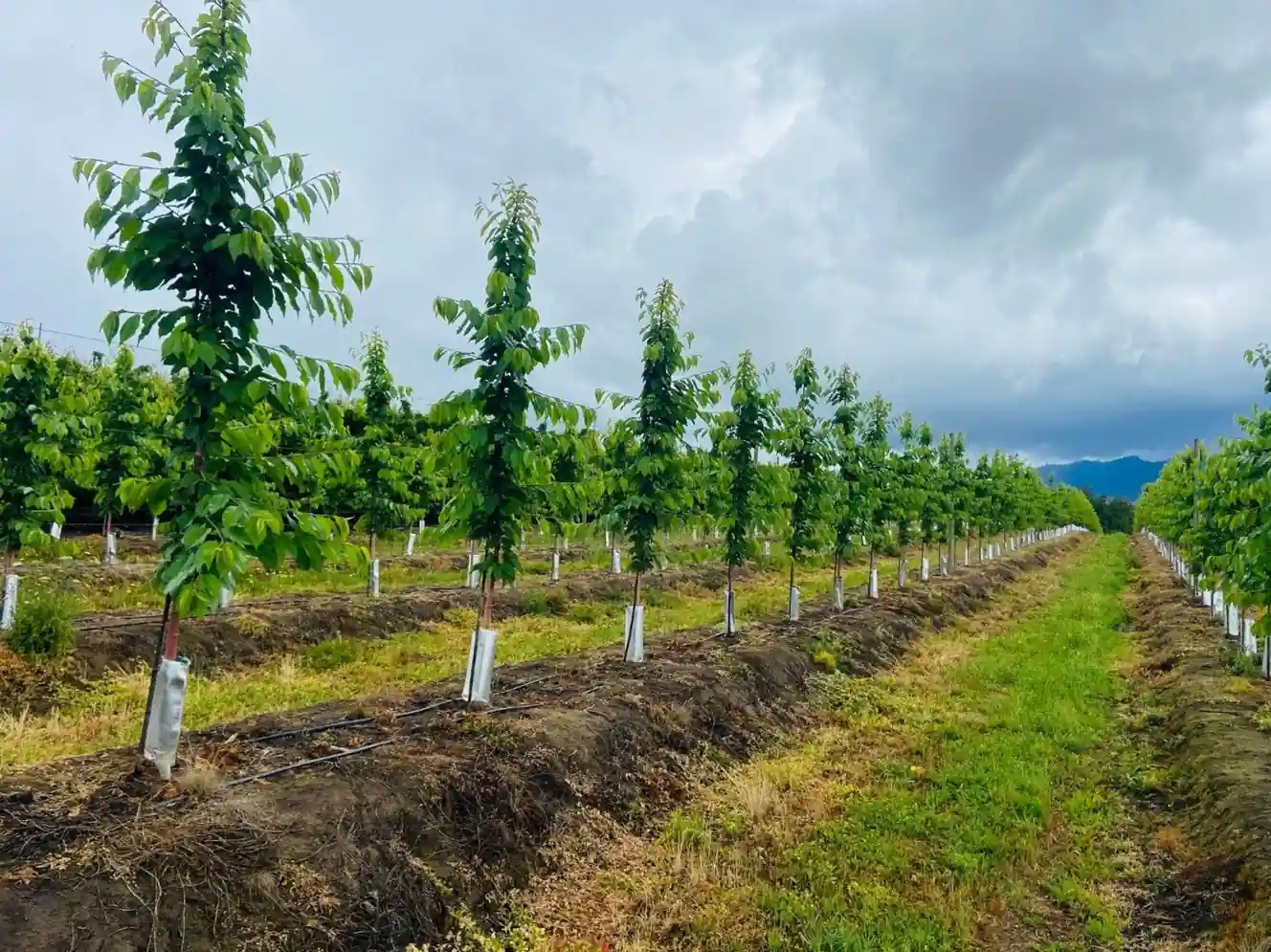
SANTINA IS A VARIETY THAT BRANCHES WITH DIFFICULTY, THEREFORE IT IS RECOMMENDED TO MAKE CUTS AT ALL FOUR CARDINAL POINTS EVERY 20–30 CM. IN THE CASE OF LAPINS AND REGINA, WHICH BRANCH EASILY, CUTS SHOULD BE SPACED 30–40 CM APART.
BRANCHING OPTIONS
Growth regulators are involved from the very formation of our orchards because this species has certain developmental characteristics that can be shaped, such as strong apical dominance or acrotonic growth, which concentrates vigor in the upper part of the tree, leading to poor branch development in the mid-lower section.
For this reason, exogenous branching based on the use of cytokinins and gibberellins is the foundation of all coherent branching strategies currently available.
The emission of lateral branches is regulated by an internal hormonal balance within the plant, mainly determined by strong apical dominance exerted by auxins and their interaction with other growth hormones such as cytokinins and gibberellins.
Auxins, produced in the apical meristems of shoots, inhibit lateral bud break, while cytokinins promote the formation of lateral shoots.
In my opinion, the most consistent treatment for any cultivar/rootstock combination is the use of 6-benzyladenine plus GA4 + GA7 (Promaline or Perlan).
Depending on the specific case, this is applied at a dose of 30–50 cc per liter of paint to coat the various incisions made with a saw along the developing trunk.
For this purpose, the height of the first branch is determined, which I generally recommend at 70–80 cm, extending up to 30 cm below the apex.
Then, layers of cuts are made at the four cardinal points every 20–30 cm for difficult-branching varieties such as Santina, and every 30–40 cm for easier-branching varieties such as Lapins and Regina.
It is extremely important to thoroughly mix the product with the paint.
To ensure homogenization, I recommend mixing two colors, for example, 500 cc of white paint with 500 cc of black paint.
When the mixture turns gray, you can be certain it is well blended.
It is then essential to apply it to the incision made with the saw.
I recommend using a toothbrush or a stiff-bristle brush.
The ideal timing is at the green tip stage of the vegetative bud.
Another branching option is the use of a different cytokinin, such as Thidiazuron (Dropper).
I recommend a dose of 80 cc per liter of paint, plus 15 grams of gibberellic acid as active ingredient.
Alternatively, 15 sachets of Proggib 40% SG can be used.
The mixing procedure is the same as mentioned above, using two paint colors to ensure homogeneous blending.
This strategy, unlike the previous one, does not require incisions.
Instead, all vegetative buds located between 70–80 cm in height and 30 cm below the apex are painted.
I advise against applying the paint directly onto the main trunk, as this causes excessive diameter growth, leading to streaking that may become entry points for future bacterial or wood rot fungal infections.
We can also promote root growth using auxin-based rooting agents containing indole-3-butyric acid, available in various commercial formulations such as Rooting, Pilatus, Manvert Rooting Agent and Bio-Radicant.
Generally, the irrigation dosage for root drenching ranges from 2 to 5 liters per hectare, depending on the specific case.
THE MAIN ROLE OF PLANT REGULATORS
Once the production curve begins, plant growth regulators become more important, as cherry trees also exhibit particular characteristics in terms of fruit set coefficient, meaning that not all the floral supply in a season will result in harvested fruit, with average fruit set ranging from 6% to 40% depending on the cultivar/rootstock combination.
Auxins, cytokinins and gibberellins as growth hormones, together with the use of hormonal inhibitors such as those that inhibit gibberellin and ethylene synthesis, are very useful tools to shape cherry tree behavior.
Today, we cannot overlook the use of other hormones that have recently gained importance in cherry production, such as brassinosteroids, salicylic acid and jasmonates, among others.
Plant growth regulators are very important tools to achieve the productive potential demanded by today’s markets and that make this fruit a highly profitable business, provided they are applied at the right time and at appropriate doses.
Next, I will discuss the different ways in which these growth regulators can be used.
They all share a common mode of action within the plant, depending on the desired outcome.
This action consists of improving the plant’s nutrient absorption capacity by mobilizing carbon or nitrogen reserves at the beginning of the flowering period or mobilizing photoassimilates during fruit development.
Therefore, the effect of the growth regulator largely depends on the current or past photosynthetic rate of the plant.
It is worth noting that all the measurements discussed were carried out by the research and development team at CropSolutions.
AUXINS
The synthesis of this hormone in the plant is associated with juvenile meristems of both shoots and flowers (ovary walls), so levels are usually very high at the beginning of the cycle.
This phytohormone aims to enhance tissue growth in reproductive and vegetative organs by influencing cell division, growth and differentiation.
Cherry trees are characterized by flowering that precedes vegetative bud break, meaning that we can enhance the flower’s energy absorption capacity relative to vegetative development to increase the probability of fruit set, based on the mobilization of reserves generated in the previous season during the post-harvest phase, which provide the energy required for flower opening and subsequent fertilization.
Auxins also contribute to the early formation of vascular bundles in the peduncle, suggesting that larger vascular bundles allow a greater amount of water and sap to enter the fruit.
Furthermore, during migration from the ovary to the peduncle, auxins produced in the flower create a positive balance in the fruit absorption zone, influencing the ratio between growth hormones and senescence hormones.
This is because while the plant synthesizes auxins, it also synthesizes ethylene and abscisic acid, which induce fruit abortion or absorption.
Therefore, we can simply state that auxins promote greater fruit retention.
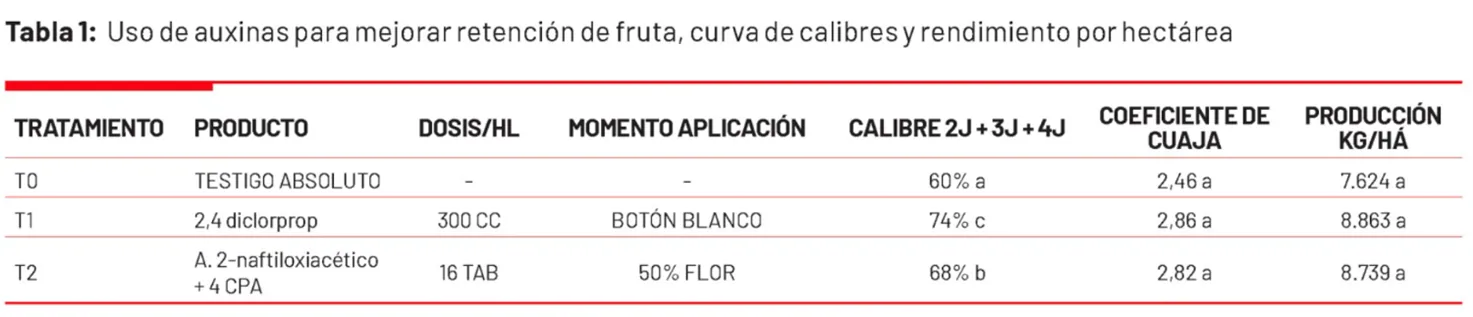
Together with the Cropsolutions team, a company dedicated to validating products and strategies for fruit production, of which I am technical director, we evaluated the effect of multiple auxin formulations, two of which are mentioned below.
- The first synthetic auxin evaluated was 2,4-DP (Stone Gross), applied early from exposed cluster to white bud stage, at concentrations of 50 and 75 ppm of active ingredient (a.i.; 200 cc hL⁻¹ and 300 cc hL⁻¹ of commercial product).
- The second auxin evaluated was 2-naphthoxyacetic acid and 4-CPA (Propulse), with the same objective.
The dose recommended on the manufacturer’s label was used, based respectively on 32 ppm and 4 ppm a.i. (16 tablets hL⁻¹ of commercial product).
Both results were consistent and showed significant differences compared to the absolute control.
ETHYLENE SYNTHESIS INHIBITORS
As mentioned earlier, during flower opening, the plant synthesizes auxins in meristematic tips and ovary walls.
However, it also synthesizes ethylene at the base of the ovary, causing tissue senescence and reducing the number of flowers that develop into fruits.
Slowing down ethylene synthesis increases the probability of fruit set by extending the effective pollination period, ensuring that flowers with viable structures remain functional for longer.
These applications should be carried out from the beginning of flowering up to 30% open flowers, as the earliest flowers have the highest potential for fruit size and fruit set due to their more mature and developed structures.
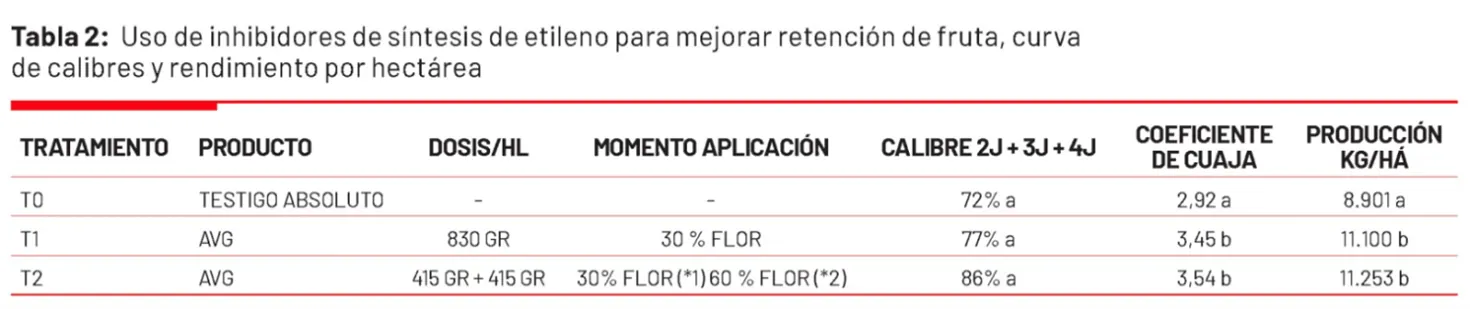
This is where aminoethoxyvinylglycine or AVG (Retain) comes into play, a natural product derived from a secondary metabolite of the fungus Streptomyces spp.
Its main effect is due to reduced endogenous ethylene production, delayed senescence, prolonged flower vitality and increased probability of fruit set.
This temporary inhibition of ethylene synthesis can last 4 to 5 days, which is very useful since flower vitality depends on variety and climatic conditions during flowering, particularly temperature, and can range from 4 to 6 days, with the 3rd or 4th day being the most fertile.
The dose corresponds to 83 g of commercial product in 100 L of water, with a spray volume of 1,000 L/ha.
Application is recommended under slow-drying conditions, pH 5.5 to 6, without tank-mixing with other products.
At Cropsolutions, we evaluated this product from Sumitomo and present the results below.
Other commercial options targeting the same niche but not yet evaluated by us include Biohold (Stoller) and Ripstop (Tavan).
CYTOKININS
Cytokinins are endogenously synthesized in root meristematic apices, therefore the plant’s natural cytokinin supply to enhance physiological processes during vegetative growth is limited.
This is because root growth generally begins later than when cell division stimulation is required, which occurs, depending on variety, between 25 and 35 days after full bloom.
For this reason, exogenous canopy application by the grower has a significant impact on final fruit size.
In general, this hormone is related to the cell division process, which in cherry trees can extend up to 25–35 days after full bloom (DAFB), representing the optimal timing for application to increase fruit size.
It also plays a secondary role in fruit retention and cell elongation and, together with auxins and gibberellins, is one of the hormones that enhance these processes.
According to numerous studies conducted by consultant Carlos Tapia and the Avium SPA team, the period of greatest fruit growth during the season occurs in the first phase of development, known as cell division, and is directly related to cytokinin application.
In our industry, we have several cytokinin options, ranging from natural ones such as products containing zeatins, betaines or benzyladenines, to synthetic ones such as CPPU and thidiazuron.
At Cropsolutions, we have evaluated most of the cytokinin alternatives available on the market and can state that responses in size curve increase were higher and more consistent with the use of benzyladenines, CPPU and thidiazuron compared to products including zeatins and betaines.
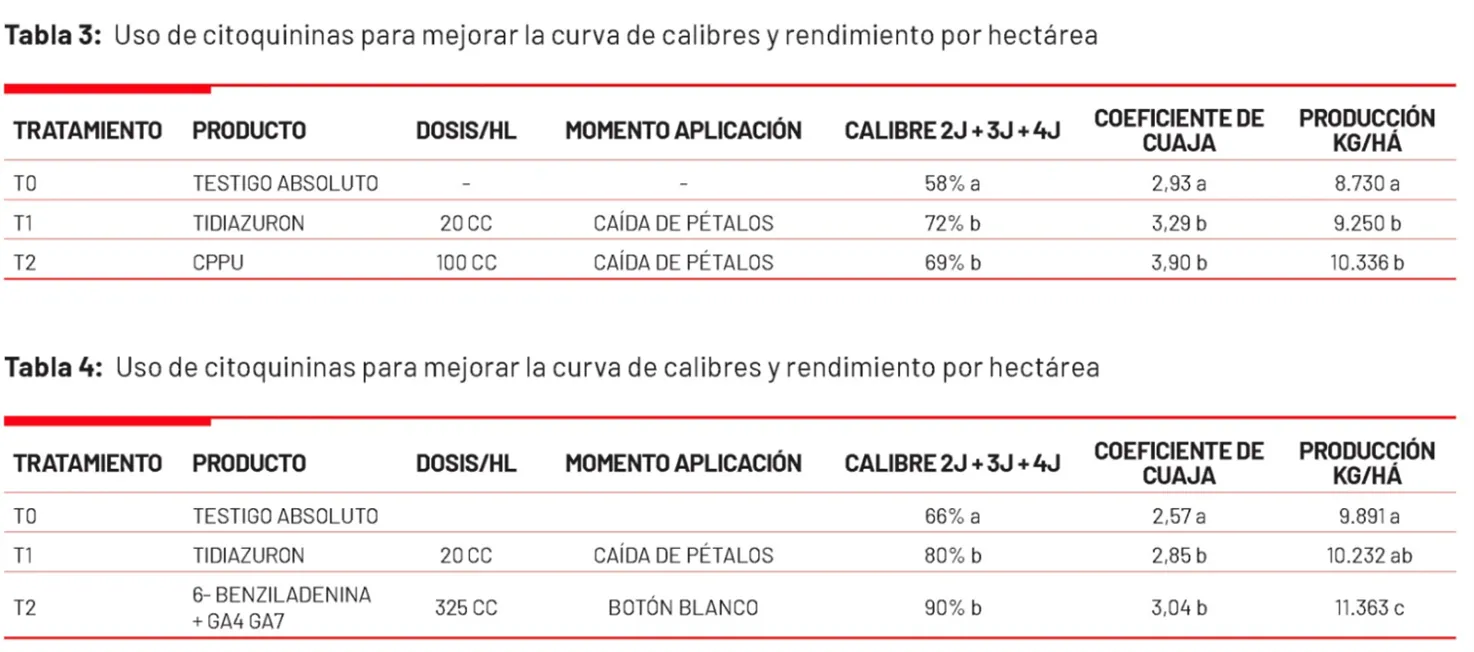
On the other hand, we evaluated different strategies in terms of timing, dosage and alternation, consistently obtaining favorable results with statistically significant differences compared to an absolute untreated control, showing increases in weight, firmness and soluble solids content.
At the same time, the use of certain seaweed-based biostimulant sources showed favorable results in improving fruit size; however, it should be emphasized that seaweed extracts are only hormone synthesis precursors and cannot be considered cytokinin sources at this stage.
Among the most commonly used seaweeds are Ascophyllum, Ecklonia and Durvillaea.
Application timing is critical: best results are obtained when cytokinins are applied early, from the beginning of flowering to petal fall, alternating a natural option such as zeatins or betaines or 6-benzyladenine with a synthetic option such as CPPU or thidiazuron.
GIBBERELLINS
The third regulator integrated into in-season management strategy is gibberellins, particularly GA₃, whose mode of action is related to cell elongation during fruit development.
This process is activated in the third phase of fruit development, which ranges from straw color (green fruit) to yellow.
This phenological stage generally begins between 40 and 50 days after full bloom, depending on the variety, such as Santina or Lapins.
Gibberellic acid (GA₃) is applied foliarly, ensuring good coverage, slow drying and water pH between 5.5 and 6.
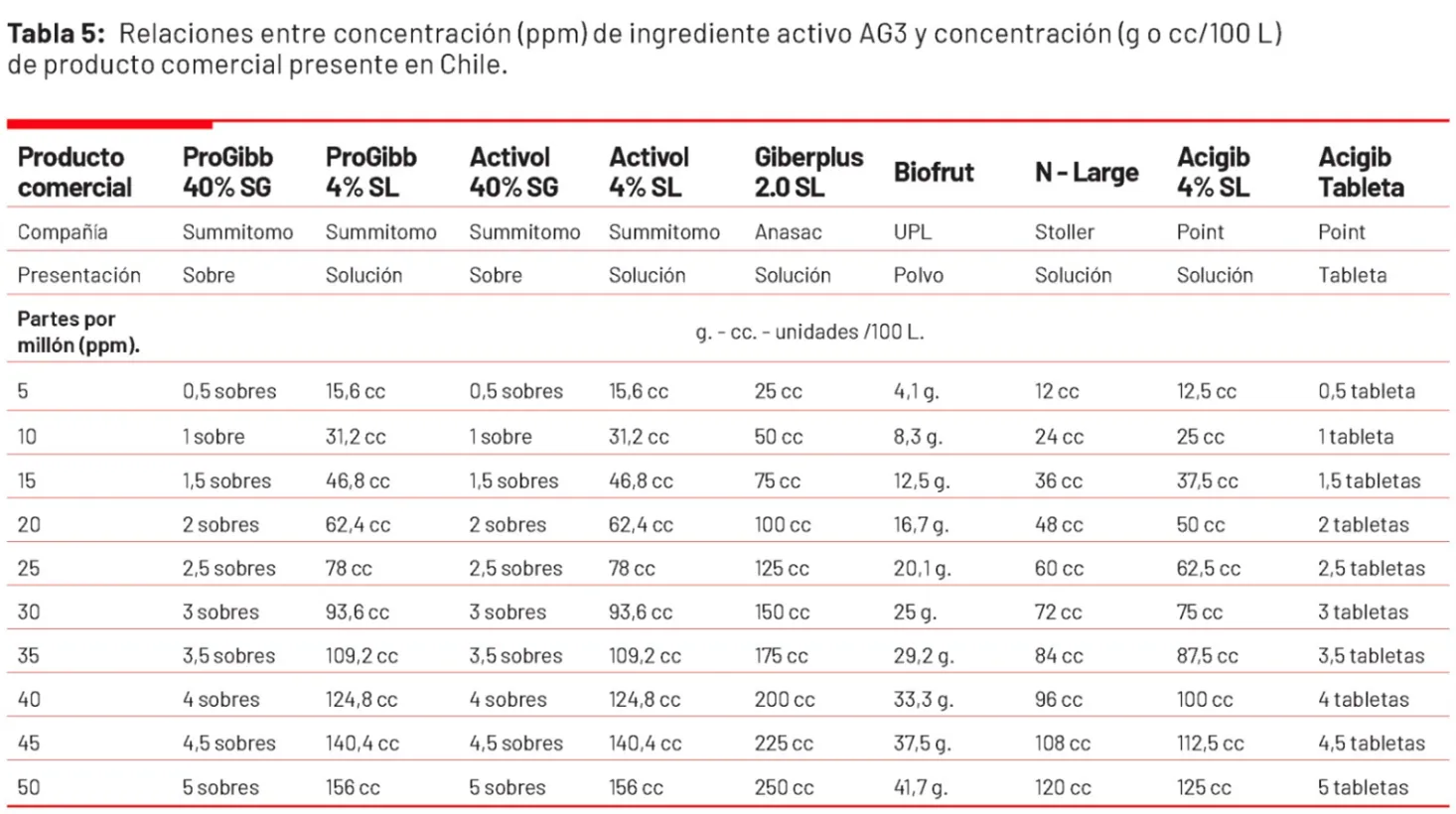
Regarding recommended doses, these are expressed based on a known concentration (ppm), which depends on the variety, as varieties differ in susceptibility to cracking, delayed color development or crop load regulation.
It is very important to know the available fruit volume at the time of application, as dosage depends on this parameter.
It generally ranges from 2 to 3 ppm per ton for most varieties, except Brooks and Royal Dawn, which are highly susceptible to cracking, where dosage ranges from 1 to 1.5 ppm per ton of fruit.
Very high doses cause faster and greater pedicel dehydration, which may even lead to reduced flower induction at doses above 100 ppm.
Regarding the number of applications, there is no consensus on whether one or two applications increase fruit size, as this largely depends on fruit development uniformity.
Based on my experience and recommendations, I prefer a single application splitting the total dose in two, since fruit absorption efficiency of growth regulators is very low and concentration is critical to trigger a response.
There are multiple GA₃-based formulations on the market, listed in Table 5, indicating the commercial product dose (ppm) to be achieved.
Some studies have shown positive effects in reducing epidermal defects such as pitting, bruising and lizard skin in GA₃-treated fruit, as well as helping delay harvest onset at pit hardening stage (green to yellow).
GIBBERELLIN SYNTHESIS INHIBITORS
The use of these growth regulators is highly relevant in vigorous cultivar/rootstock combinations, but vigor expression is not always evident; therefore, the orchard must have this potential in order to be exploited, as large trees are often mistaken for vigorous ones.
That said, the use of gibberellin synthesis inhibitors is very important to reduce excessive vigor, as the product acts by inhibiting the dioxygenase enzyme involved in the final stages of gibberellic acid biosynthesis, thereby increasing the length of new shoots.
Additionally, it inhibits the conversion of 2-oxoglutaric acid to succinic acid and ACC oxidase, thus reducing ethylene levels.
If applied at high doses, the product inhibits 2-oxoglutarate, responsible for anthocyanin formation, without altering fruit color because its effect is not prolonged.
The most appropriate time to begin applications is during the stage between full bloom and petal fall, as this is when competition between fruits and buds also occurs.
This is therefore when efforts should be focused on using these plant growth regulators, as later, once shoots are active, the effect is less pronounced.
The flagship product for vigor management is Regalis, applied at a dose of 200 g/hl plus 10 cc/hl of surfactant.
In my experience, this product works best with a single application at the phenological stage mentioned above, followed by a second application on the upper third of the tree 12–15 days later.
A third application on the upper third may also be required, again at the same 12–15 day interval.
The use of growth regulators will depend on each specific case, taking into account the pedoclimatic zone, cultivar/rootstock combination and the health and vigor status of the orchard.
For this reason, orchard evaluation by the consultant is essential to determine appropriate regulator use and achieve the plant’s maximum potential, resulting in improved fruit quality, condition and size.
Christian Gallegos
Blueberry and cherry consultant, founder of Berrycherry, technical director of Cropsolutions
Source: Mundoagro Magazine, cherry special, 2025
Opening image source: Stefano Lugli
Cherry Times – All rights reserved