Hungarian cherry breeding project celebrates 70 years of success

12 May 2023
2180

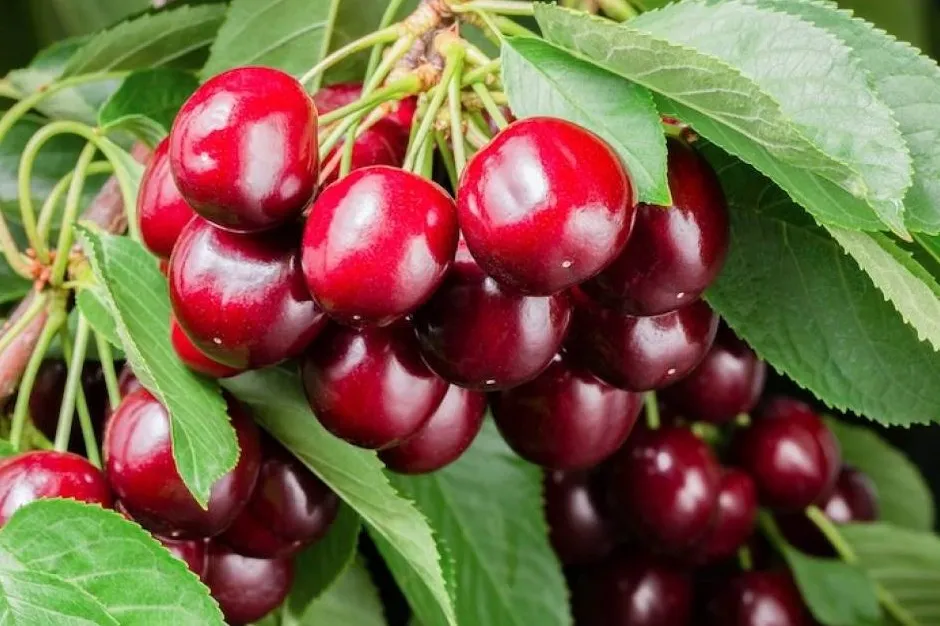
Hungary's impressive cherry breeding programme recently celebrated its 70th anniversary. Started in the early post-war period by the late S. Brózik, one of the most prolific researchers and breeders in the world, the programme was continued by J. Apostol and, more recently, by Z. Békefi.

From the very beginning, the project was turned over to the Fruit Research Institute, then passed into the hands of NARIC - National Agricultural Research and Innovation Centre at the turn of the century and, from 2021, to the Hungarian University of Agriculture and Life Science in Budapest. All in all, more than 30 cherry varieties have been released.

In chronological order: the first clones (1, 3 and 45) from the selection of the local variety Germersdorfer (1980s); the varieties Margit, Linda, Katalin and Kavics (1990s); Aida, Anita, Axel, Carmen, Paulus, Petrus, Sandor, Tunde and Vera; Elvira (Edit), Magdolna, Kira, Pillangó (Papillon) and the new late selection 16/77 (2020s).

Read the full presented at Macfrut 2023 by Zsuzsanna Békefi, the current Hungarian project leader.


Cherry Times - All rights reserved

What to read next

Soluble solids and acidity in cherries: the role of controlled atmosphere storage

Post-harvest​

09 Sep 2024

One of the systems tested on a smaller scale is the use of controlled atmosphere (CA) in various combinations, as the decrease in oxygen (O2) and increase in carbon dioxide (CO2) play a key role in the metabolism of the fruit, through the respiratory process.

Amino acids can be used to make plants more resistant to waterlogging

Tech management

23 Nov 2023

Rootstock tolerance to conditions of soil saturation can be improved through the activation of enzymatic and non-enzymatic antioxidant defence mechanisms by the application of amino acids that can improve the plants' response to unfavourable conditions caused by water logging.

In evidenza

Sustainable management of bacterial canker defence in cherry trees

Crop protection

17 Feb 2026

An INIA study published in Plants explains why bacterial canker of cherry remains persistent in Chile. Researchers analyzed Pseudomonas syringae populations adapted to local conditions and more resistant to copper, supporting more integrated and sustainable management strategies.

Sweet cherries: CaCl2 and MAP improve quality and shelf life during cold storage

Post-harvest​

17 Feb 2026

A study on ‘0900 Ziraat’ sweet cherries shows that combining 4% calcium chloride with modified atmosphere packaging (MAP) reduces weight loss, respiration and decay, preserving organic acids, vitamin C and phenolic compounds during cold storage and extending overall shelf life.

Tag Popolari