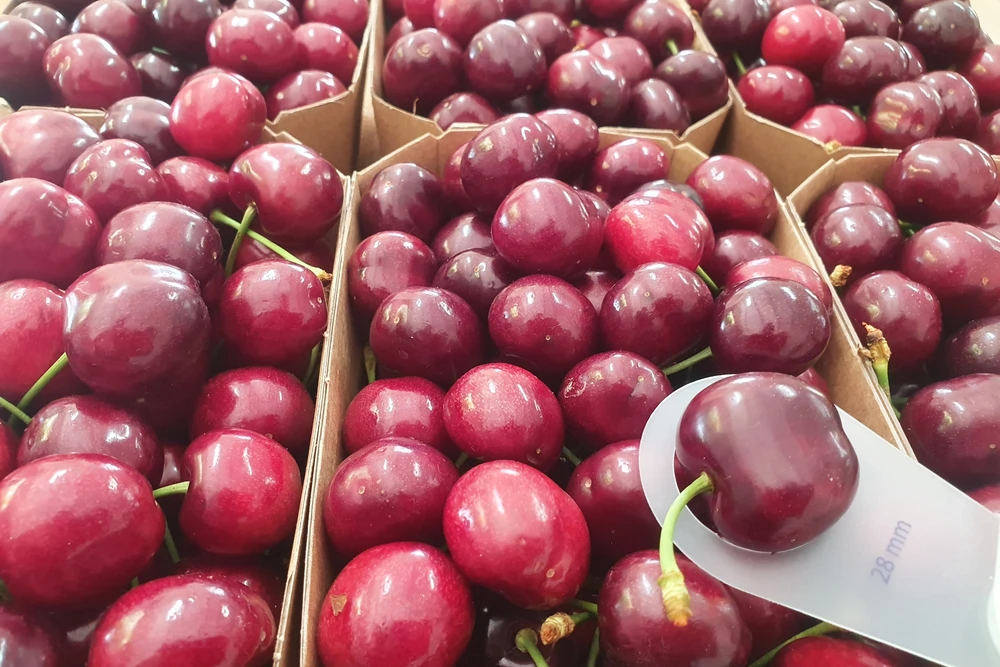
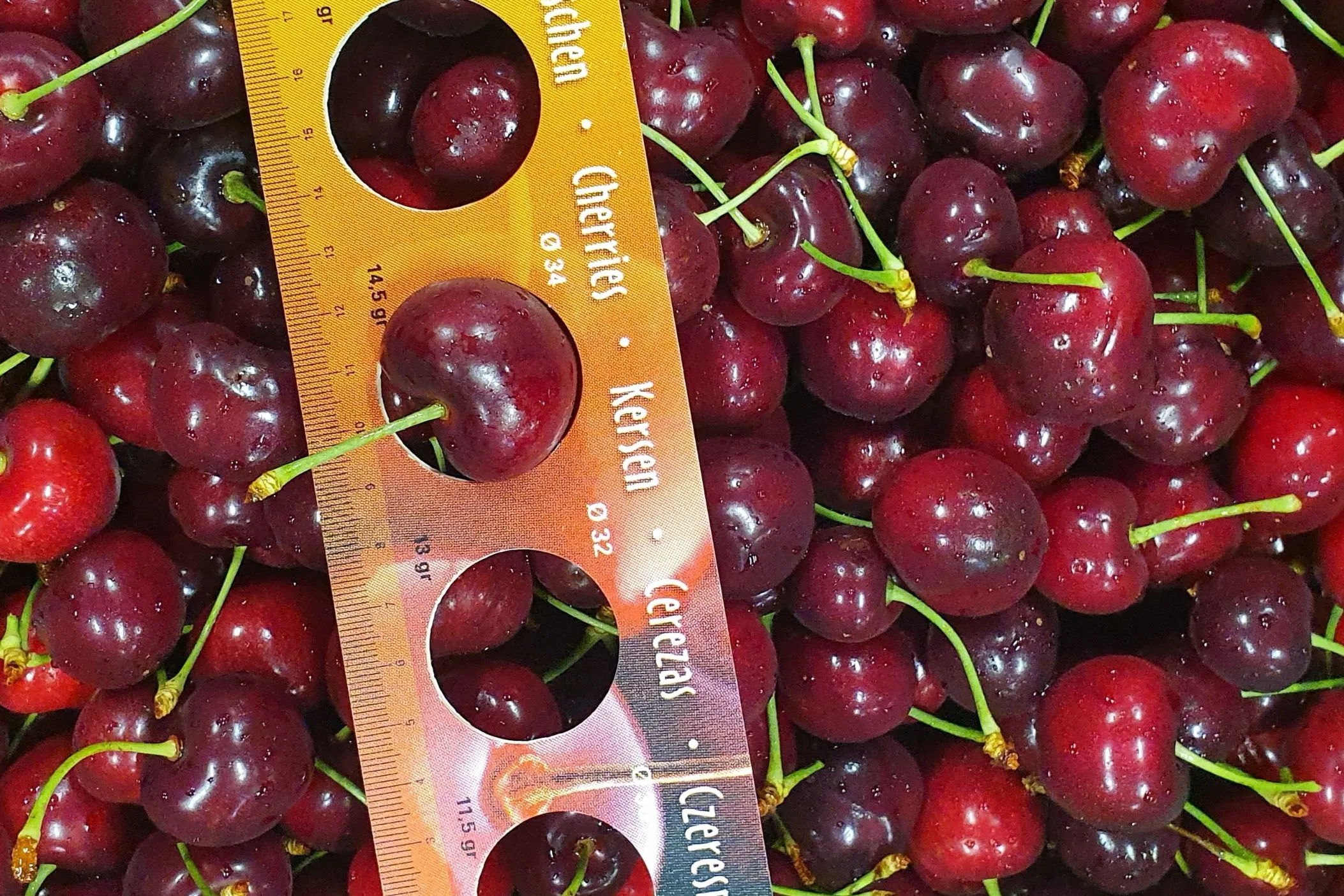
Mercadona is raising the bar of its strategy on seasonal fresh produce and is placing cherries at the center of its 2026 campaign. The retailer plans to purchase over 6,000 tons of product of Spanish origin starting from May, doubling the volumes of the previous season. A decision that focuses on proximity, national supply chain and continuity of supply across stores throughout the country.
The operation announced by Mercadona represents a strong signal for the fruit and vegetable sector. The plan covers the period between May and August, when cherries reach their peak in terms of sweetness, firmness and organoleptic quality.
The most relevant figure is volume: more than 6,000 tons of Spanish cherries, equal to double compared to the previous campaign. This choice confirms the retailer’s intention to strengthen domestic product and reduce dependence on imported fruit, favoring local harvesting and faster distribution.
According to the outlined approach, the goal is to ensure from the very beginning of the season a constant presence of cherries on shelves, with expected benefits also in terms of price stability for consumers.
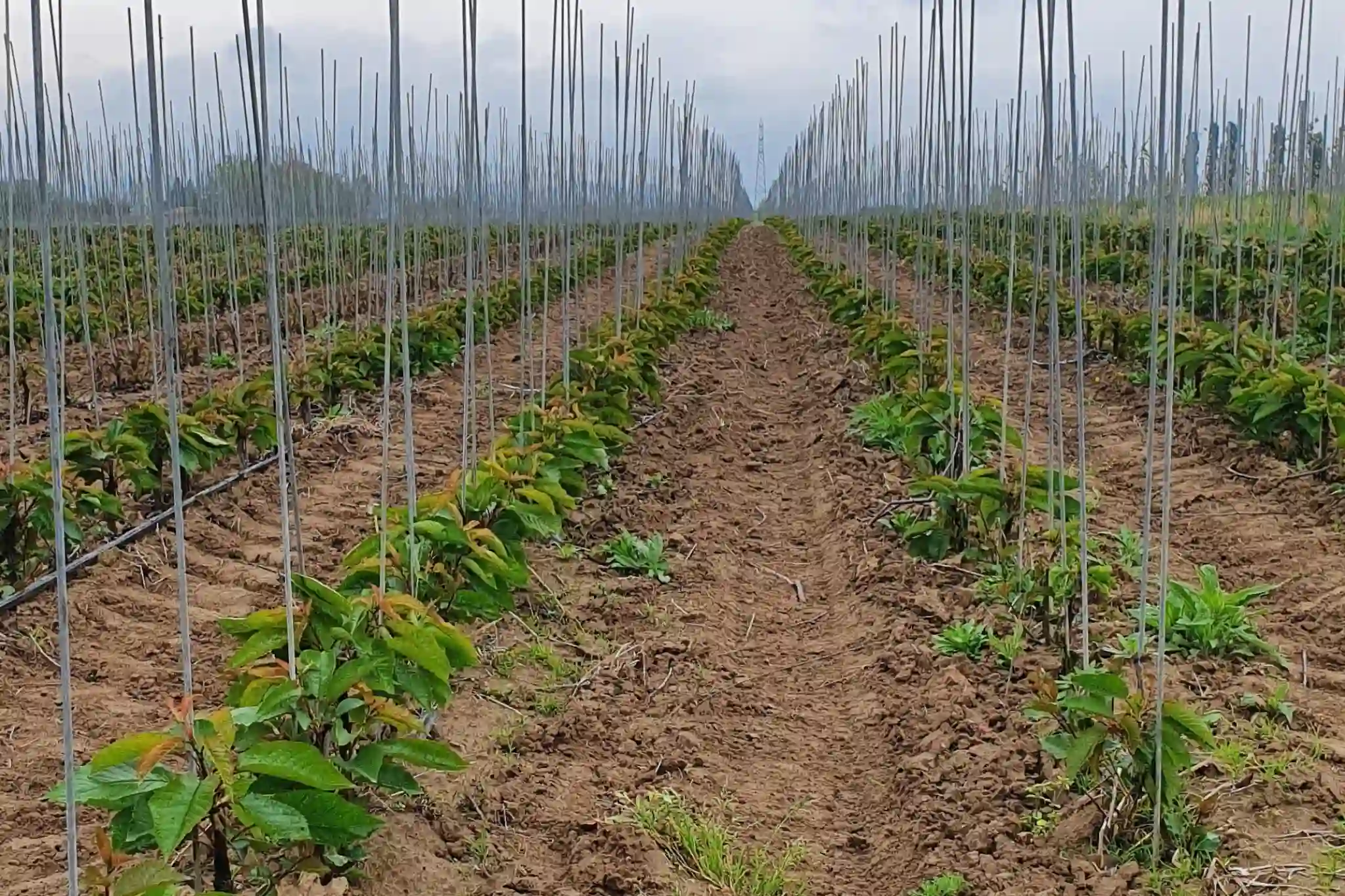
The role of national suppliers and the weight of Aragon
Although this is a strategy with nationwide impact, Aragon emerges as one of the key areas within the supply network. Mercadona works exclusively with domestic suppliers, including companies such as Frutaria and Summerfruit, considered central to achieving the planned volumes.
Alongside them are also Campo y Tierra, Agrupación Cooperativas Valle del Jerte and Catafruit, within a supply system involving several production regions across the country. For the sector, this means relying on a more streamlined logistics system and reduced time between harvest and shelf.
Proximity, seasonality and perceived quality
The decision to focus on Spanish-origin cherries is part of a broader vision oriented toward seasonal and local products. In this context, Mercadona also refers to the initiative of the Ministerio de Agricultura, Pesca y Alimentación aimed at promoting “Frutas y Verduras de temporada”.
For consumers, the lever is twofold: on one hand, fruit harvested at the right moment of the season, and on the other, greater freshness linked to shorter distances along the distribution chain. For agricultural territories, the benefit lies in a more stable commercial outlet for production.
Good commercial practices and supply chain support
One of the highlighted aspects concerns Mercadona’s adherence to the Code of Good Commercial Practices in Food Contracting. The reference is not merely formal: the aim of the agreement is to promote a more balanced functioning of the supply chain, preventing price pressure from falling entirely on the agricultural side.
For rural areas where the primary sector remains essential, agreements of this scale can translate into greater production continuity, protection of employment and enhancement of agricultural work. The plan also extends beyond physical stores to include the retailer’s online channel, which is becoming increasingly relevant.
Price benefits as well
The original text highlights an interesting point: focusing on domestic and seasonal products can also benefit household budgets. By reducing long-distance transport, intermediaries and import-related costs, the short supply chain can contribute to greater retail price stability.
In this sense, the 2026 cherry campaign appears as a strategy aiming to combine affordability, clear origin and enhancement of the Spanish fruit sector.
Conclusion
Although the first batches will reach stores in the coming weeks, the direction is already clear: Mercadona wants to make Spanish cherries one of the symbols of the 2026 season.
The doubling of purchases, the involvement of national suppliers and the focus on proximity outline a strategy that may impact both consumption and the stability of the supply chain. For the cherry sector, it is a sign of confidence that looks not only at the market, but also at the future of producing regions.
Source: www.hoyaragon.es
Image source: Stefano Lugli
Cherry Times - All rights reserved