June 1, 2026
Claudio Figueroa, Agronomist, INIA Rayentué. Edgard Álvarez, Agronomist, M.Sc., INIA La Platina. Mónica Madariaga, Ph.D. in Biology, INIA La Platina. Bruno Defilippi, Agronomist, Ph.D., INIA La Platina. José Manuel Donoso, Agronomist, M.Sc., Ph.D., INIA Rayentué
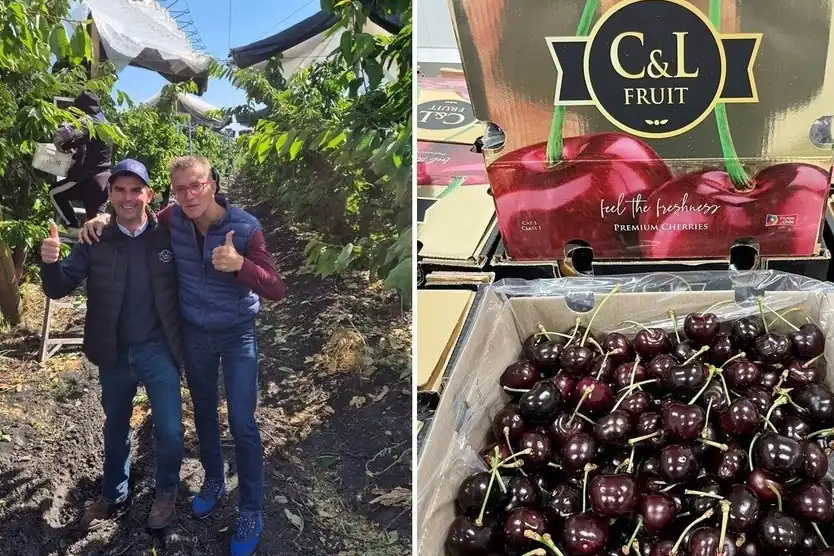
 Source: Stefano Llugli
It has been reported that there is a genetic component associated with varietal susceptibility: Santina, Lapins, Regina and Sweetheart are among the most sensitive varieties, while Bing and Rainier show a lower incidence.
In the fruit industry, and particularly in the cherry sector (Prunus avium L.), requirements for fruit quality and condition have reached unprecedented levels of competitiveness. Today, large calibres, high sugar levels (Brix degrees), balanced flavour or sufficient firmness to withstand transport to distant destinations are no longer enough. The aesthetic appearance of the fruit is a decisive and critical factor in the final consumer’s purchasing decision, as it reflects the overall quality and freshness of the cherry.
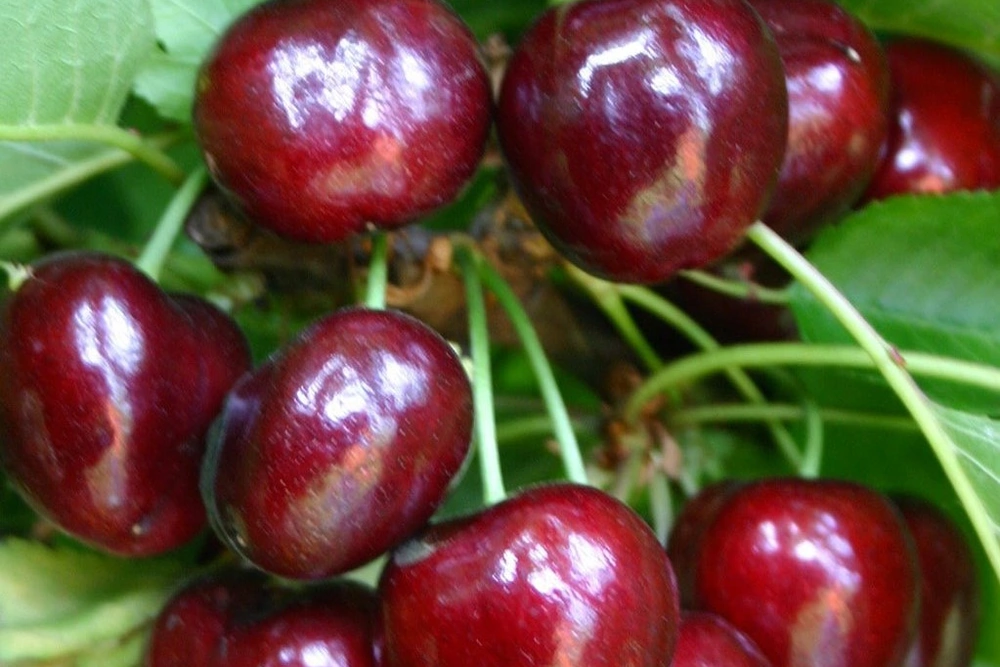
In recent seasons, an increase has been reported in the occurrence of a physiological disorder affecting the fruit’s appearance, mainly developing during cold transit to the destination in the post-harvest phase and, to a lesser extent, before harvest in the orchard. This alteration affects the fruit epidermis, compromising its appearance and reducing its market value, which is why it has become commonly known as “Lizard skin” or “Orange peel”.
This alteration is characterised by the appearance of roughness on the epicarp, that is, on the fruit skin, similar to the surface of orange peel. Studies conducted in Germany and Chile have shown that the phenomenon mainly appears from the first days of storage, although in extreme cases it may already develop before harvest in the orchard. The disorder directly affects the visual appearance of the fruit, both in terms of its surface topography and shine, without compromising the integrity of the mesocarp, that is, the flesh, nor the flavour or internal appearance.
Source: Mundoagro
[...]
Would you like to learn more about this topic? The full article is reserved for subscribers to the Cherry Times newsletter! Subscribe free of charge to receive every new exclusive in-depth article directly in your inbox and stay constantly updated with quality insights and analysis. Do not miss this unique opportunity!
Subscribe free of charge to the Cherry Times newsletter
Cherry Times - All rights reserved