Accurate identification of phenological stages is essential for effectively scheduling orchard management practices in sweet cherry, particularly when climate variability makes simple reliance on calendar dates less reliable.
A recent study developed and described an extended phenological scale based on the BBCH system for five sweet cherry cultivars, with the aim of standardizing the coding of developmental stages and improving its precision under field conditions.
The study was conducted in Kashmir, India, over two growing seasons (2022 and 2023), using seven-year-old trees of the cultivars ‘Lapins’, ‘Regina’, ‘Burlat’, ‘Hertford’, and ‘Karina’.
Phenological scale
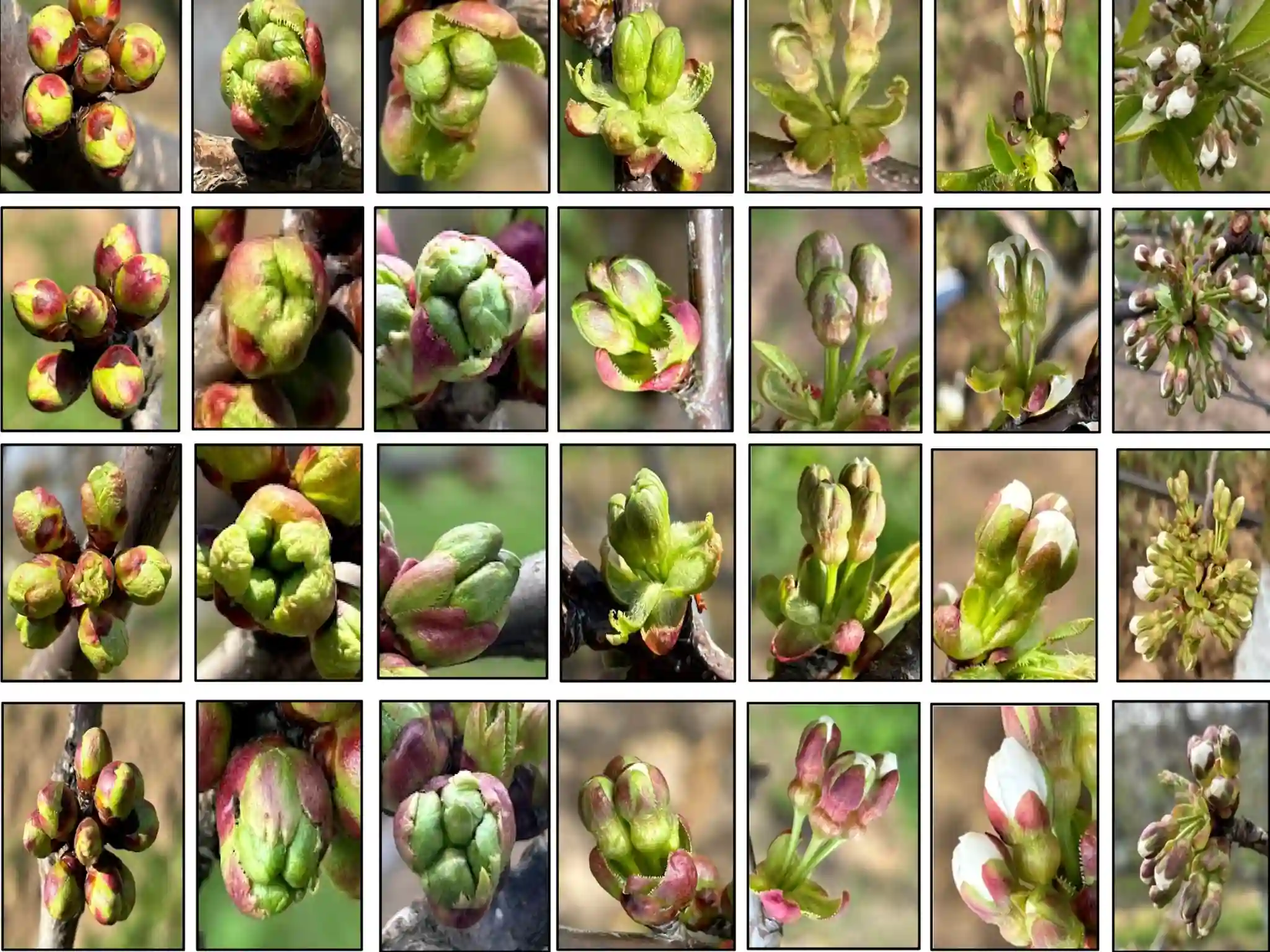
The observations characterized the entire annual crop cycle, from dormancy to senescence, identifying eight of the ten principal growth stages defined by the BBCH scale: bud development (stage 0), leaf development (1), shoot development (3), inflorescence emergence (5), flowering (6), fruit development (7), fruit maturation (8), and senescence/beginning of dormancy (9).
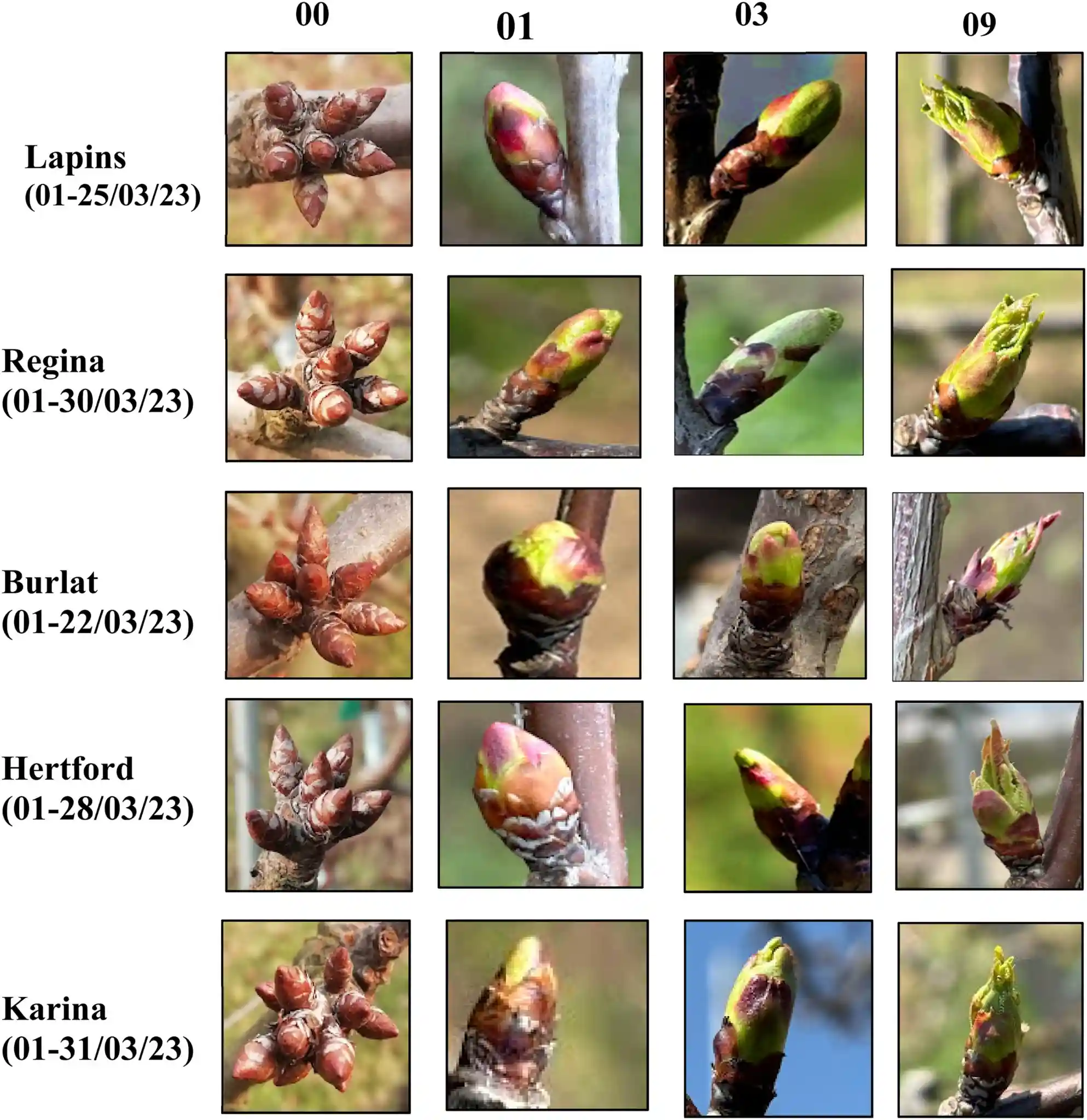 Figure 1. Bud development stage (PGS 0) of different sweet cherry cultivars according to the BBCH scale.
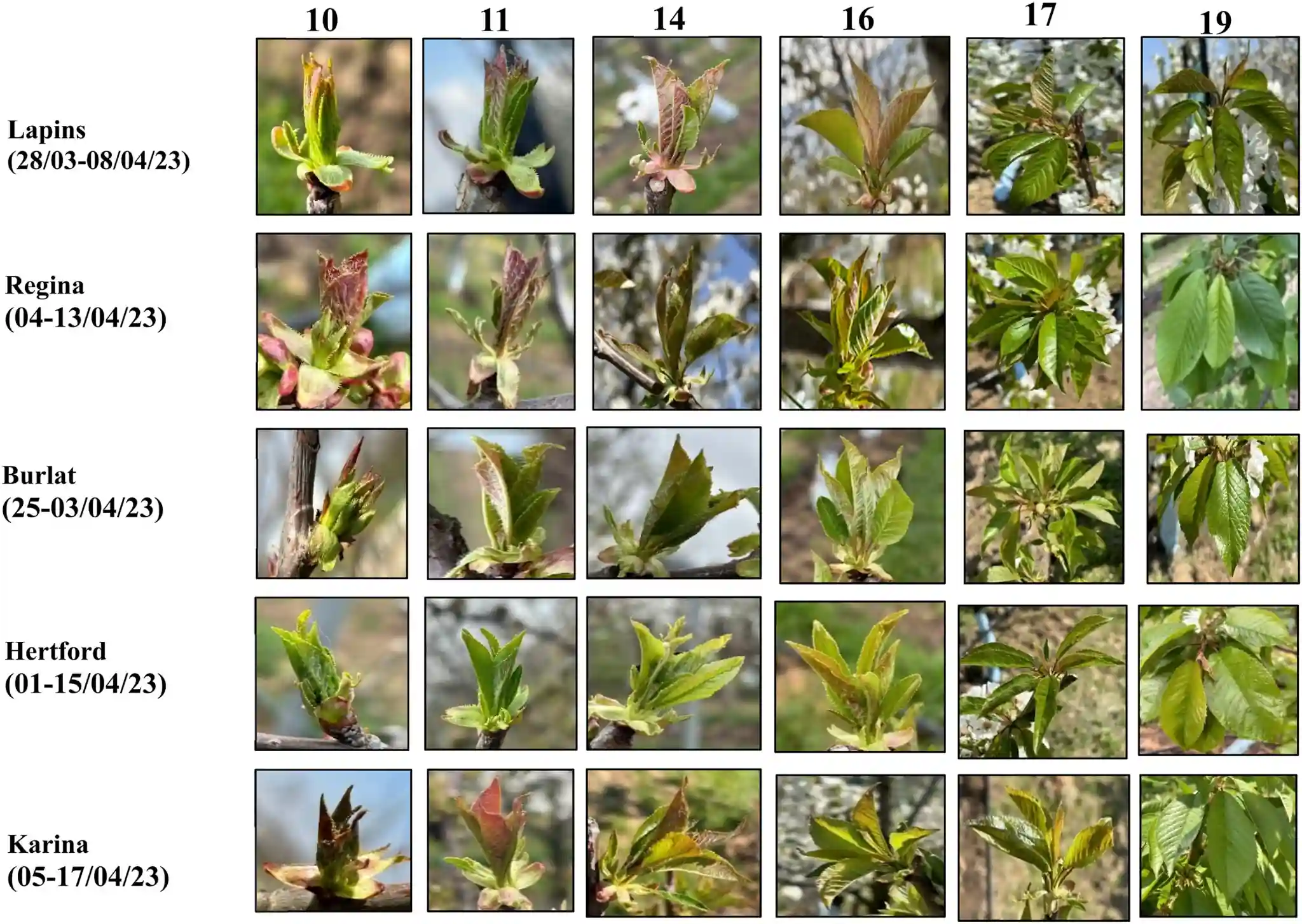 Figure 2. Leaf development stage (PGS 1) of different sweet cherry cultivars according to the BBCH scale.
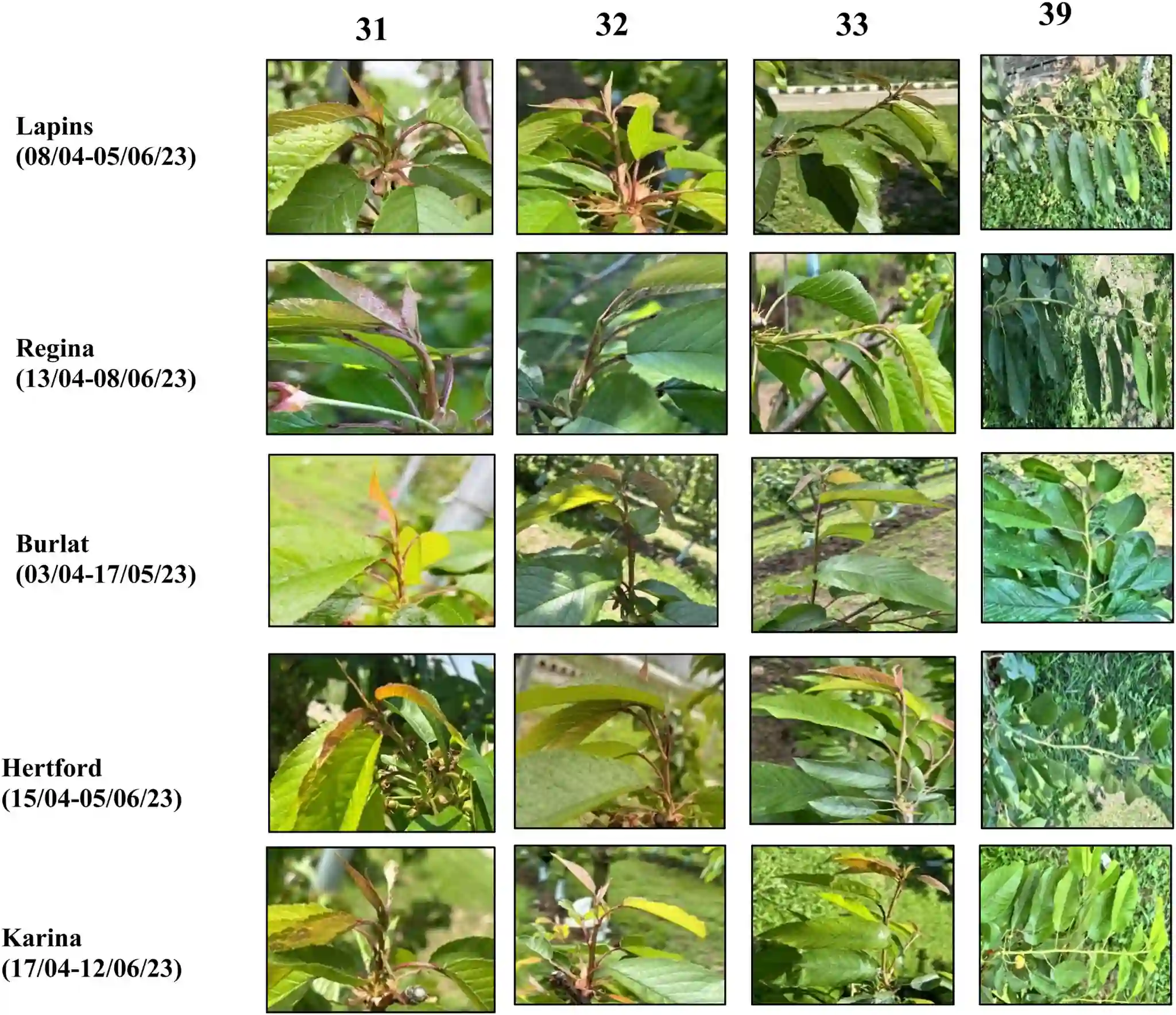 Figure 3. Shoot development stage (PGS 3) of different sweet cherry cultivars according to the BBCH scale.
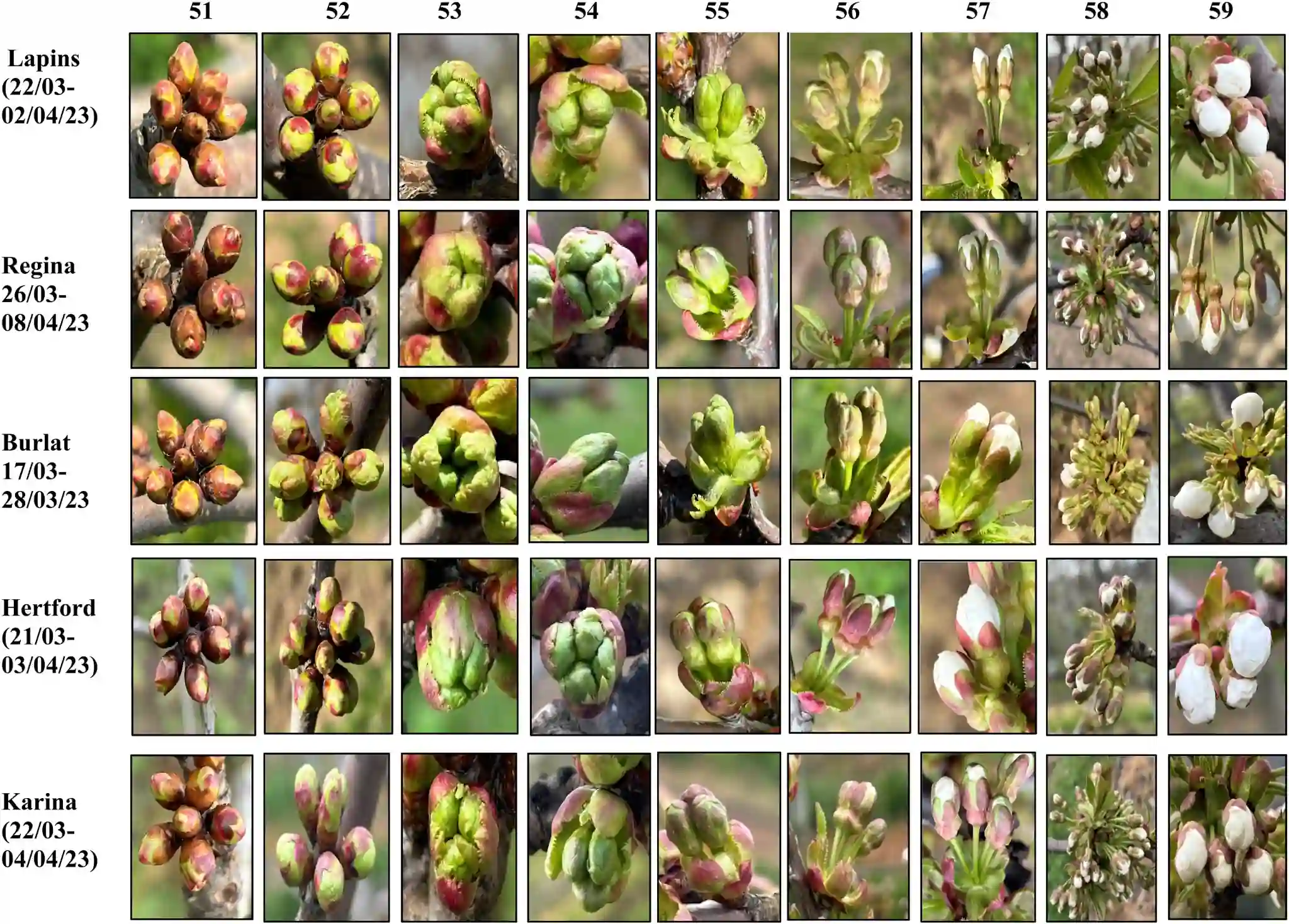 Figure 4. Inflorescence emergence stage (PGS 5) of different sweet cherry cultivars according to the BBCH scale.
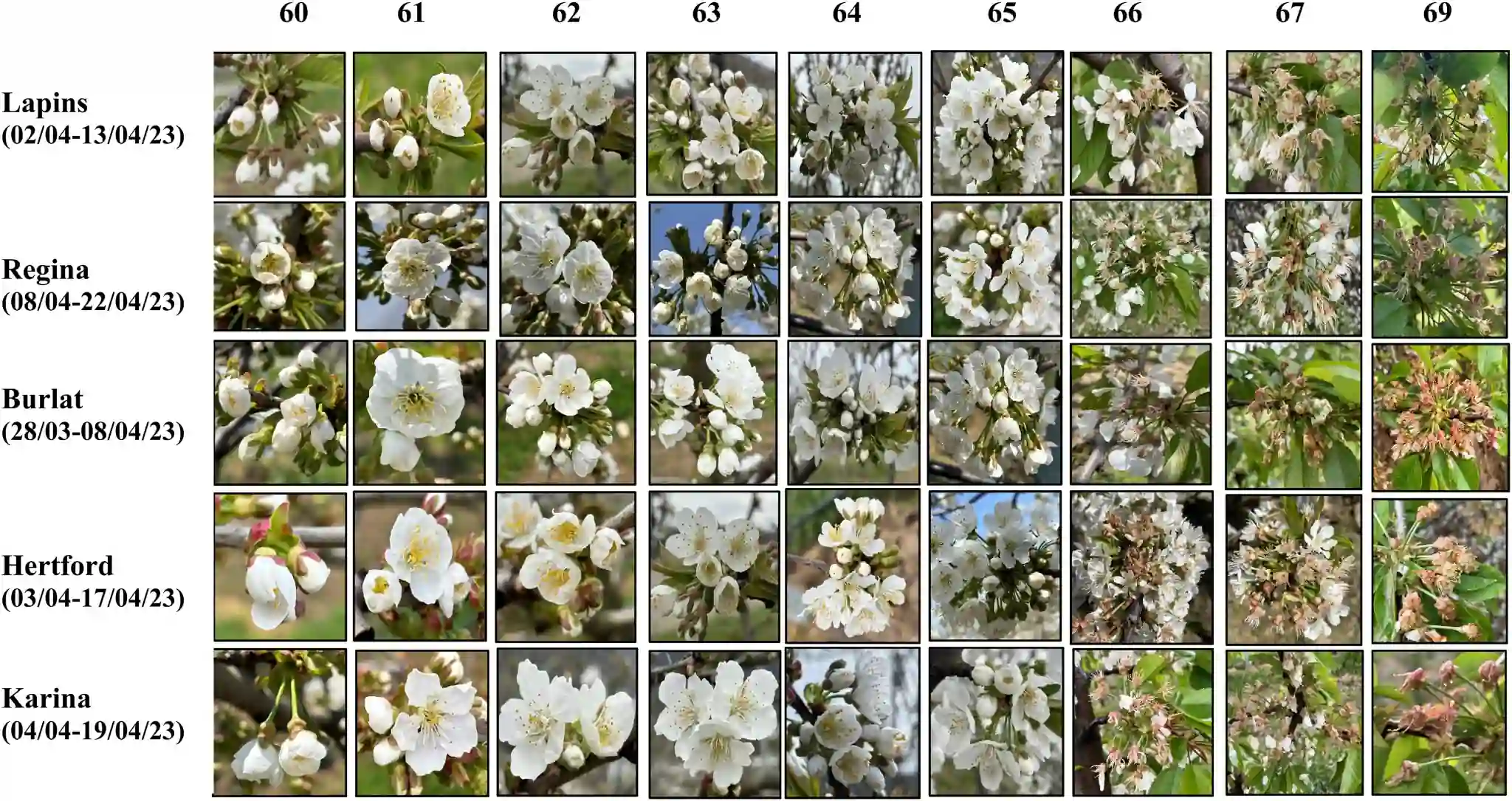 Figure 5. Flowering stage (PGS 6) of different sweet cherry cultivars according to the BBCH scale.
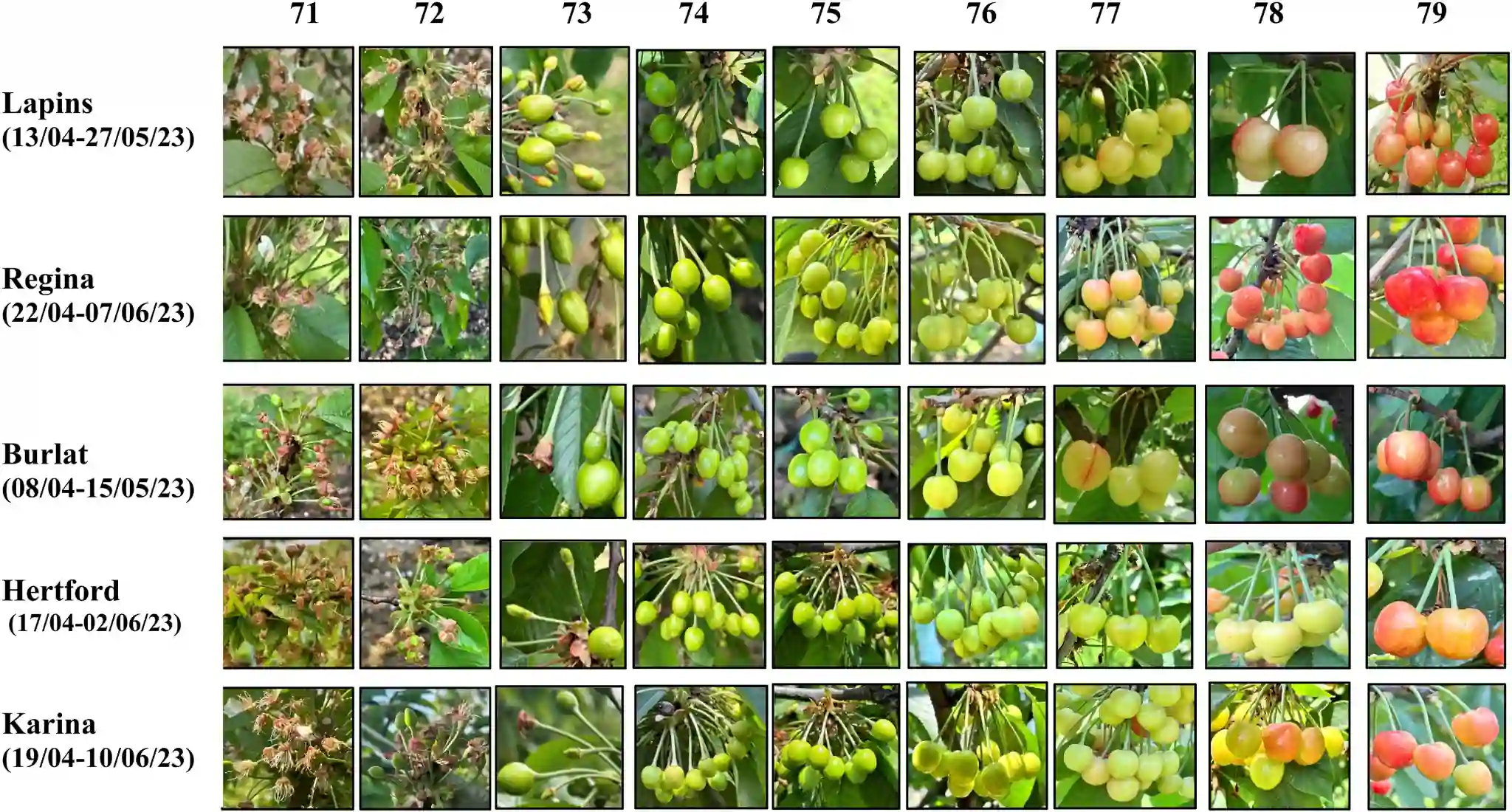 Figure 6. Fruit development stages of sweet cherry according to the BBCH scale.
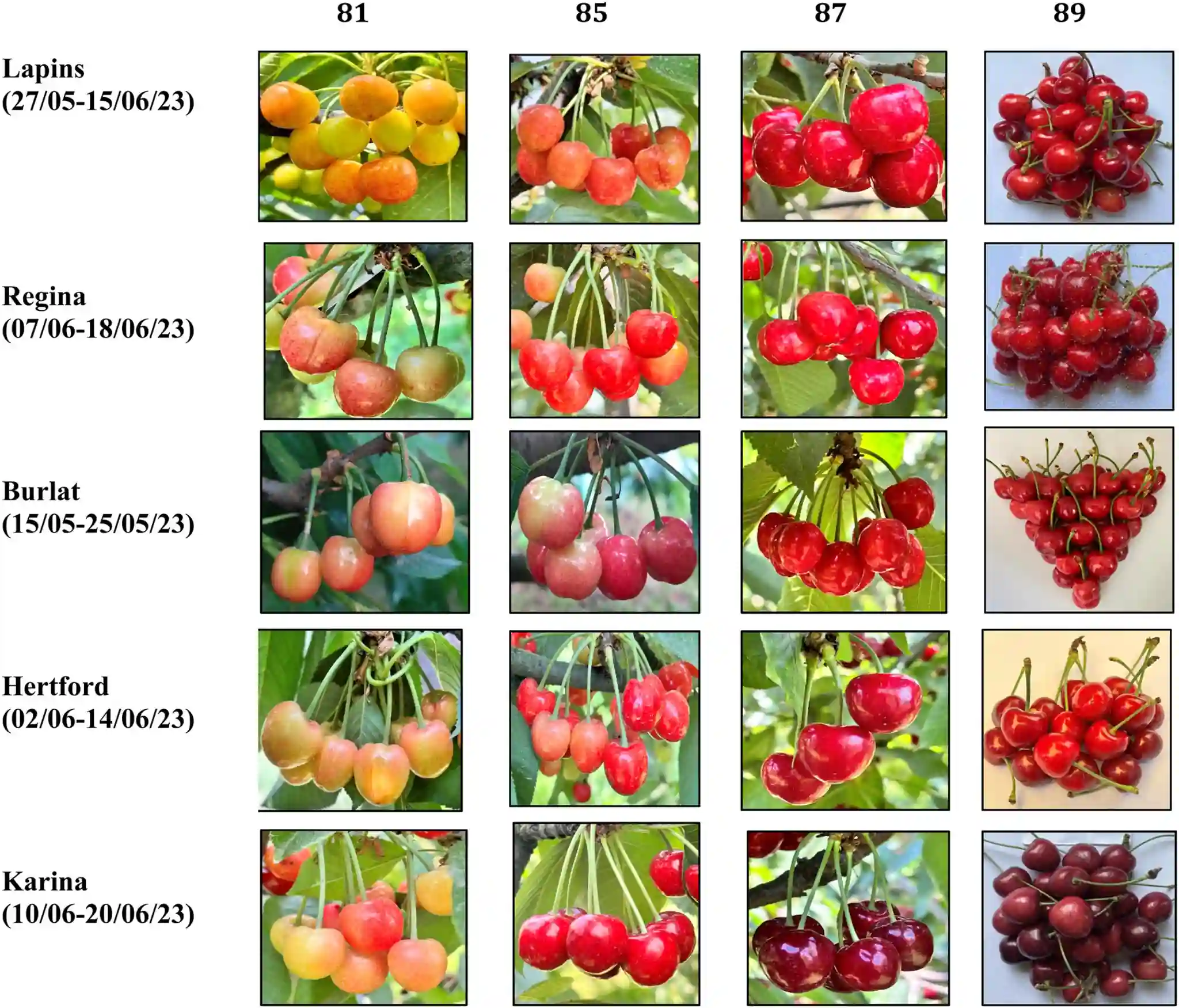 Figure 7. Fruit maturation stages of sweet cherry according to the BBCH scale.
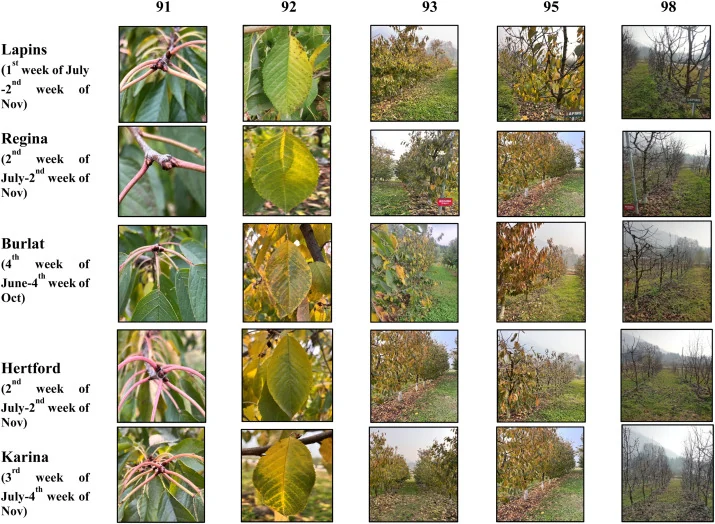 Figure 8. Senescence stages of sweet cherry according to the BBCH scale.
In total, 50 secondary growth stages were described, associated with numerical codes and documented photographically, providing a detailed visual reference for identifying the different phases of development.
Bud development occurred approximately between the first and last weeks of March, while leaf expansion continued until the third week of April.
Shoot development began during the second week of April and ended around the second week of June. Inflorescence emergence preceded flowering, with full bloom of the cultivars observed between late March and early April, approximately 4–6 weeks after bud break.
Regarding cultivar-specific dynamics, ‘Burlat’ showed faster bud development and a shorter overall fruit growth period, confirming it as the earliest cultivar among those studied.
Cultivar-specific dynamics
In contrast, ‘Regina’ and ‘Karina’ showed later fruit maturation. ‘Regina’ also had the longest flowering period, a characteristic that could make it of interest as a pollinizer cultivar.
Fruit maturation was coded according to the progressive change in fruit colour until the stage suitable for harvest was reached; ‘Lapins’, a late-maturing cultivar, was harvested in mid-June.
Standardization is particularly relevant for orchard management because it makes it possible to link agronomic practices to specific developmental stages rather than predetermined calendar dates.
Orchard management
BBCH coding can therefore support operations such as pruning, thinning, and plant protection treatments, while also improving the monitoring of major pests and diseases.
In particular, accurate identification of flowering stages can help to target interventions against pathogens such as Monilinia spp. and, more broadly, support integrated pest management strategies.
The scale also provides a useful reference for studying the effects of climate change: because temperature, chilling accumulation, and heat availability strongly influence dormancy release, comparing phenological codes across years and locations can reveal advances or delays in plant development.
Climate and monitoring
The researchers nevertheless emphasize that further multi-site and multi-year observations are required to validate the scale, together with models based on growing degree days (GDD) and chilling accumulation.
Further development could result from integrating the scale with digital phenotyping, remote sensing, and automated image analysis techniques.
Overall, the study proposes a practical tool for uniformly describing sweet cherry phenology and establishing a common framework for research, orchard management, and the monitoring of cultivar responses to environmental conditions.
Source: Hassan, S., Sundouri, A. S., Kumar, A., Manzoor, H., Banoo, Z., Shah, M. A., Jan, R., Maqbool, B., & Bashir, M. (2026). Codification and Description of Phenological Stages of Sweet Cherry Cultivars Using Extended BBCH-Scale. Scientia Horticulturae, 366, 115047. https://doi.org/10.1016/j.scienta.2026.115047
Image source: Hassan et al., 2026
Andrea Giovannini
PhD in Agricultural, Environmental and Food Science and Technology – General Arboriculture and Fruit Tree Cultivation, University of Bologna, IT
Cherry Times - All rights reserved