Growing production and high-quality fruit. The island’s growers are targeting Asian markets, with a particular focus on China.
As the 2026 Chinese New Year approaches, Tasmania’s cherry growers are preparing to seize a strategic export opportunity. During a recent webinar organized by Fruit Growers Tasmania, the expected outlook for the 2025/26 season was outlined, which is shaping up to be positive in several respects.
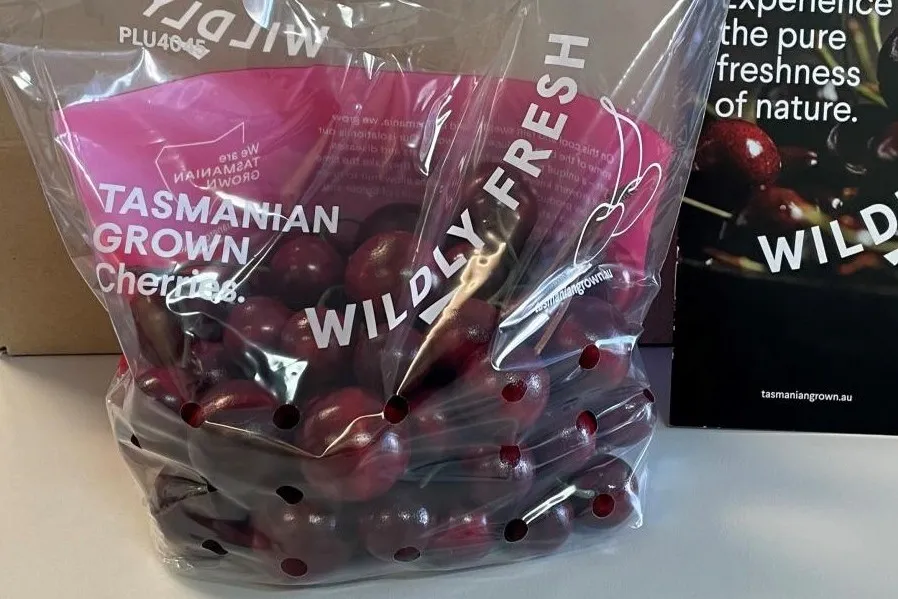
A delayed but abundant harvest
According to Peter Cornish, CEO of the association, Tasmania’s annual commercial cherry production is around 6,500 tonnes, with peak volumes in January. For the current season, cooler-than-average spring and summer temperatures have delayed the start of harvest by about 10 days, with the first picks expected around December 17.
Nic Hansen, the association’s president and a grower himself, highlighted that fruit set is higher than last year, with an estimated 15% increase in total production. Exports could rise by between 5% and 15%. Another positive factor is fruit quality: slower ripening has supported the development of larger-sized cherries with a high sugar content.
Strategic exports and logistical advantages
In 2024, Tasmania exported 2,154 tonnes of cherries, accounting for 48% of Australia’s total cherry exports. The main destination markets are Taiwan, Hong Kong (22%), Indonesia (11%), and Mainland China (9%).
A key competitive advantage of the Tasmanian product is the absence of fruit fly on the island, which allows shipments to avoid fumigation treatments. In addition, all exports are shipped by air, ensuring arrival in international markets within 48–72 hours of harvest.
Varieties grown include Kordia, Lapins, Regina, Simone, Sweetheart, Sweet Georgia, and Sylvia, all appreciated for their organoleptic characteristics.
Focus on the Chinese market
With Chinese New Year set for February 17, 2026, growers see the holiday as an ideal opportunity to boost sales in the Chinese market, where cherries are considered a highly sought-after premium product during celebrations.
Fruit Growers Tasmania, which also represents apple, pear, berry, and stone fruit producers, continues to support the supply chain through initiatives aimed at phytosanitary improvement and commercial development, both locally and globally.
Source: www.producereport.com
Image source: Fruit Growers Tasmania
Cherry Times - All rights reserved