Stefano Lugli - SL Fruit Service (IT)
Chair of Cherry Times technical-scientific committee
The four varieties of the Final® series derive from a breeding programme conducted by Peter Stoppel in Kressbronn (Germany) on a population of seedlings obtained by crossing an old native variety, Spate von Wedler, and a self-fertile variety of Canadian origin, Sweetheart®.
The aim of the project was to obtain new late-ripening varieties, after Regina, to be proposed as possible alternatives to the Canadian varieties, e.g. Sweetheart® and Staccato®, varietal types that are poorly adapted to the soil and climatic conditions of the cherry growing area in the Bodensee.

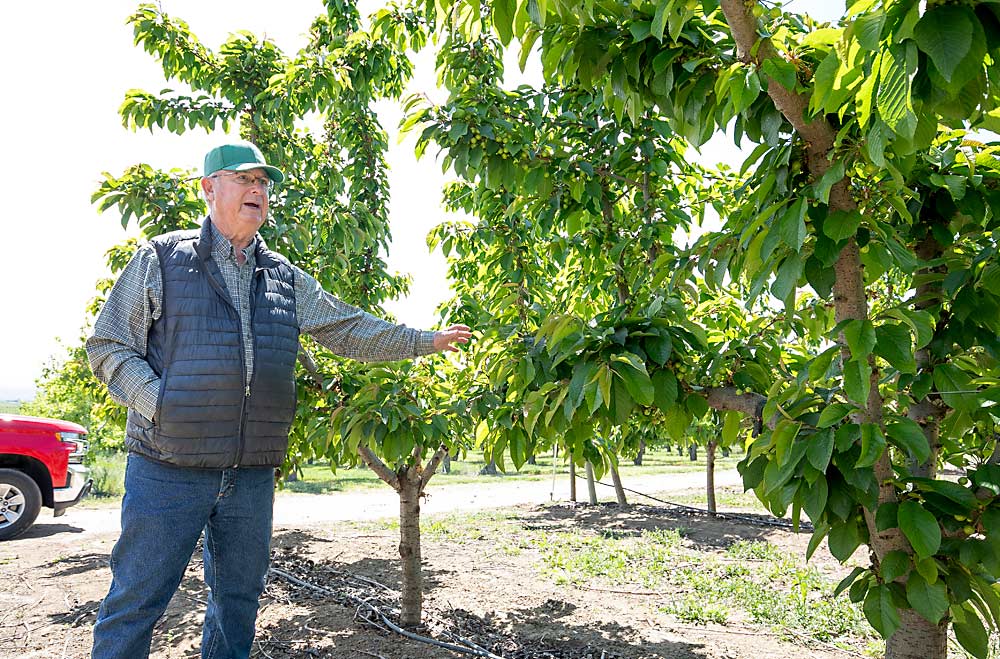
Image 1 - Peter Stoppel
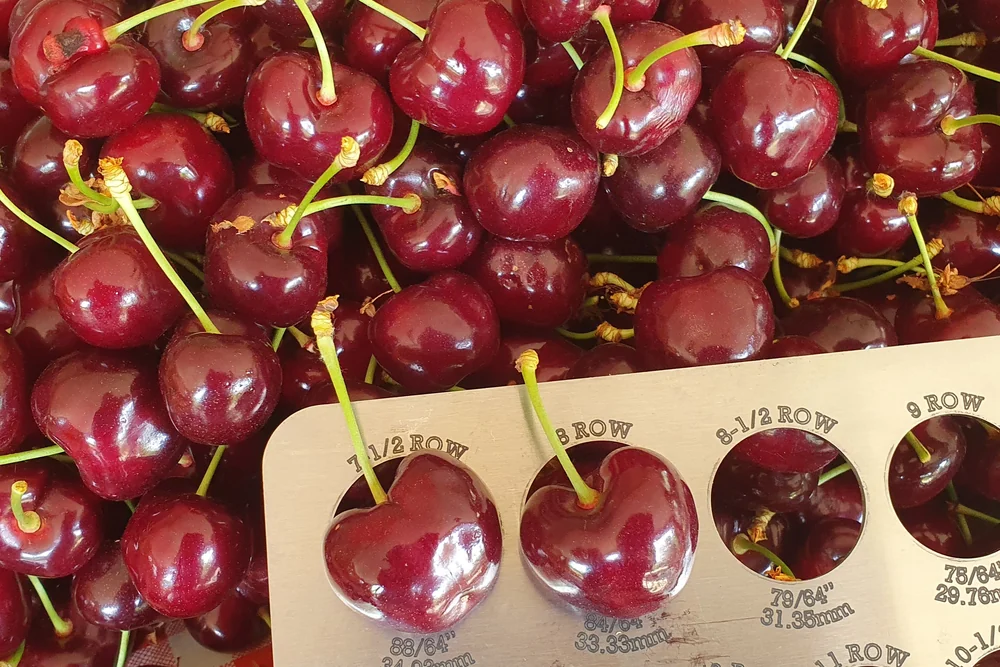
The Final® varieties were presented in 2019 at the International Cherry Symposium in Vignola (Italy). The salient and most interesting traits of the four sisters marketed under the Cerasina® brand are, at least on paper, the extra-long ripening time, the high productivity and the high quality standards of the cherries.
Here are the video and the english article of Peter Stoppels' contribution at ICS 2019 in Vignola.
Sanifrutta's new project
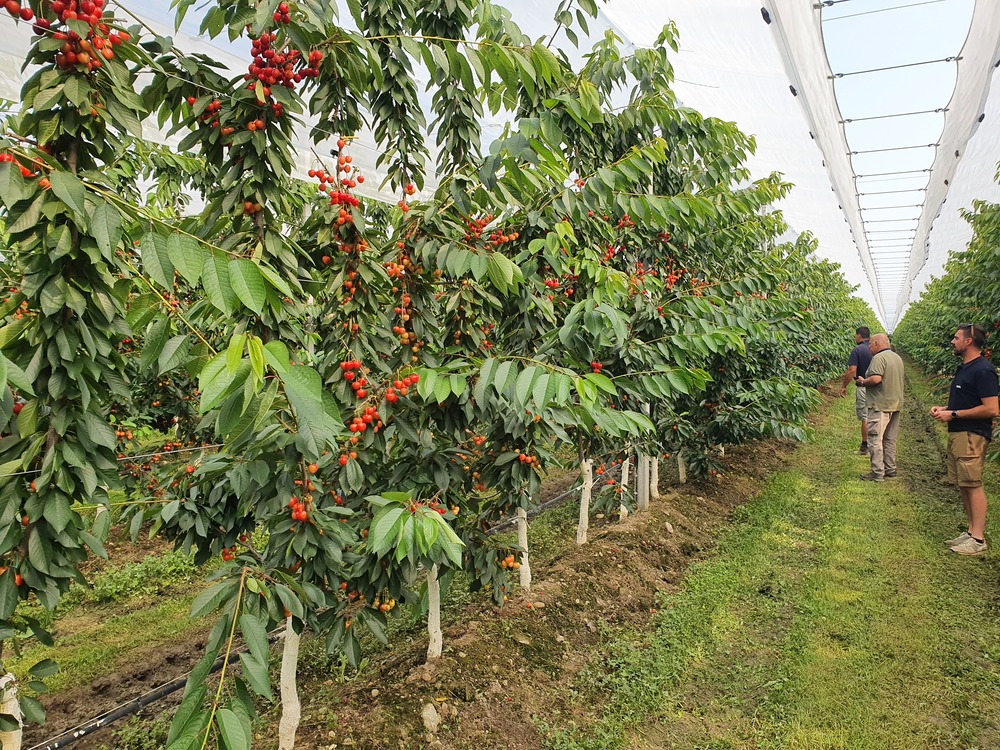 Image 2 – New Final® series rootstocks
Thanks to an exclusive contract signed four years ago with Cerasina® and valid for North-West Italy, Sanifutta, a Piedmontese company that is a member of Op Joinfruit, wanted to extend the variety offer in the late harvest period, so as to continue after Kordia-Regina and for at least three to four weeks the offer of high-quality cherries.
Sanifrutta's goal is to reach a total of 70 to 80 hectares planted with late harvest cherries in the next 4 to 5 years, with a volume of approximately 1000 to 1200 tonnes per year of product.
The four self-fertile varieties of the Final® series ripen at different times and with differences in days to Regina varying from one environment to another and from one year to another. For the current season (2023) in Piedmont the harvest of Final 10.4 started on 28 June (+10 days Regina)..
This is followed by Final 11.3 (+14 days Regina), Final 12.1 (+17 days Regina) and Final 13.1 (+23 days Regina).
The main characteristics of the Final® series varieties are summarised below.
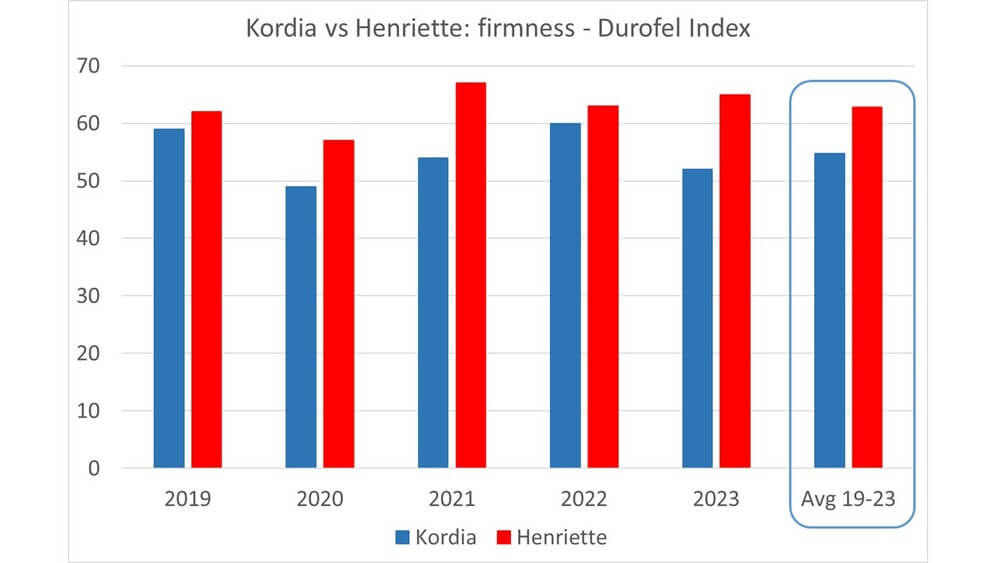 Image 3 – Final® 10.4
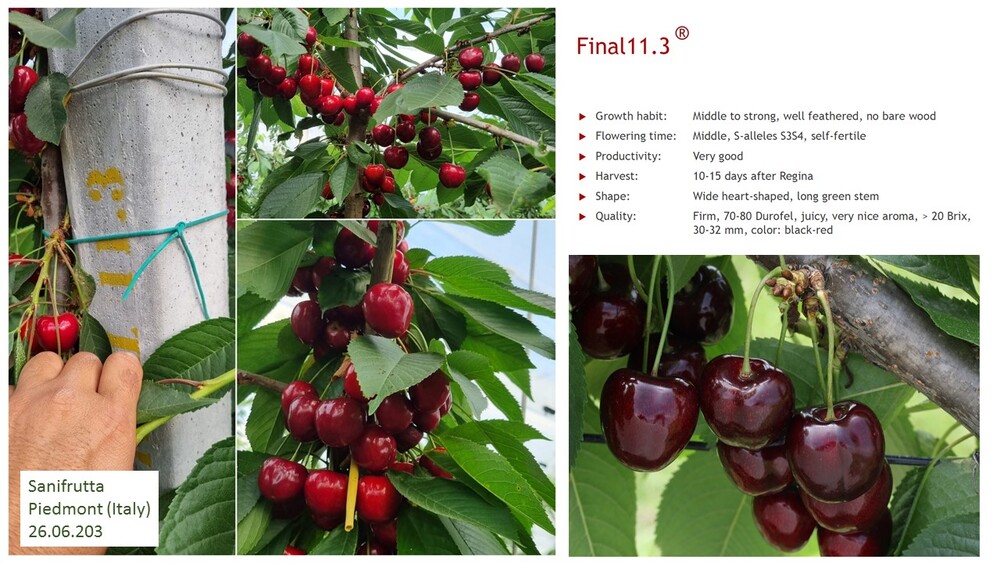 Image 4 – Final® 11.3
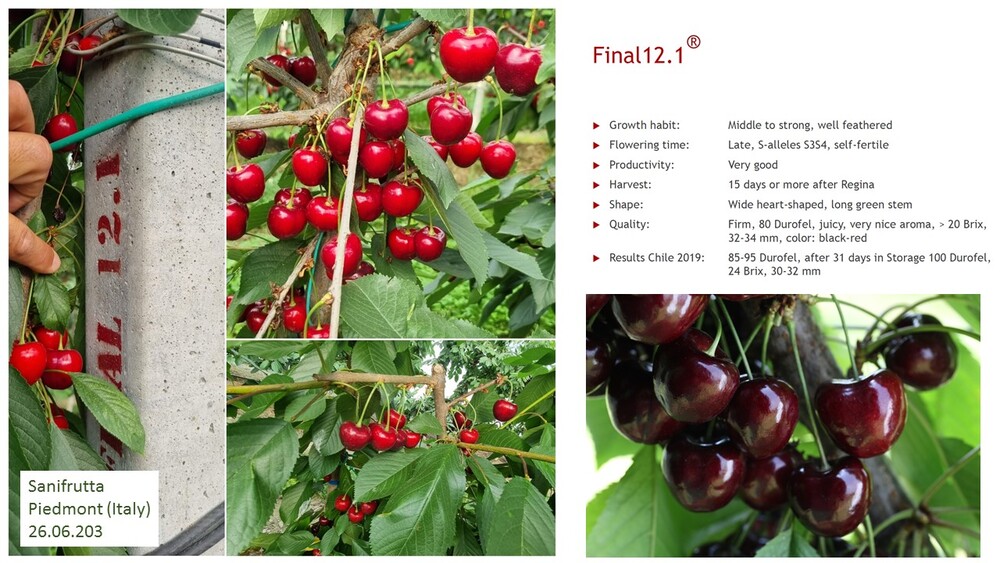 Image 5 – Final® 12.1
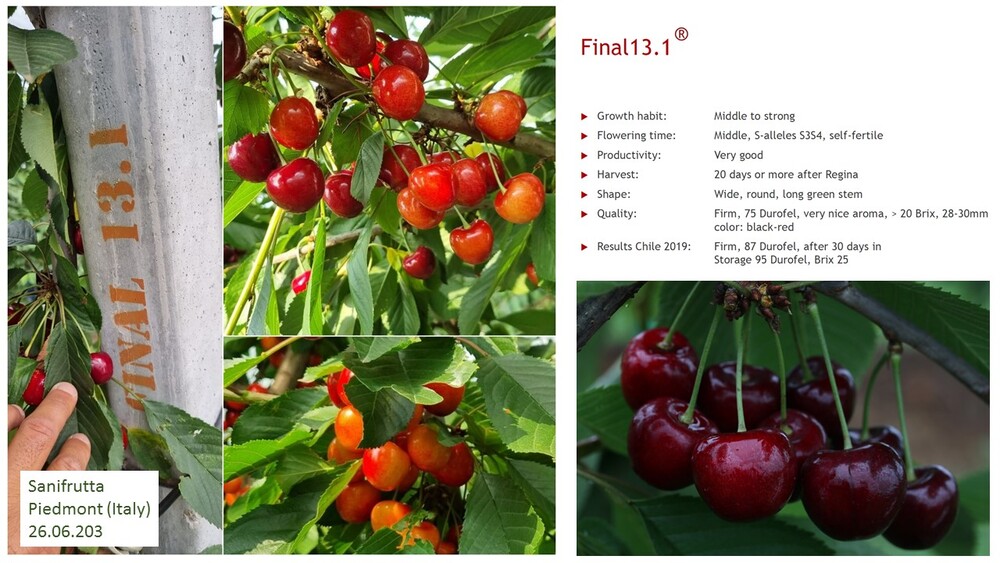 Image 6 – Final® 13.1
Cherry Times - All rights reserved