A genetic analysis conducted in a Chinese laboratory has brought to light a new case of intellectual property rights violations in the cherry sector. The analyses, carried out on shipments that arrived in the Asian country under the commercial name Rose Rainier, revealed a perfect DNA match with the Tip Top variety, internationally known under the Skylar Rae® brand.
A joint operation to uncover the deception
The alert came from ANA Chile®, the company that manages this variety in the Chilean market. Thanks to an international collaboration involving authorized exporters, local receivers and the variety owner, it was possible to confirm that this is a new illegal export of a protected cultivar.
According to Ricardo Marquinez, Chief Operating Officer of ANA Chile®, the company is determined to take all necessary legal action, in coordination with Tip Top Orchards LLC., to protect the rights of the variety owners and sanction those who acted outside the rules.
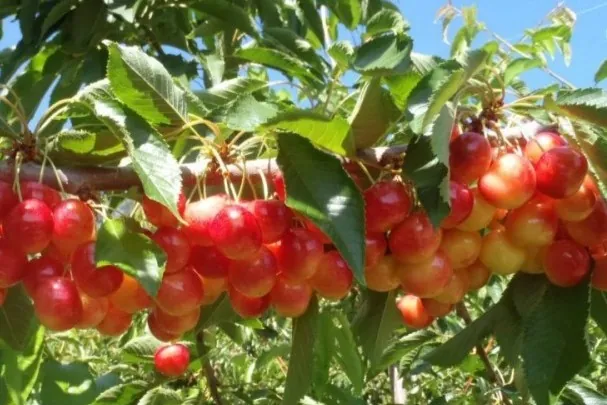
Tip Top (Skylar Rae®): a closed-license variety
Tip Top is a bicolour variety that in Chile can be grown exclusively by producers affiliated with Unifrutti and Chilfresh, two exporting companies that have already planted around 250 hectares. The commercial results achieved so far confirm the strategic value of this cultivar in the premium cherry market.
Marquinez announced that the company will strengthen its monitoring activities on past and future shipments carrying the name Rose Rainier, or other suspicious names, in order to verify the genetic compliance of the exported fruit.
Reputational risks for the entire Chilean sector
ANA Chile® expressed its regret over the improper behaviour of some producers and exporters, stressing that these practices harm not only the rights holders but also those growers who have legally invested in the development of new varieties.
“Actions like these,” Marquinez concluded, “undermine the trust of international buyers in Chilean fruit and risk damaging the reputation of the entire industry.”
Source: redagricola.com
Image source: ANA Chile
Cherry Times – All rights reserved