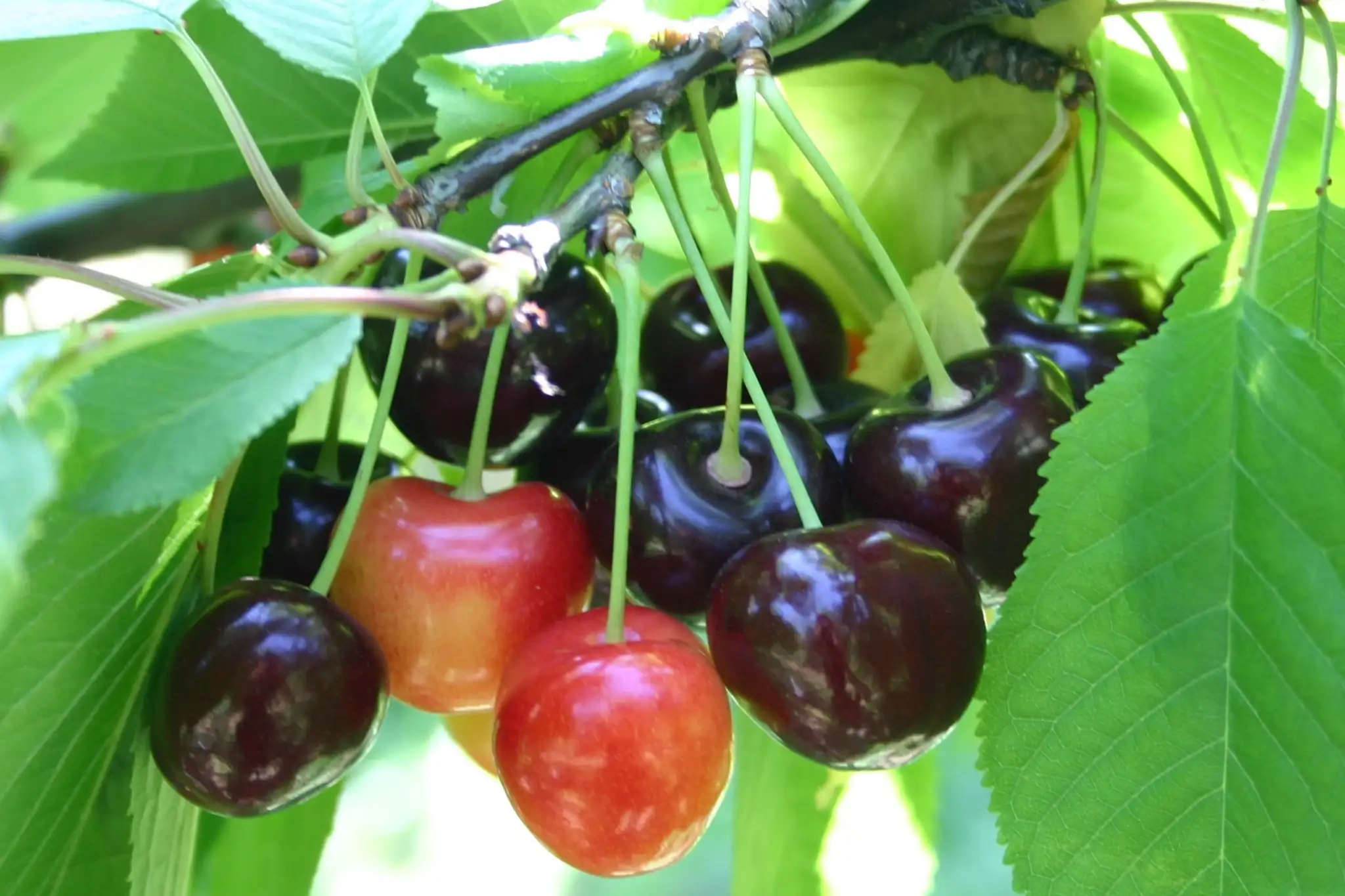
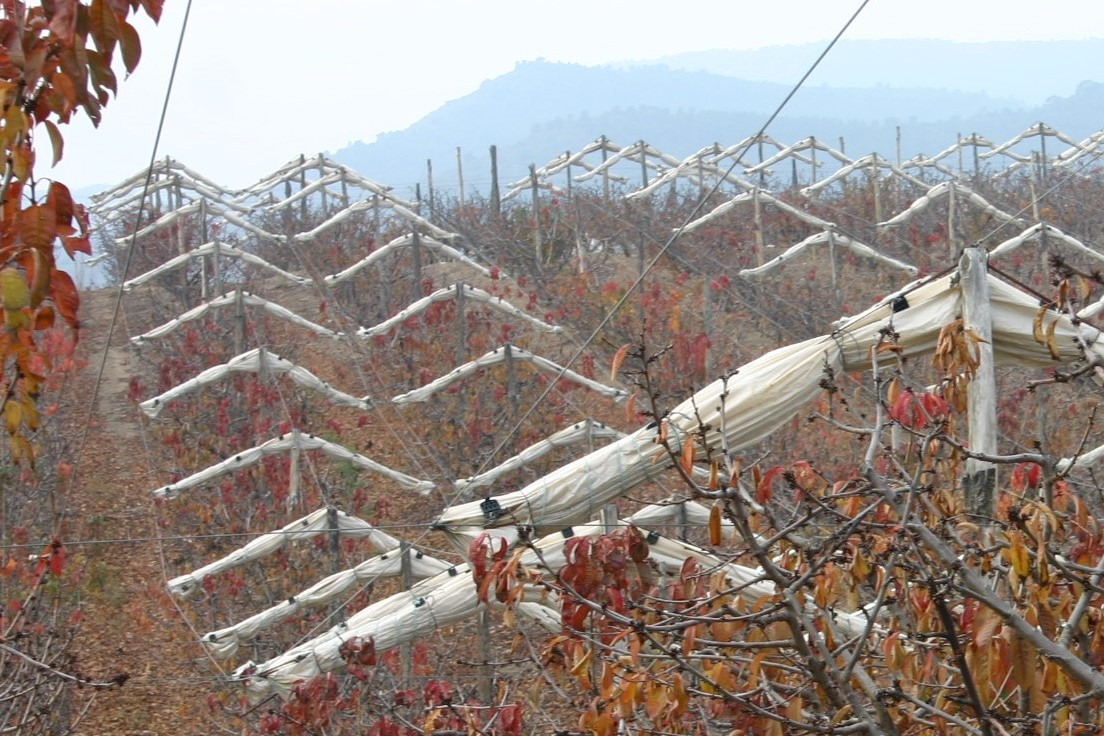
After a campaign marked by frost, Turkey is looking to the new cherry season with much stronger expectations. The favourable winter conditions provided the trees with adequate chilling hours, while the spring, so far free from significant frosts, has restored confidence among growers and exporters.
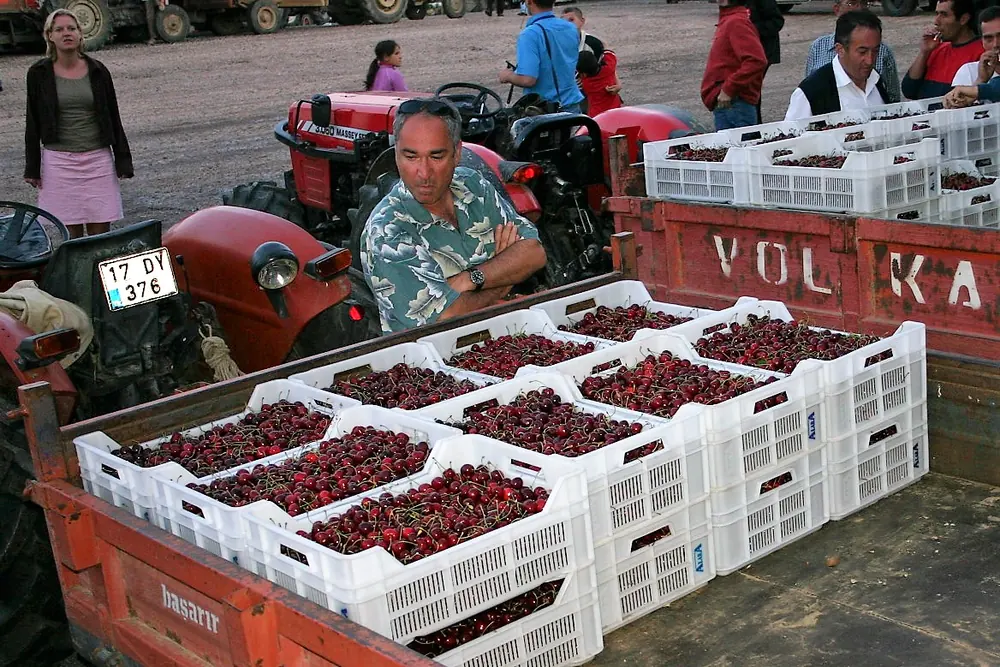
A regular spring restores confidence in the supply chain
For Karim Taner, of Turkish exporter Perla Fruit, the picture is encouraging: spring has been “regular”, with no particular frost-related issues. According to Taner, the conditions point to a positive season, with high-quality cherries and satisfactory volumes in all the country’s main production areas.
Ceyda Gündüz, general manager of Lotus Fruit, a new Turkish company and brand that continues the legacy of Alya Fruits, takes the same view. Gündüz stresses that weather conditions have followed the hoped-for scenario: flowering developed at the desired time, pollination was good and most of the flowers remained on the trees. This is a sign that points to significant product availability.
Trees recover after the reduced harvest
According to Gündüz, last season’s frost damage may have had an indirect effect on the current campaign. The scarcity of fruit in 2025 may in fact have allowed the trees to rest, favouring full production capacity this year. In other words, last year’s low yield could be one of the reasons behind the higher volumes expected this season.
Unstable weather, but Turkey’s geography remains an advantage
Increasing climate variability remains a challenge for growers. Taner points out that irregular weather patterns are having a growing impact on production trends. However, Turkey can rely on a strategic asset: a wide geographical distribution of cherry-growing areas, which makes it possible to serve the market for a period of around eight to ten weeks.
This territorial diversification is one of the country’s main strengths in the cherry sector, as it allows potential local issues to be offset and helps maintain a broad commercial window.
Germany remains central, UK more complex
Perla Fruit will focus mainly on the German market. The United Kingdom, which in the 2000s was a very important destination for Turkish cherries, has gradually lost weight. Taner explains that longer transit times and additional customs procedures, combined with domestic UK production, have significantly reduced the useful export window.
For Lotus Fruit too, the United Kingdom remains a relevant market, but competition from Spain is increasing. Added to this are rising logistics costs, which make it more difficult to remain competitive in this destination.
Costs and new markets: the export challenge
The rise in oil prices is weighing on several fronts: packaging, transport, fertilisers and electricity. For Turkish exporters, the priority will therefore be to contain costs while also ensuring access to the financing needed to support the campaign.
In this scenario, interest is growing in alternative markets that can offer better returns or lower transport costs. Europe has historically remained the main outlet for Turkish cherries, but in recent years progress has been made in East Asia.
Lotus Fruit is looking in particular at East Asia and the Middle East. Gündüz mentions Hong Kong, Malaysia and Singapore as areas with significant potential. According to the company, a decisive role is played by Turkish Airlines, which ensures regular connections to these destinations. Lotus Fruit considers itself the largest Turkish exporter to these markets and aims to invest further in them.
The Turkish cherry season is therefore opening with a mix of production optimism and commercial caution. Quality and volumes appear set to recover strongly after last year’s frost, but the export challenge will depend on the ability to control costs, defend competitiveness in Europe and consolidate new routes to Asia and the Middle East.
Source: www.fruitnet.com
Image source: Stefano Lugli
Cherry Times - All rights reserved