A new phase is opening in the United States for the marketing of sweet cherries from Washington. The U.S. Department of Agriculture (USDA) has put forward a proposal to amend handling requirements for the product in designated districts of the state, with the aim of updating commercial standards, enhancing the perceived quality of the fruit, and strengthening economic sustainability for producers.
Higher minimum size and new packaging rules
The proposal stems from a recommendation by the Washington Sweet Cherry Marketing Committee and addresses several technical aspects considered central to the sector.
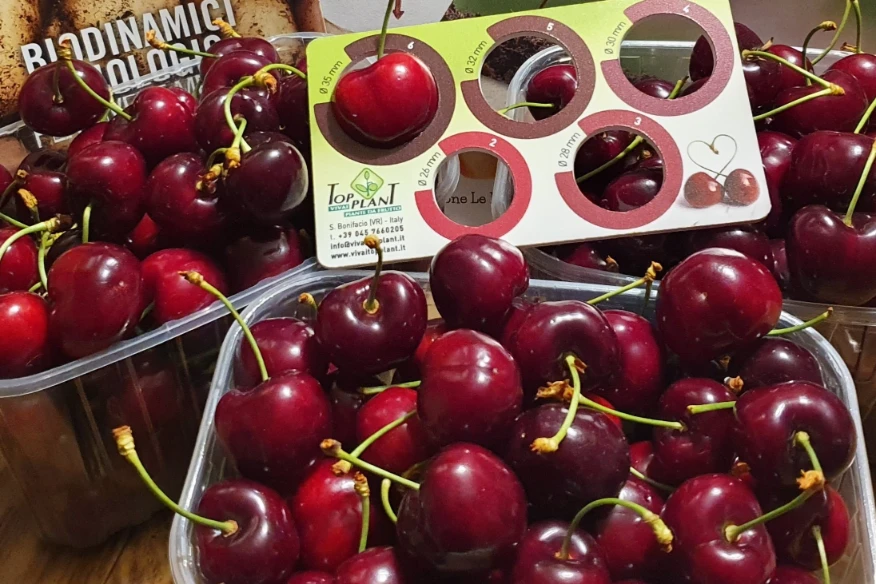
Among the most significant changes is an increase in the minimum size requirement for all sweet cherry varieties. The measure aims to raise the product’s commercial profile, making it more competitive and better aligned with market expectations.
However, the so-called “light sweet cherries”, which include varieties such as Rainier, Royal Anne and similar types, are excluded from this increase. For these categories, the specific requirement regarding the new minimum size would not apply.
Update of packaging classifications
Alongside the size-related changes, the proposal also introduces an update to packaging classifications. In particular, one of the current designations related to row count and row size would be eliminated, while two new designations would be added to the packaging requirements set out under the Marketing Order.
Greater market value and improved access to risk management tools
According to the Committee that promoted the measure, the package of changes has a dual objective. On one hand, to offer a more commercially attractive product, thereby increasing revenue opportunities for producers. On the other, to standardize industry requirements in order to facilitate access to crop insurance in cases where companies face challenges related to climate or market dynamics.
This represents a significant step for a sector that, like many fruit industries, must deal with volatility, weather-related events, and increasing pressure on margins.
The proposed rule was published in the Federal Register on March 9, 2026. The USDA has opened a public comment period to collect feedback and contributions from interested stakeholders.
The deadline for submitting comments is April 8, 2026. Comments can be submitted via the official Regulations.gov portal or by mail to the Market Development Division of the Agricultural Marketing Service (AMS).
Conclusion
The USDA proposal signals a clear direction: to strengthen the positioning of Washington sweet cherries through updated standards and greater regulatory consistency. For the sector, the outcome of the consultation could impact not only how the product is presented on the market, but also the ability of companies to better protect themselves in an agricultural landscape increasingly exposed to risks and change.
Source: www.portalagrochile.cl
Image source: Stefano Lugli
Cherry Times - All rights reserved