Washington State University is launching an innovative study to transform fresh cherries into shelf-stable products, opening new opportunities for the processed fruit market.
New technologies for the supply chain
A new frontier is opening for the sweet cherry industry in Washington State. Thanks to funding from the USDA Specialty Crop Block Grant (SCBG) program, a team of researchers from Washington State University (WSU) is set to explore cutting-edge technologies to improve product preservation and commercial value.
Goal: quality and shelf life
The project, titled “Producing High-Quality, Shelf-Stable Sweet Cherries using Vacuum Microwave Drying (VMD) Technology,” will be led by Professor Youngsoo Lee, in collaboration with researchers Kang Huang and Claire Murphy. The team will work closely with local cherry growers and the U.S. Army Natick Soldier Systems Center in Natick, Massachusetts.
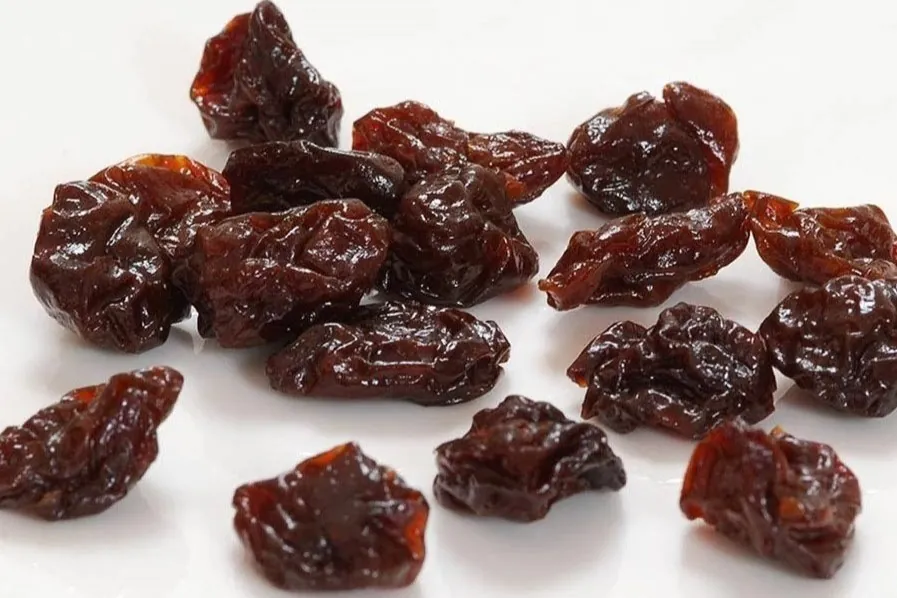
The core of the study is the application of vacuum microwave drying (VMD) technology, combined with edible bacteriophage-based coatings. This approach will make it possible to transform fresh cherries into an intermediate-moisture, shelf-stable product while maintaining high quality standards and food safety.
Value and sustainability
The project aims to provide a concrete solution to the challenges of market saturation and surplus waste. By converting excess harvest into high-value-added products, the cherry industry will be able to diversify its offerings and reach new consumer segments.
An additional goal is to analyze bacterial survival during processing, ensuring that the new products are not only tasty and stable but also microbiologically safe.
Future outlook
USDA’s support allows WSU and its partners to develop technological solutions that meet the needs of producers and consumers alike. This vision is focused on sustainability, waste reduction, and opening new commercial opportunities for Washington cherries, with an eye toward the future of the industry.
Source: sfs.wsu.edu
Image source: Gourmet Food
Cherry Times - All rights reserved