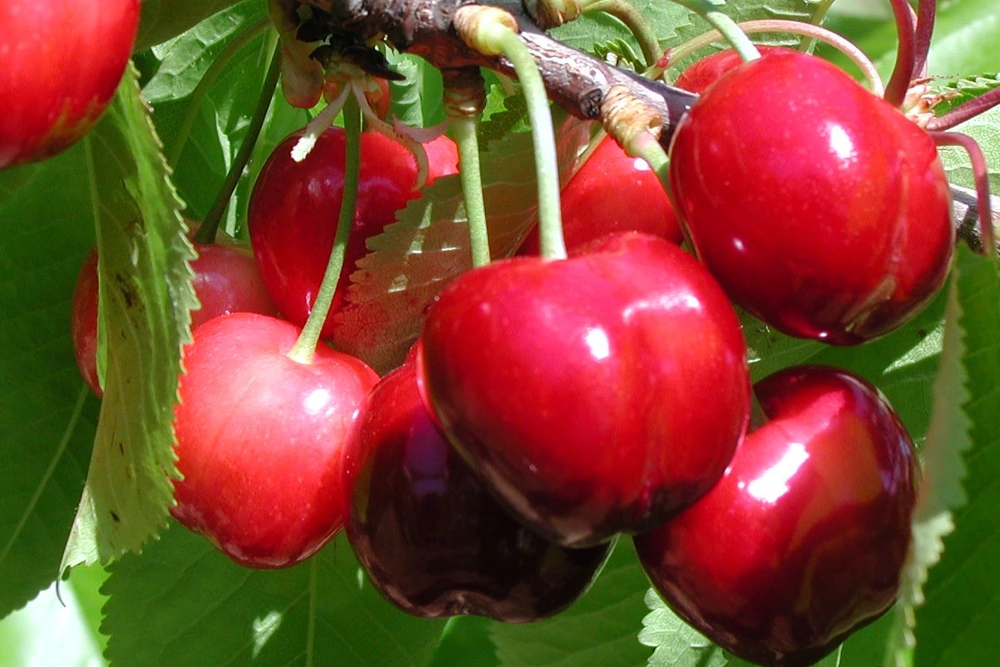
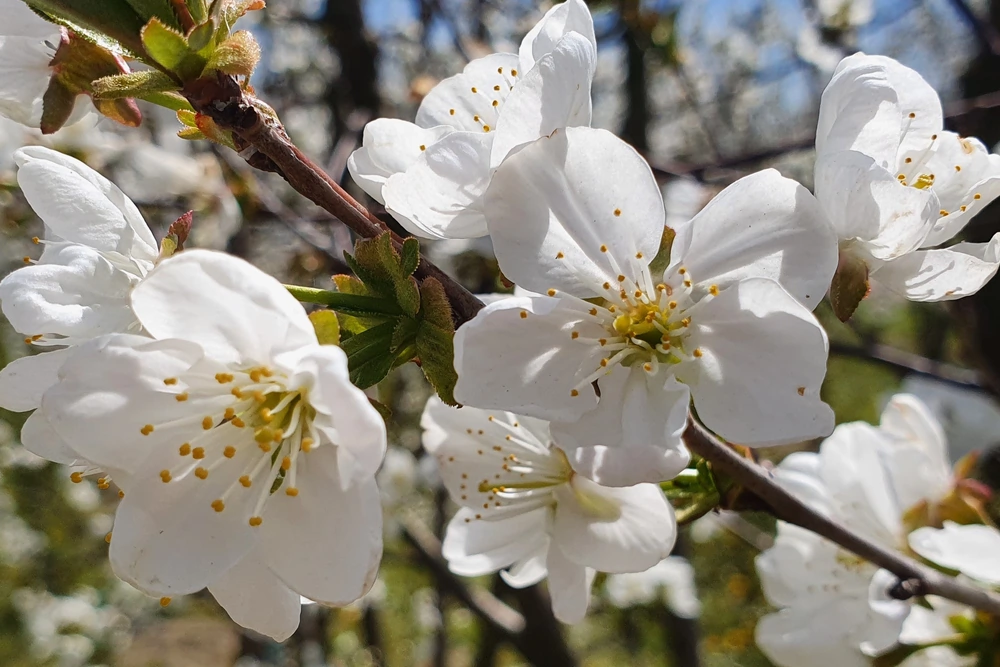
Washington is the top producer of cherries across the U.S., but unusual weather patterns can be catastrophic for producers.
Tri-Citians are used to the sound of overnight helicopters and the sight of fans in cherry fields, both last resorts to save crops from splitting when late season precipitation rolls through. Despite spring freezes and summer rains, Chukar Cherries hit their processing goal this year.
In its 38th season, the company collected 285 tons (approximately 258.5 metric tons). That’s about the weight of the Statue of Liberty, according to Chukar Cherries.
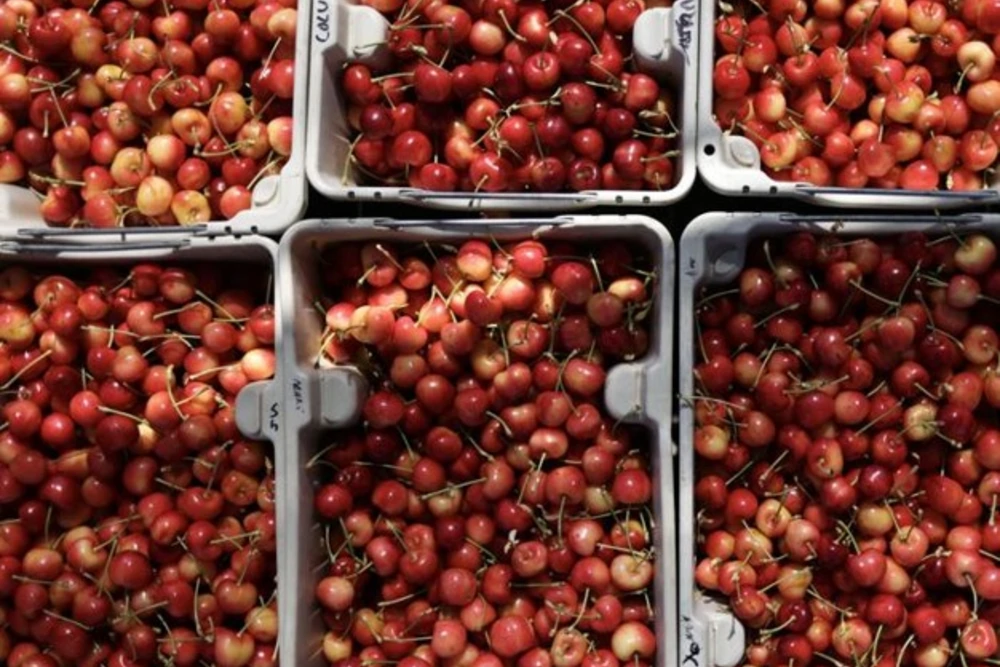
Image 1. Rainier cherries sorted by size in the new cherry sizing machine. Courtesy of Chukar CherriesWeather challenges
Spring freezes left the statewide harvest down 16%. “We are trying to make sure we have enough fruit each year,” said General Manager Tim Oten. “We barely met what we were hoping to bring in. It was really tight, and we may still run short.”
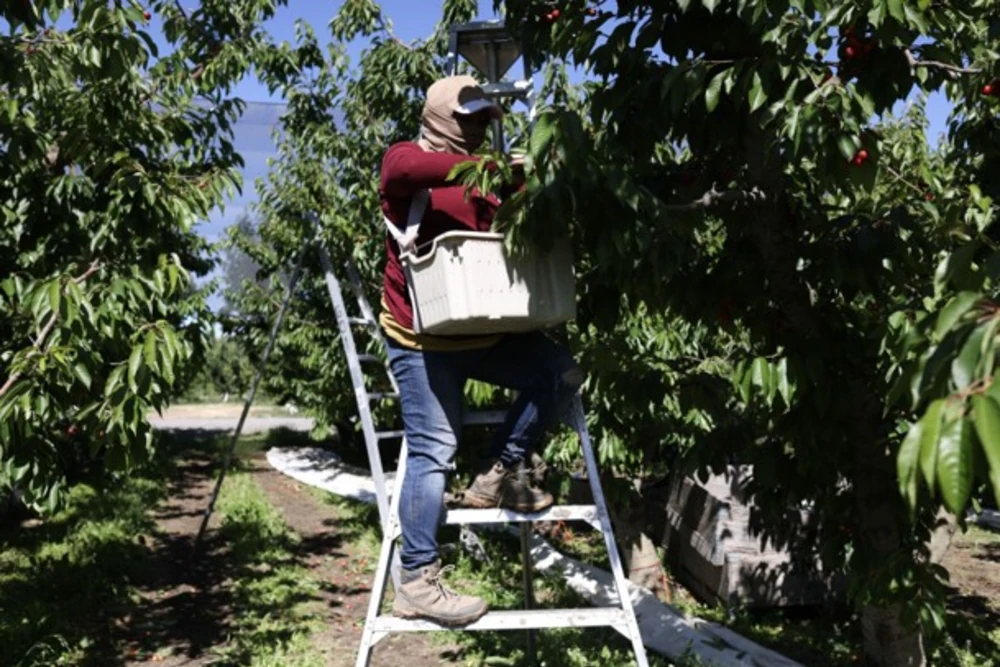 Image 2. Washington is the leading U.S. producer of sweet cherries. Northwest Cherries
Chukar Cherries is known for their chocolate-coated cherries, cherry-centered gifts and more. This isn’t the first year there’s been cause for concern — and it isn’t just cherries that are on the line. “The past five or six years, we’ve been watching agriculture in Washington,” Oten said.
That’s because the cherry season, and all other harvest seasons, keep shrinking due to weather challenges. “This has turned out to be one of the shortest I can ever recall,” Oten said. A typical season is 42 days, this year’s was just 31.
Image 3. Workers sort cherries for dehydration at Chukar Cherries. Courtesy of Chukar CherriesProcessing investments
In order to combat this, Chukar Cherries has spent the past few years investing in processing equipment. With help from the Washington State Department of Agriculture, they received a grant of $20,366 (€17,990.70) in 2025.
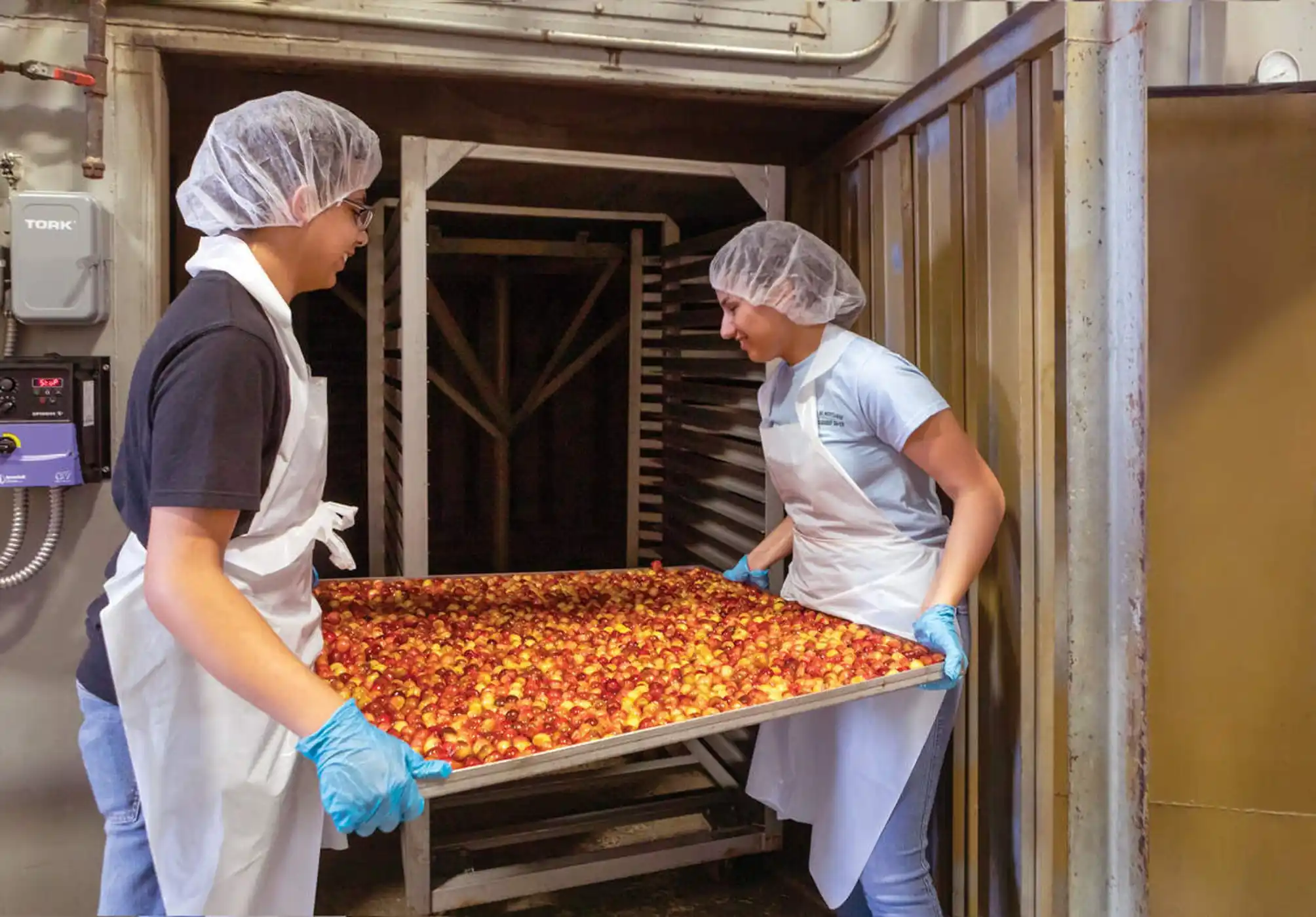
Image 4. Rainier cherries enter the dehydrator. Courtesy of Chukar CherriesThe money from the grant helped add another cherry processing line with hope to “increase the amount of cherries we can purchase from local growers,” according to WSDA’s website.
Other technological upgrades over the past few years range from a cherry sizer, to tailor drying times, an on-site lab, to test for natural sugars, and a third dehydrator. Oten hopes with the additions to the processing system, consumers won’t feel the impact of a shorter season.
Prosser tours
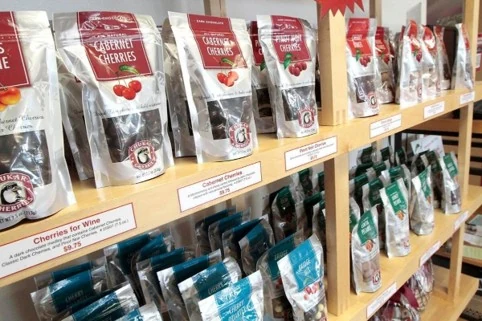
Image 5. At the Prosser store, an assortment of bags filled with Chukar cherries is displayed on the shelves. Tri-City Herald file photoIf you’re interested in learning more about how these Washington-grown cherries turn into Chukar’s famous treats, they announced tours of their Prosser store earlier this year.
Source: Emma Zawaki, Tri-City HeraldOpening image source: Chukar Cherries
Cherry Times - All rights reserved