Fungal diseases can affect fruit both before and after harvest, compromising yield and quality.
When considered within the framework of sustainable agriculture, the challenge becomes even more complex, as disease management represents a critical issue given the increasingly limited availability of effective chemical molecules.
The article published in Plant Nano Biology explores an innovative and environmentally friendly strategy to combat pathogens affecting sweet cherry through the use of zinc oxide (ZnO) nanoparticles synthesized via “green” processes.
Main objective and target pathogen
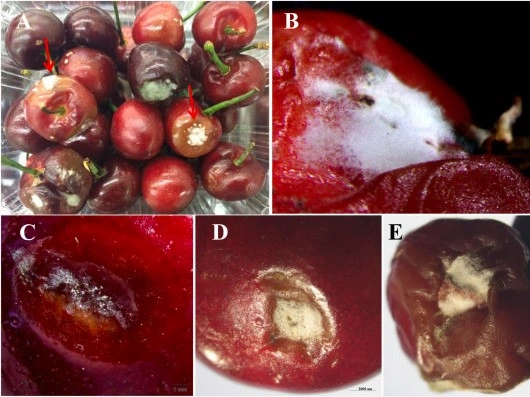
The main objective of the study was to develop and characterize biologically synthesized zinc oxide nanoparticles derived from extracts of Artemisia annua and to evaluate their antifungal efficacy against Fusarium equiseti, a fungus responsible for fruit rot and deterioration.
This fungal species is well known for its ability to infect plant tissues, leading to significant economic losses not only in cherry production but also in other crops such as melon and potato.
The research team adopted a green synthesis approach, using bioactive compounds present in A. annua extract as reducing and stabilizing agents to generate nanoscale ZnO particles.
Green synthesis and characterization
This method avoids the use of toxic chemical reagents, making the final product more environmentally sustainable compared to nanoparticles produced through conventional chemical reactions.
Through advanced analytical techniques — including X-ray diffraction (XRD), UV–visible spectroscopy (UV-Vis), X-ray photoelectron spectroscopy (XPS), and transmission electron microscopy (TEM) — the researchers confirmed that the ZnO nanoparticles produced via this method exhibit a uniform, spherical morphology with consistent and well-defined dimensions.
Such detailed characterization is crucial for understanding the physical and chemical properties of the particles, which directly influence their biological activity.
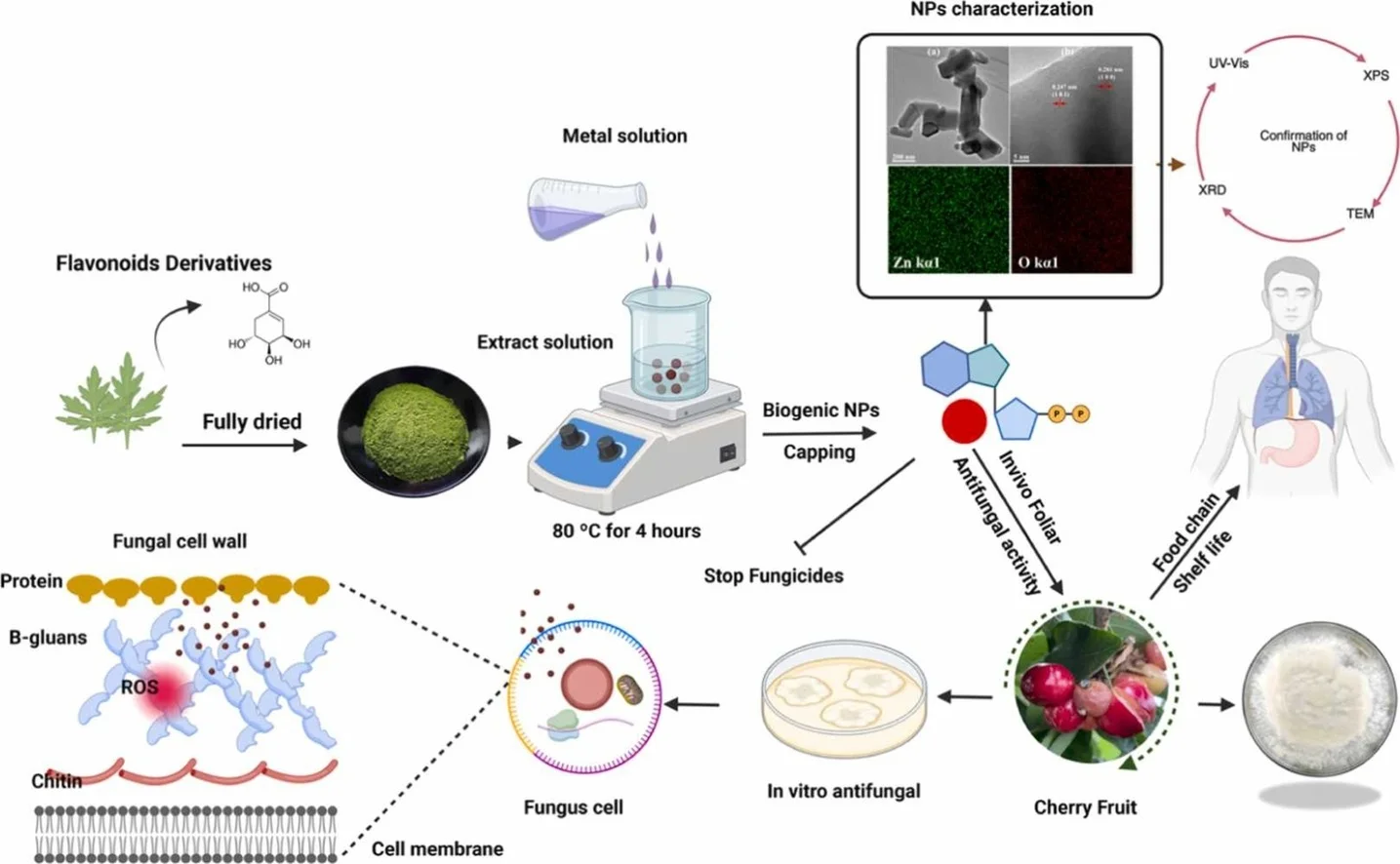 Image 1. Outline of the test methodology. Source: Manzoor et al., 2025
Antifungal efficacy results
The nanoparticles were tested both in vitro and in vivo to assess their antifungal potential.
In controlled laboratory experiments, ZnO-NPs at a concentration of 100 mg/L inhibited the mycelial growth of Fusarium equiseti by more than 88%, demonstrating a strong antifungal effect.
In in vivo trials conducted on cherry fruits inoculated with the pathogen, the application of ZnO-NPs reduced post-harvest rot severity by approximately 77.8%, highlighting their significant protective efficacy.
Future perspectives and conclusions
These findings suggest that the biosynthesis of ZnO nanoparticles is a feasible and promising approach, positioning them as potential nano-fungicides with a superior environmental safety profile compared to conventional chemical fungicides, which are often associated with harmful residues and the development of microbial resistance.
However, the authors emphasize that future research should focus on scaling up the synthesis process for commercial applications and on conducting long-term assessments of environmental impact and biodegradability.
Furthermore, it will be essential to evaluate their effectiveness against other phytopathogens in crops beyond cherry.
In conclusion, the article presents an advanced technological solution that integrates nanobiotechnology with sustainable agriculture, opening new pathways for crop protection through an efficient and environmentally responsible approach.
Source: Muhammad Aamir Manzoor, Xunju Liu, Yan Xu, Irfan Ali Sabir, Iftikhar Hussain Shah, Ghulam Abbas Ashraf, Muhammad Azam, Shazma Gulzar, Songtao Jiu, Caixi Zhang, Nano-scale defenders tackling sweet cherry (Prunus avium) fungal threats with eco-friendly zinc oxide nanoparticles, Plant Nano Biology, Volume 14, 2025, 100198, ISSN 2773-1111, https://doi.org/10.1016/j.plana.2025.100198
Image source: Wang et al., 2020
Melissa Venturi
University of Bologna (IT)
Cherry Times - All rights reserved