New tests for Bloom Fresh: new trials in Chile, Peru and Brazil for early and low-chill requirement varieties

02 Nov 2023
2545

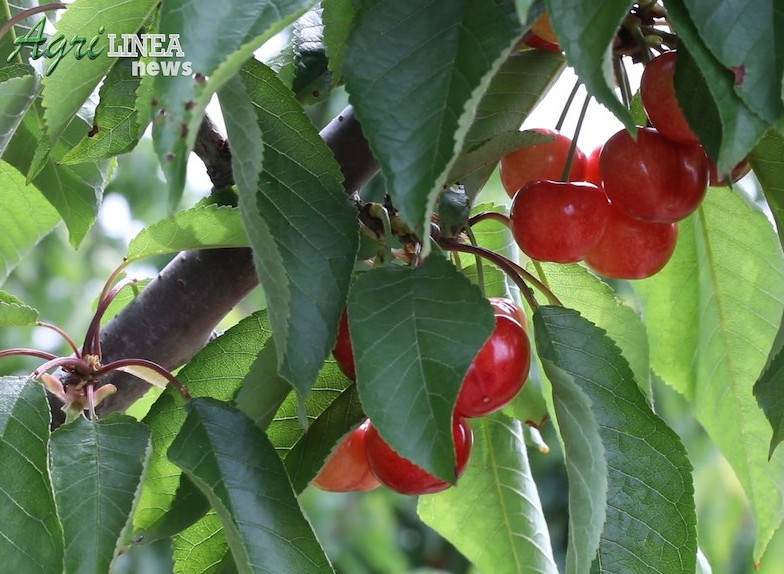
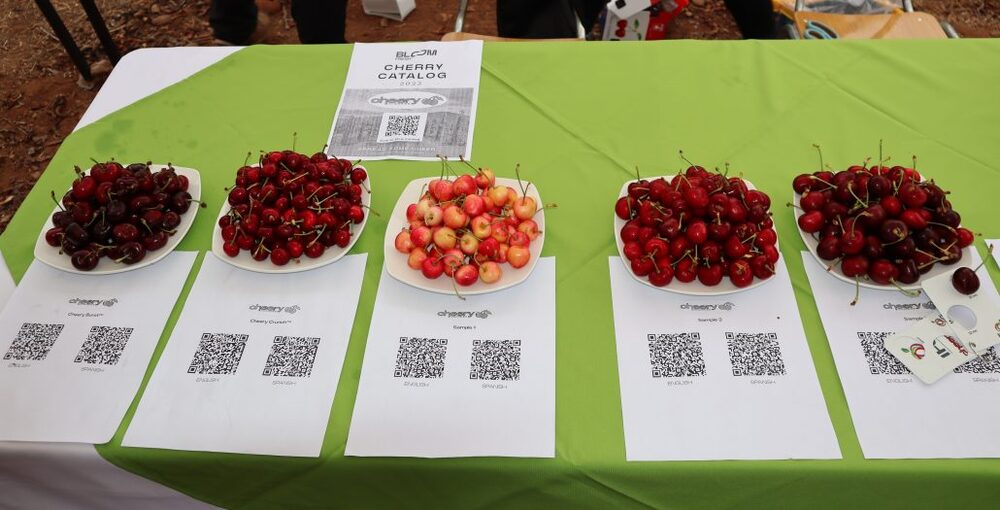
Despite adverse weather conditions this year due to the El Niño phenomenon, Bloom Fresh, a company resulting from the merger of SNFL and IFG, successfully demonstrated the earliness of their new low-chill cherry varieties. They organized an event in Tabalí, in the Coquimbo region, to showcase these varieties, which managed to fruit even without the usual cold conditions and winter rest management.

In the Westfalia orchard, after a four-year testing period, one of their varieties called Cheery Crunch was harvested in week 43, without any cold accumulation or covering, proving to be earlier than traditional varieties like Brooks.

Interestingly, in the Tabalí area, the Valle Arriba company managed to harvest the Brooks variety in week 41, while the rest of the region had expected the harvest in weeks 42 and 43.

As part of their commitment to low-chill varieties, Bloom Fresh is exploring new cultivation areas, such as Arica in northern Chile and even in Brazil, where they are seeking suitable locations for these varieties that require around 200 hours of cold. They are investing in "test blocks" in these regions to assess feasibility.

Read the full article: RedagrÍcola

Images: RedagrÍcola, IFG


Cherry Times - All rights reserved

What to read next

US cherries 2025: resilience in China Amid tariffs, competition and logistics

Markets

16 Sep 2025

The 2025 US cherry season ended with shipments to China at 65% of 2024 levels. Despite tariffs, lychees and Canadian cherries, demand for premium varieties stayed strong. Quality, pricing and logistics remain the main challenges as the industry seeks diversification.

Physiological models help predict the blooming date

Breeding

05 Jan 2024

The study covers the growing seasons from 2011/12 until 2019/20 for the development of the model and 2020/21-2022/23 for its validation. The M1 model is based on an inverse modelling methodology, M2 and M3, on the other hand, are more physiologically grounded.

In evidenza

Protecting cherry trees from Drosophila suzukii: technical considerations for 2026

Crop protection

22 May 2026

The CTIFL 2026 report presents guidelines to protect cherry trees in France from Drosophila suzukii, combining monitoring, netting, sanitation, biological control and authorized plant protection products for targeted, sustainable crop defense adapted to sites and varieties.

Cherry orchard covers: from a means of protection against rain to a strategic decision for commercial and production stability

Covers

22 May 2026

Cherry orchard covers in Chile no longer protect only against rain: they now regulate microclimate, reduce cracking, improve export quality and fruit condition, supporting more stable economic returns in modern orchards exposed to growing climate risk and market pressure.

Tag Popolari