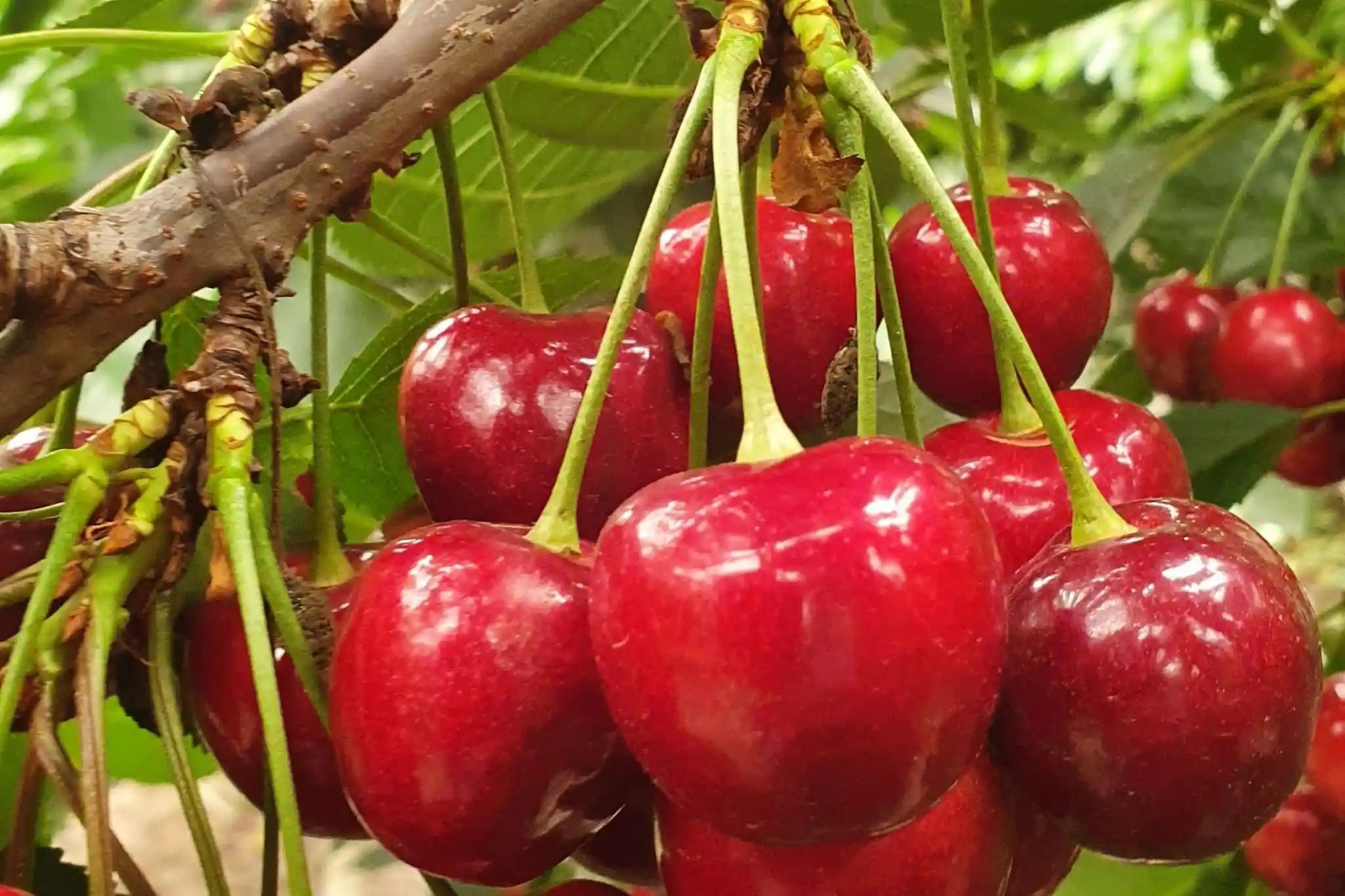
Australia’s cherry industry has closed a particularly positive 2025/26 season, supported by high-quality fruit, growing international demand and higher economic returns. The result confirms Australia’s positioning among premium suppliers in key destination markets.
By the end of the season, in February 2026, cherry exports had reached 4,950 tonnes, with a total value of A$110mn (around €66mn). This represents a 13% increase in volume and a 22% increase in value compared with the previous year. The rise in unit prices highlights the sector’s strategy: focusing on quality, reliability and product recognition.
Tasmania and Victoria lead export supply
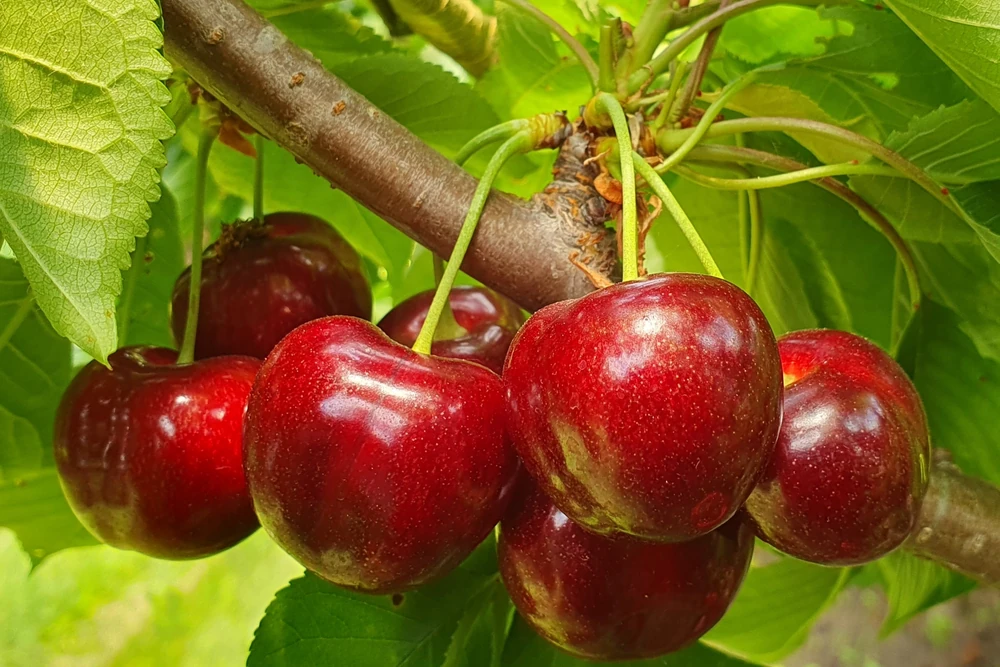
According to Cherry Growers Australia (CGA), Tasmania and Victoria remain the two main hubs for the country’s cherry exports. Together, the two areas account for more than 90% of exported volumes, thanks to rigorous production systems, strong biosecurity performance and effective collaboration between growers, exporters and institutions.
Logistics remain a decisive factor. Airfreight capacity allows Australian cherries to reach key Asian markets within 72 hours of harvest, strengthening the country’s image as a reliable origin for freshness, food safety and supply continuity.
A national strategy to grow in premium markets
For CGA CEO Penny Measham, the season’s results demonstrate the value of a coordinated approach at national level, capable of integrating production, quality, trade and market development. Measham emphasised that the 2025/26 season shows what the sector can achieve when it consistently delivers high-quality fruit while working within a shared vision.
Export growth, higher market returns and repeat demand from key Asian countries indicate, according to CGA, consolidated confidence in Australian cherries as a premium product. Hong Kong confirmed its position as Australia’s leading destination market. Significant performances were also recorded in Vietnam and China, supported by strong demand in the final part of the season and by the industry’s ability to respond with available product and high quality standards.
Quality at the centre of the domestic market too
Quality did not only affect exports. On the domestic market too, the season was marked by positive results, supported by advanced post-harvest management practices and industry investment in improving standards.
Measham reiterated that quality remains the foundation of the entire supply chain: when it is preserved from the farm through to the final consumer, it helps protect the product’s reputation, strengthen demand and generate better results for growers.
Momentum towards a more competitive supply chain
The 2025/26 season therefore represents an important step in CGA’s path towards a more productive, profitable, sustainable and globally competitive Australian cherry industry. With receptive Asian markets, a strengthening premium reputation and an increasingly coordinated supply chain, Australia is looking towards the coming seasons with positive momentum.
Liam O'Callaghan
Fruitnet
Image source: Stefano Lugli
Cherry Times - All rights reserved