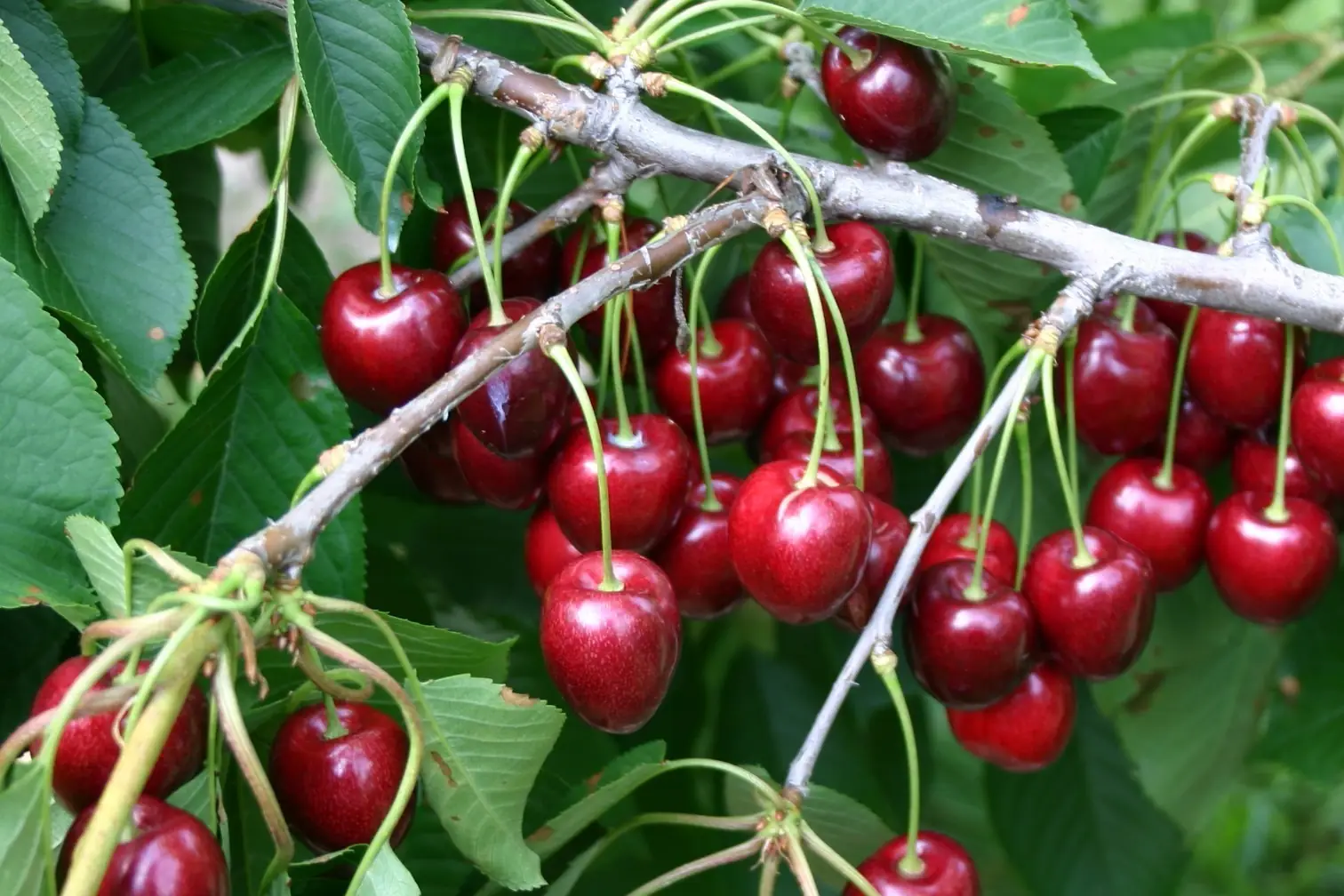
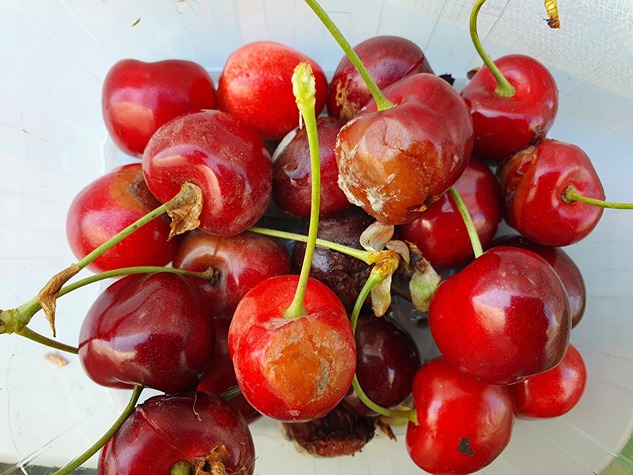
After four seasons marked by reduced harvests, the cherry sector in Castellón is once again looking ahead with greater confidence. Favorable winter conditions, combined with a positive progression of flowering and fruit set, suggest a return to more stable production levels, provided that no frost events occur in key growing areas in the coming weeks.
A campaign that revives expectations
Cherry producers are approaching this stage of the season with cautious optimism. This is confirmed by Enrique Simó, spokesperson for the sector at La Unió Llauradora i Ramadera and an organic cherry producer, who describes a much more encouraging outlook compared to recent years.
According to Simó, winter brought highly favorable weather conditions for cherry trees, while flowering and subsequent fruit set are progressing satisfactorily. Although around ten more days will be needed to provide a more accurate estimate, the sector believes that, barring unexpected events, the campaign may finally return to greater stability.
After difficult years, weather becomes an ally again
The sector’s assessment marks a clear break from the recent past. Over the last four years, cherry production in the province has been heavily impacted by a combination of drought, persistent rainfall, and hailstorms, which drastically reduced harvested volumes.
This year, however, the scenario appears more favorable. Simó highlights that recent rainfall has not caused damage during the flowering stage and that trees have adequate water reserves to support fruit set. The next two weeks will be crucial: if no frost or sub-zero temperatures occur in the main production areas — particularly Maestrat, Alto Palancia, and Millars — fruit development should proceed without major obstacles. These are, in fact, critical days for cherry sizing.
Target between 1,000 and 2,000 tons
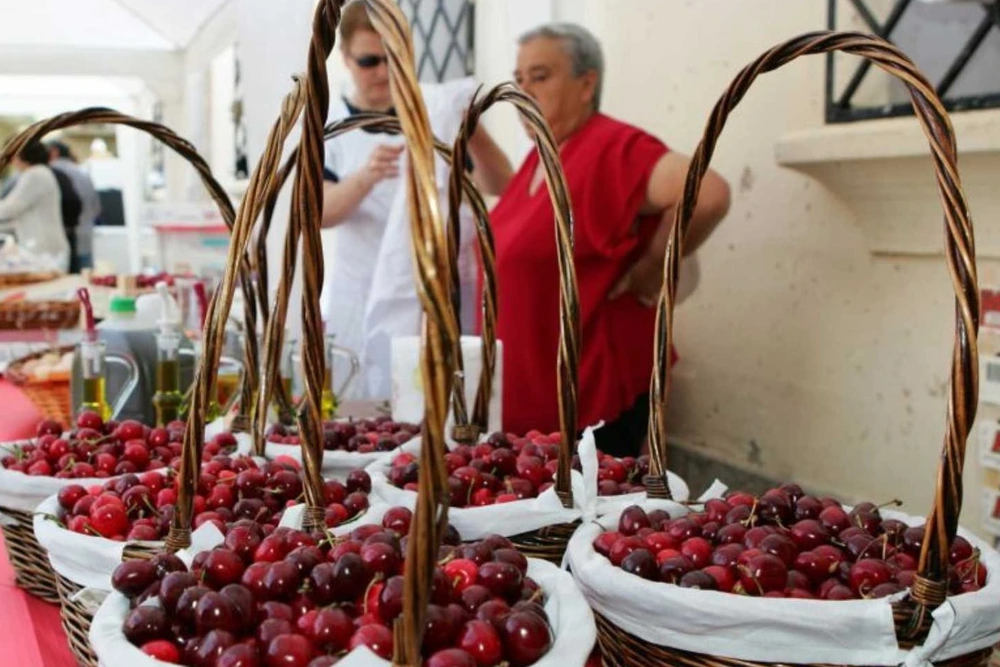
There is a sense of hope across the sector. As Simó recalls, cherries represent an identity symbol for towns such as La Salzadella, Villamalur, and Caudiel—areas also affected by depopulation, yet capable of enhancing this product through traditional cherry fairs scheduled between May and June.
For the sector, stable production typically ranges between 800 and 1,000 tons, a threshold that has not been reached since 2021. For this campaign, however, expectations are more ambitious: if conditions remain favorable, production could reach between 1,000 and 2,000 tons, with the 1,500-ton mark becoming increasingly realistic.
Prices still uncertain, internal competition weighs
On the profitability side, however, the picture remains open. Simó urges caution, noting that the market will determine price levels. More than unfair competition from other countries, it is production from other Spanish regions, such as Aragón, that has the greatest impact.
The economic issue remains central. La Unió has repeatedly pointed out that cherry cultivation alone does not guarantee sufficient profitability to sustain a farmer’s income. This is compounded by the ongoing abandonment of agricultural land, a phenomenon affecting other crops as well.
Fewer orchards, more olive groves
The shift is also evident in land use. According to the Survey on Crop Areas and Yields (Esyrce) by the Ministry of Agriculture, in 2025 the area dedicated to stone fruit trees — a category that includes cherries — reached 643 hectares in the province, 16 fewer than in 2024.
Simó also notes that in several plots once dedicated to cherries, farmers have chosen to invest in olive trees, considered more profitable. In some cases, almond orchards or cherry orchards have been uprooted, now seen as less economically viable, to make room for olive groves capable of offering more attractive margins. Castellón closed 2025 with 29,505 hectares under olive cultivation, 694 more than in 2024.
Conclusion
The recovery of the cherry sector in Castellón is a positive development for an industry that has faced adverse weather events and increasingly fragile profitability in recent years. If weather conditions continue to support the final stages of fruit set and growth, 2026 could mark a return to more substantial volumes. However, a structural challenge remains: ensuring a sustainable economic future for cherry production in a context where crops such as olives are gaining more and more ground.
Source: castellonaldia.elmundo.es
Image source: Comunitat Valenciana
Cherry Times - All rights reserved