The Chilean cherry industry has been built thanks to the commitment of hundreds of growers who, season after season, face the challenge of producing high-quality fruit to meet the demands of an increasingly selective market. Everything that happens throughout the rest of the supply chain begins in the orchard, and this is precisely where the success or failure of a season starts.
For this reason, the message is clear: we work for growers and alongside them. They are the ones who support this industry and bear a large share of the production, climate, and economic risks. Our commitment, as Agroasesoria, is to support them with technical information, strategies, and a long-term vision, so that they can face future challenges.
An industry that must continue to evolve
Recent seasons have been particularly complex. Growers have faced difficulties in achieving good production levels, improving fruit size and fruit condition, as well as dealing with increasingly extreme and unpredictable weather events.
The challenges, however, do not end in the orchard. The marketing of fruit in destination markets has become just as decisive as production itself. Today, the industry must evolve organically, introducing improvements both in agronomic management and in export and marketing strategies.
Exporting and commercial companies play a fundamental role in this process. They must quickly interpret new consumer trends, understand market requirements, and promptly communicate this information to growers. Only in this way will it be possible to adopt the necessary technical decisions in advance and produce the fruit that consumers truly demand.
My vision of the sector
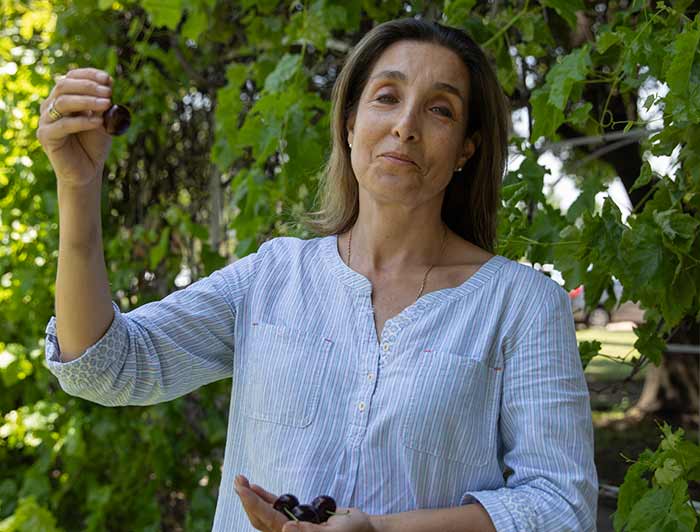
As a consultant and grower of cherries and stone fruit, I have a clear view of the scenario our industry must face. In the medium term, we will continue to depend heavily on the Chinese market. The volume of fruit exported from Chile makes it unrealistic to replace this destination with other markets that, although they may offer some opportunities, do not have the necessary capacity to absorb our production.
At the same time, China is going through a period of economic slowdown and changes in consumer habits. This situation requires the entire industry to adapt. Producing more is no longer enough: we must produce better, offering characteristics aligned with consumers’ new preferences and adopting a commercial strategy consistent with these needs.
In this scenario, communication between the commercial area, exporting companies, and growers must be constant and timely. Exporters are responsible for providing clear guidance on market requirements, allowing growers and consultants to direct their agronomic decisions toward the fruit that truly needs to be produced.
Anticipating change
It is necessary to anticipate changes, comply with agreements regarding quality standards and fruit condition, as well as optimize and rationalize the use of materials and services: a fundamental aspect in a sector characterized by increasingly narrow margins. Waiting for the industry to enter a crisis before reacting is no longer a viable alternative.
The season that has just ended provided an important lesson: fruit size was one of the factors that helped sustain the sector. In a context characterized by high supply and more selective markets, larger fruit generated significant commercial differences, making it possible to achieve higher returns.
This confirms that the technical decisions adopted in the orchard will continue to represent the main factor in preserving the industry’s competitiveness.
The future of the Chilean cherry industry will depend on our ability to integrate production, consulting, exports, and marketing around a single objective: responding to a market that changes every season, without forgetting that everything begins in the field.
We believe that a more competitive industry is built through the sharing of knowledge, the analysis of experiences, and the adoption of decisions based on high-quality information.
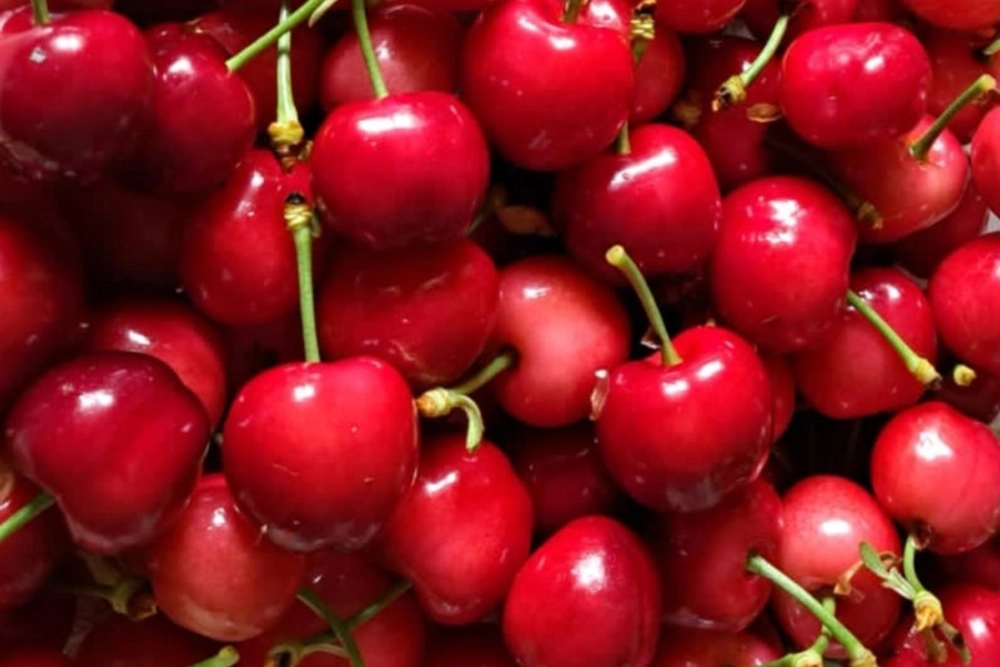
Image source: Stefano Lugli
Patricio Morales
Consultant and director of Agroasesoria
Cherry Times - All rights reserved